
A Masterclass in Deadheading Roses: How to Prolong the Perfect Bloom
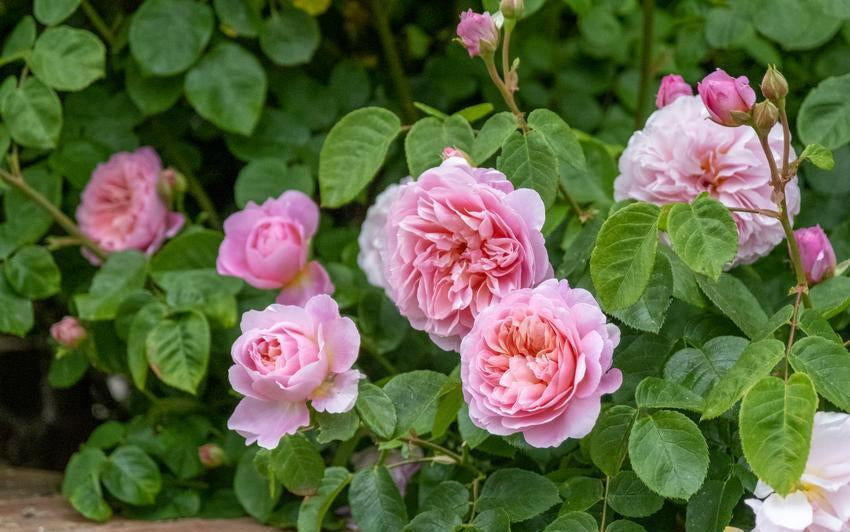
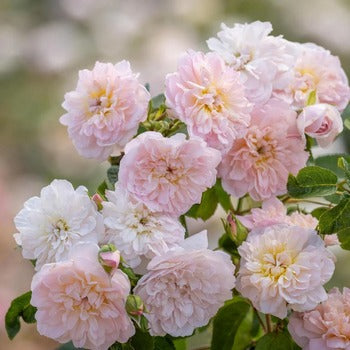
There is an undeniable allure to a rose bush at the peak of its summer display. Yet, as individual blossoms fade, they do more than just disrupt the visual harmony of your garden. Left untouched, a spent flower signals to the plant that its reproductive work is complete. The rose then shifts its energy away from flower production and into developing seed pods, known as rose hips.
To override this natural cycle and unlock a non-stop succession of vibrant, fragrant blooms from early summer until the first autumn frosts, you must master the art of deadheading.
By strategically removing faded flowers, you redirect vital energy back into root development and new bud formation. This simple ritual keeps your borders immaculate and ensures your roses perform at their absolute best all season long.
Not all roses follow the same rules. Knowing when to apply your secateurs - and when to hold back - is the key to a successful display.
- The Repeat-Bloomers: Repeat-flowering shrub roses, climbers, and standard tree roses require consistent deadheading. Regular intervention ensures they never stall, forcing a continuous cycle of fresh buds.
- The Summer-Only Shrub: Once-flowering varieties that do not produce decorative autumn fruit should be deadheaded immediately after their mid-summer flush. This instantly cleans up the shrub and helps maintain its architectural form.
- The Winter-Interest Varieties: Do not deadhead roses renowned for their autumn fruit after the second flush. If you clip these spent flowers, you lose the brilliant red, orange, and gold hips that punctuate the winter landscape and provide essential food for local wildlife.
A clean, precise cut prevents tissue damage and guards against dieback. Ensure you have the following premium tools on hand:
- Deadheading Snips or Secateurs: Lightweight, long-nosed snips designed for nimble work within crowded flower heads.
- Gauntlet Gloves: Heavy-duty leather or synthetic gloves to protect hands and forearms from thorns.
The Precision Two-Step Deadheading Method
Deadheading is a two-tier process. The first stage is a quick, aesthetic refresh to keep active clusters looking pristine. The second stage is a deeper structural cut that stimulates the next wave of growth.
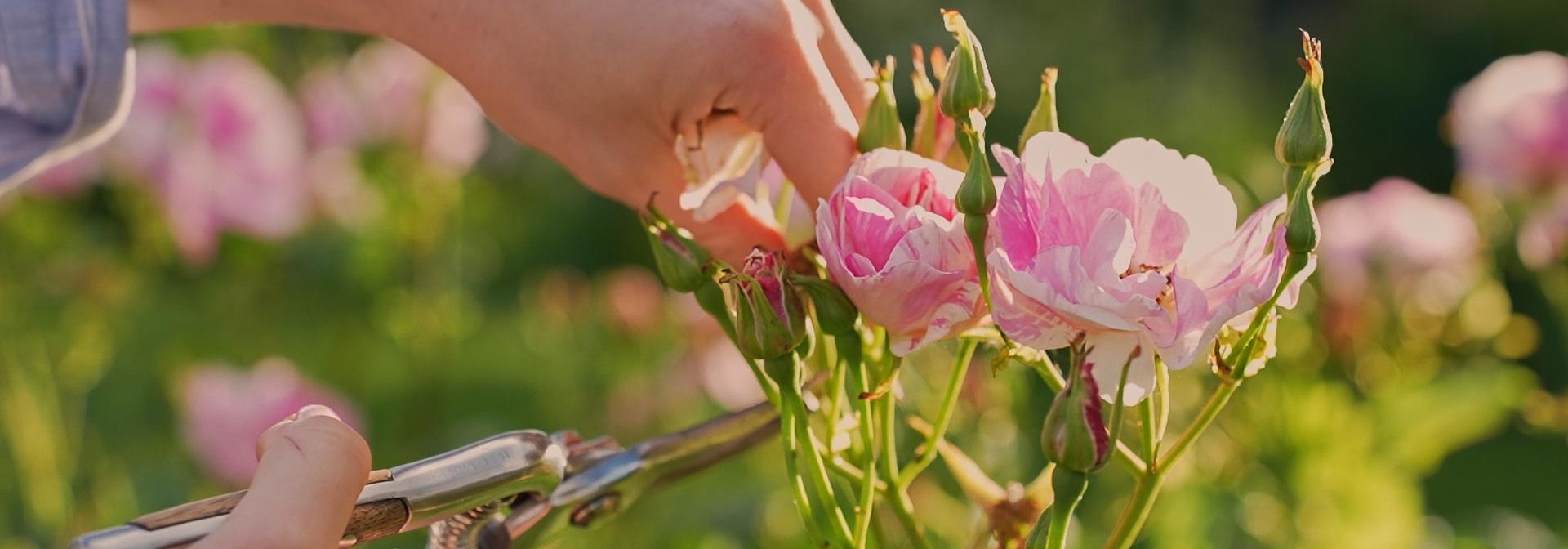
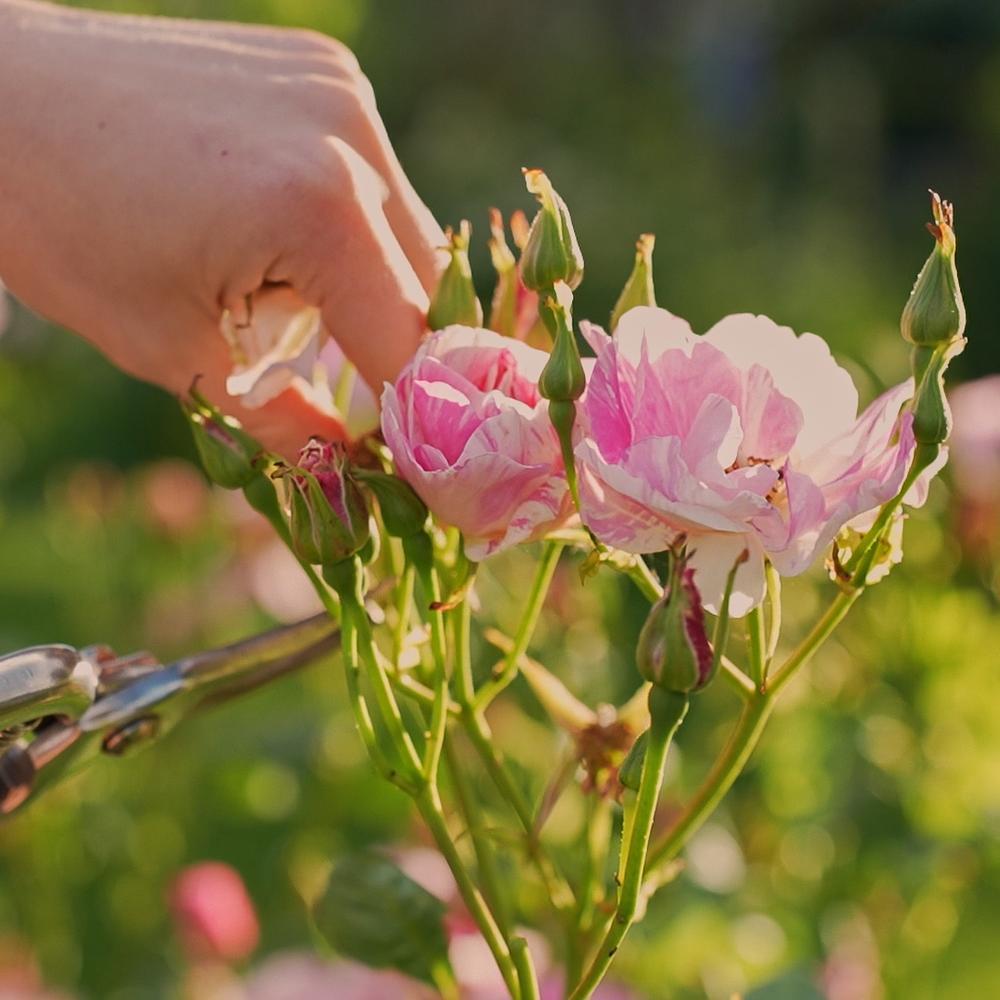
Step 1: The Quick Cluster Refresh
When roses flower in clusters, individual blooms mature at different rates. You must remove the faded flowers without compromising the emerging buds surrounding them.
- Isolate the browning, spent bloom from the healthy buds.
- Using your deadheading snips, make a clean cut just below the point where the base of the flower head connects to its individual stem.
- Leave all remaining buds undisturbed to open in their own time. Repeat this maintenance check across your borders weekly.
Step 2: Removing the Flowering Head and Reshaping
Once an entire cluster has finished flowering, it is time to remove the full head to trigger strong, fresh lateral growth.
- Trace the main flower stem down past the upper leaves (which often have only three leaflets) until you reach the first strong leaf featuring five leaflets.
- Using your secateurs, make a clean cut above this leaf node. Angle the cut slightly away from the bud to ensure rainwater runs off easily rather than pooling on the open stem.
- Take a step back to view the entire silhouette of the shrub. Prune any disproportionately tall, straggly stems back to the height of the main canopy, creating a beautifully balanced, rounded structure.


-
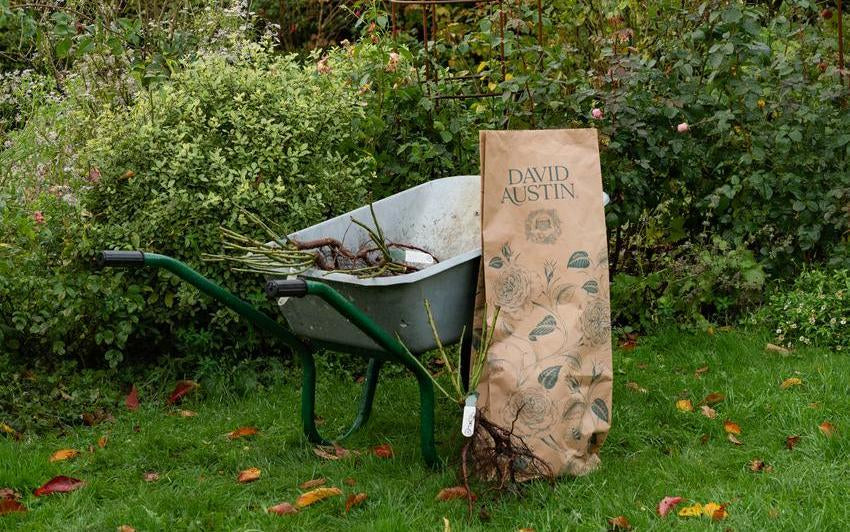
Bare Root or Potted? Why Our Roses Come Two WaysAcross the year, you'll find two different forms of David Austin® rose available. For much of the year, our potted roses are ready and waiting, cut back and dormant during the cooler months, in leaf and growth through the warmer ones. Then, once the growing season draws to a close, our bare root roses come into their own, dug fresh from the field and sent out while fully dormant, just as English roses have been grown and shared for generations.
-
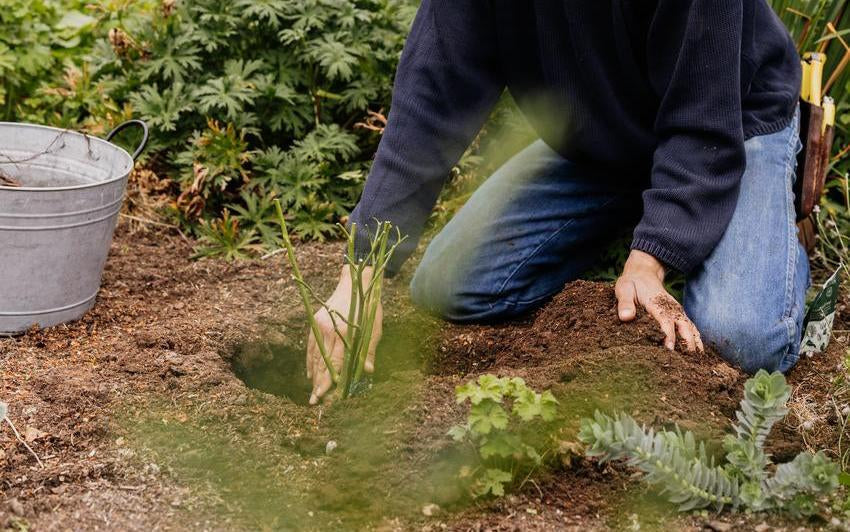
The Comfort of Autumn in the Rose GardenAutumn brings a particular kind of morning. You pull on a favourite jumper, step outside and feel the cooler air on your face, and somehow the day feels a little clearer. Leaves gather beneath your feet, the soil smells rich and damp, and the low sun turns everything a soft shade of gold.
-
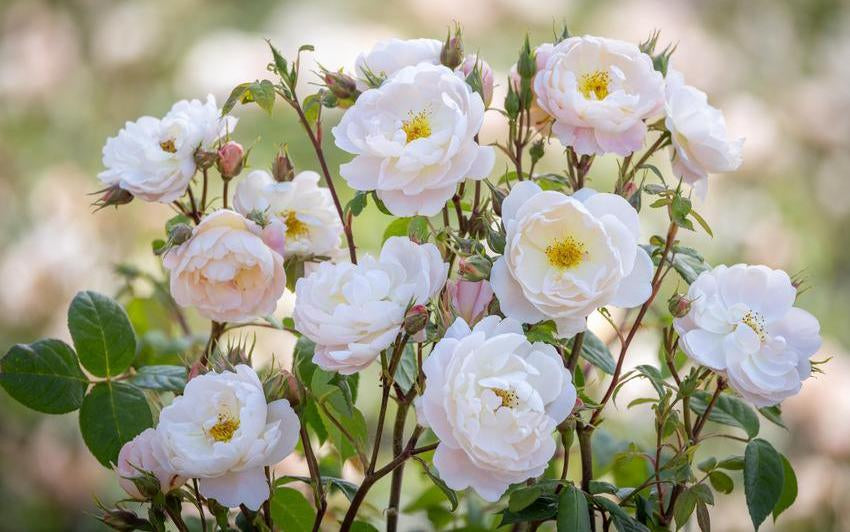
First Look: Sir David Beckham, A Rose with Family at its HeartSir David Beckham (Ausa34b16) is a rose shaped by natural beauty, quiet strength and a deeply personal story. Created to mark a milestone year and inspired by a touching request from Harper for her father’s 50th birthday, this remarkable new English Shrub Rose is rooted in something deeply meaningful, a living symbol of family, resilience and enduring love. Yet beyond the story behind its name, Sir David Beckham is, above all, a rose of great garden beauty and presence.
-
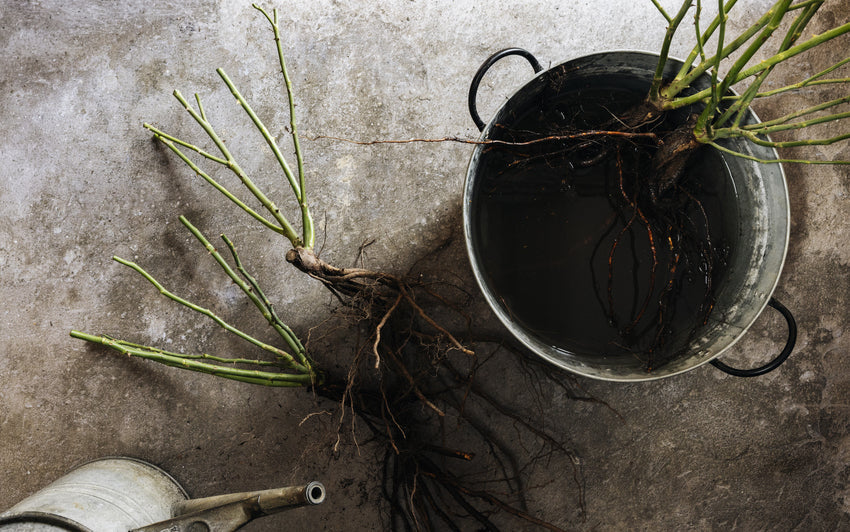
The Rose Year BeginsAutumn brings a distinct richness that invites us to slow down and notice the changes. Leaves turn shades of amber and gold, while the lower, softer light catches the borders in the late afternoon. As cooler mornings bring heavy dew and that unmistakable, earthy scent of damp soil, the garden gradually settles down for the season.
-
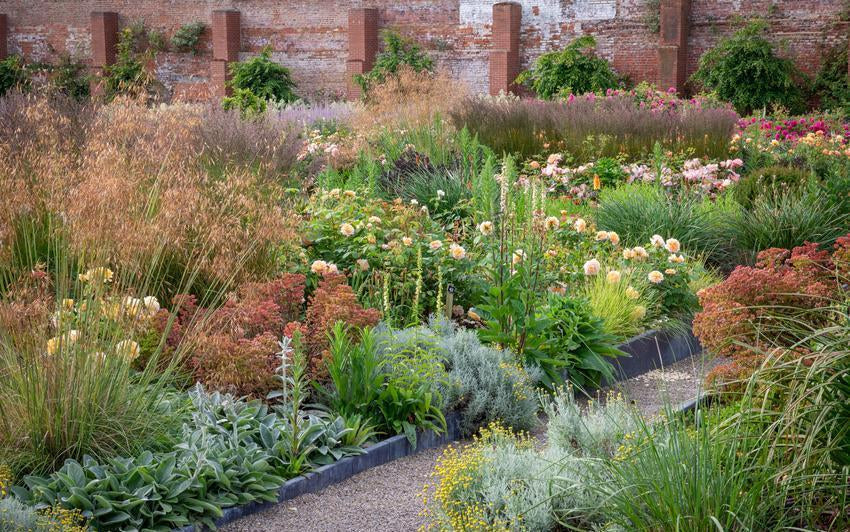
What to Plant with English Roses for Autumn ColourBy the end of September, the rose garden is changing. The exuberance of summer is fading, and the rhythm of the season is slowing. Many English Roses are setting hips now, their once-constant flowers giving way to clusters of glowing fruits. Yet the borders need not feel diminished. With the right companions, roses can be framed and supported so that the garden still sings with colour, texture and grace well into autumn.
-
Roses with Large Blooms: Varieties for Garden ImpactA rose in full flower can transform a garden. Large, many-petalled blooms draw the eye through a border, bring colour to a quiet corner or create a beautiful focal point when grown in a pot.