

How to Prune Repeat Flowering Shrub Roses
In winter, the garden shows its bones. Beds are quieter, borders are pared back, and shrubs stand in their true shape. Roses too reveal themselves at this time of year, and although it may seem as though little is happening, the plant is already preparing for the season to come.
Pruning is one of the simplest ways we can support that natural rhythm. It encourages strong new growth, helps the plant hold a pleasing shape, and ensures flowering is generous and well spread throughout the shrub. Most of all, it keeps a rose healthy and balanced, year after year.
If pruning feels daunting, take heart. Roses are remarkably resilient plants. You will not kill a rose by pruning it imperfectly. A cut made in the wrong place, or a shrub reduced a little more than intended, is rarely anything more than a short-term setback. With time, and with spring growth, the rose will recover quickly. Pruning is not about rigid rules. It is simply about helping your rose to thrive.
A shrub rose wants to grow freely and abundantly, producing strong stems and generous blooms. Pruning helps you guide this growth, so the plant remains shapely, manageable, and full of flower.
Done thoughtfully, pruning will:
- Help you control the overall size and shape
- Maximise flowering across the plant
- Stimulate healthy new growth
- Improve airflow, helping to reduce disease
- Prevent congestion, keeping the rose open and balanced
In many ways, pruning is about structure. It is the creation of a framework that can support the season’s flowers, without becoming crowded or unmanageable.
Essentials
- A pair of secateurs and holster
It is worth sterilising secateurs from time to time, particularly if you are removing diseased growth, as this helps prevent
spreading infection from one plant to another.g infection from one plant to another.
- Gloves
- Flexi-Tie Roll (or similar soft tying material)
Optional
- Kneeling pad or Knee Pads
- Pruning saw (for old, thick stems)
- A wheelbarrow or bucket (to gather old leaves and pruned stems)
- Steriliser for secateurs
The ideal time to prune repeat-flowering shrub roses is between January and February, when plants are at their most dormant. At this stage, growth has slowed, the plant is less likely to be shocked, and it is easier to see the shape you are working with.
If your rose has already started to shoot, pruning can still be done successfully. It is best to prune before the plant becomes fully leafed, but even a late prune is better than none at all. Do bear in mind that flowering may be slightly delayed.
A Word About Technique
There is no need to overthink the finer details of pruning. It is helpful to cut just above a bud, but it is not essential. If a cut is made a little higher, you may see slight dieback at the tip of the stem, which can simply be removed next winter.
Similarly, it is not necessary to cut at an angle. What matters most is that cuts are clean and that the overall plant is left with a balanced shape and good airflow through the centre.
Pruning is best approached calmly and confidently. Step back often, look at the outline, and aim for a strong, open framework.
Pruning by Age: How It Changes Over Time
One of the most useful things to understand about shrub roses is that pruning naturally evolves as the plant matures. A rose in its early years is still establishing its roots and building its long-term structure. Later, once the shrub is fully formed, pruning becomes more flexible and more about shaping.
Year One: The Newly Established Rose
We define year one as a rose that has completed its first season of flowering. At this stage, the roots are still developing, and the aim is simply to encourage strong basal growth without forcing the plant too hard.A light prune is all that is required:
 Step 1Reduce the shrub so the stems sit evenly, at around 12 to 18 inches (30 to 46cm).
 Step 2Remove any unhealthy stems (dead, dying, damaged, or diseased).
 Step 3Remove any remaining foliage.
 Step 4Clear fallen leaves and prunings from the ground and dispose of them


Year Two: Building Structure
In the second year, the rose begins to show more of its true habit above ground, while still strengthening below ground. Pruning now becomes a little firmer, helping to shape the developing shrub and improve flowering.
 Step 1Most roses respond well to being reduced to around half their size, though varieties described as large shrubs may be reduced by only a third.
 Step 2At this stage, it is also worth removing weak, spindly growth. A simple test is enough: if the tip of a stem bends easily, it is unlikely to support flowers well and can be removed. Thinning this growth improves airflow and prevents congestion as the rose matures.
 Step 3As always, remove unhealthy stems, remove remaining foliage, and clear the ground thoroughly.


Year Three and Beyond: Shaping and Balance
By the third year, a shrub rose is fully formed. Pruning becomes less about uniform reduction and more about shaping for beauty and performance.
Step back and look at the shrub in its setting. Decide what height and outline will best suit the position. You can then:
 Step 1Shorten any particularly long stems to bring the shrub into balance.
 Step 2Reduce overall height by removing between one third and one half.
 Step 3Remove weak stems that will not carry flowers well.
 Step 4Remove some older stems if the centre begins to feel congested.


Discover Our Video Guides
-
How to Prune a Newly Planted Shrub Rose
-
How to Prune an Established Shrub Rose
Shaping the Shrub
Shaping is where pruning becomes especially rewarding, because it helps the rose look as beautiful in structure as it does in bloom.
A shrub rose in a pot or in a central bed often looks best when shaped into a rounded dome, with lower stems at the outside and taller growth in the centre. Roses in borders may be shaped to suit the view, with shorter growth towards the front and taller stems towards the back.
The aim is always the same: gentle rise and fall, an attractive outline, and plenty of flower across the whole plant.
If you have roses planted in groups, shaping them as one larger shrub rather than individually often produces the most natural and generous effect.
The Season Ahead
Pruning is often described as a winter task, but it is better thought of as a winter gift. It is the moment you help the rose return to its best self, creating structure, inviting new growth, and clearing the way for a season of abundant bloom.
When spring arrives, the rose will answer in the only way it knows how: with fresh shoots, strong stems, and flowers that seem all the more generous for the care you gave when the garden was still quiet.


-
Once-Flowering Roses: A Guide to PruningOnce-flowering roses carry an air of tradition, a reminder of old gardens where their brief but magnificent display was the highlight of summer. They bloom on wood made the year before, so pruning them is a matter of patience and respect for their natural rhythm.
-
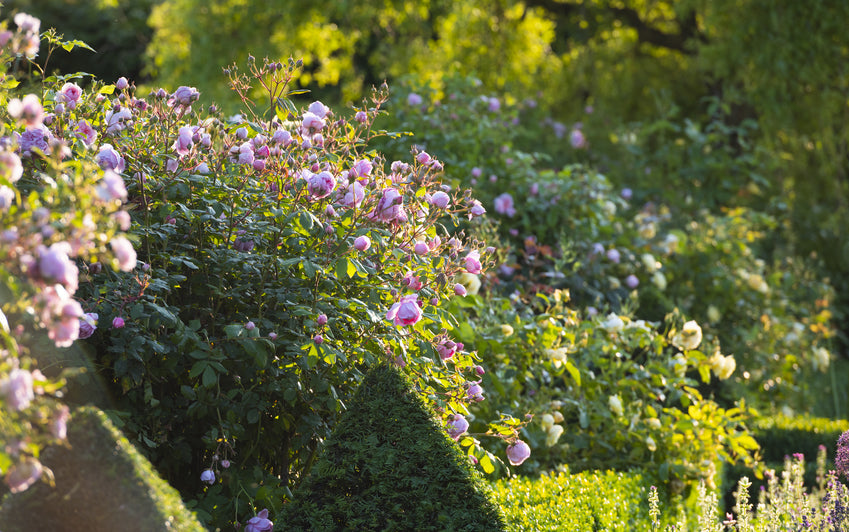
How to Prune Repeat Flowering Climbing and Rambling RosesClimbing and rambling roses are among the most rewarding roses to grow. Given a support and a little guidance, they quickly become generous plants, covering walls, arches and structures with leafy growth and repeat flowers across the season.
-
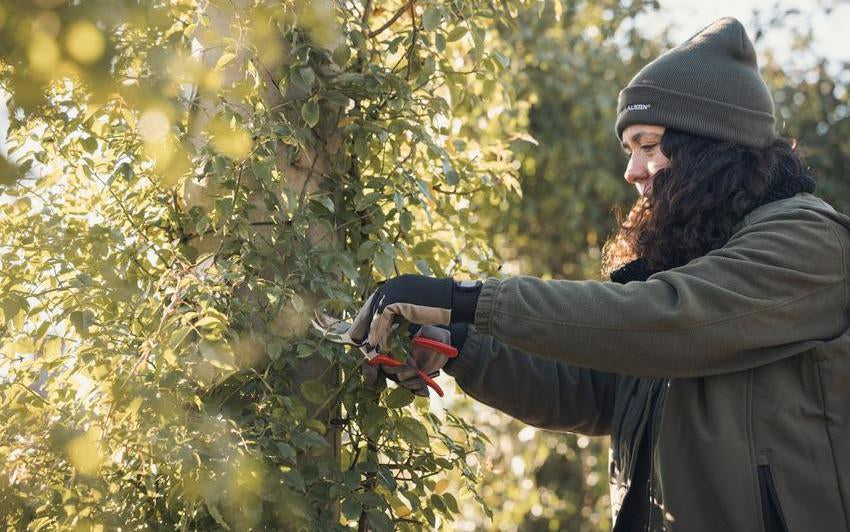
How to Prune a Standard Tree RoseStandard Tree Roses bring a particular elegance to the garden. Their blooms are held aloft, turning borders and containers into something more structured and refined. Because the flowering head sits high above the ground, its outline becomes part of the garden’s architecture, which makes pruning especially important.
-
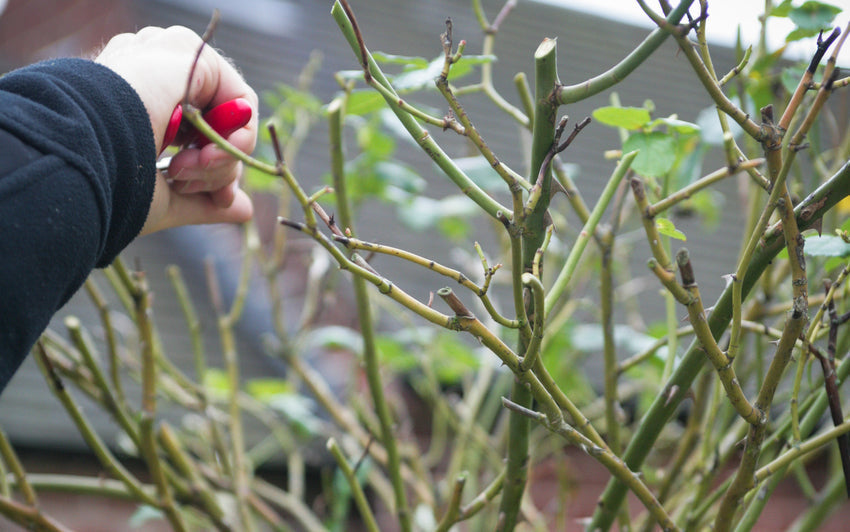
Pruning Roses In April? Here's What You Should Know FirstAs April arrives and your garden begins to stir, you might find yourself wondering, Is it too late to prune my roses? Maybe winter slipped by and you didn’t get to it, or perhaps you're simply not sure when the right time is. If you're looking for a bit of reassurance, you're not alone.
-
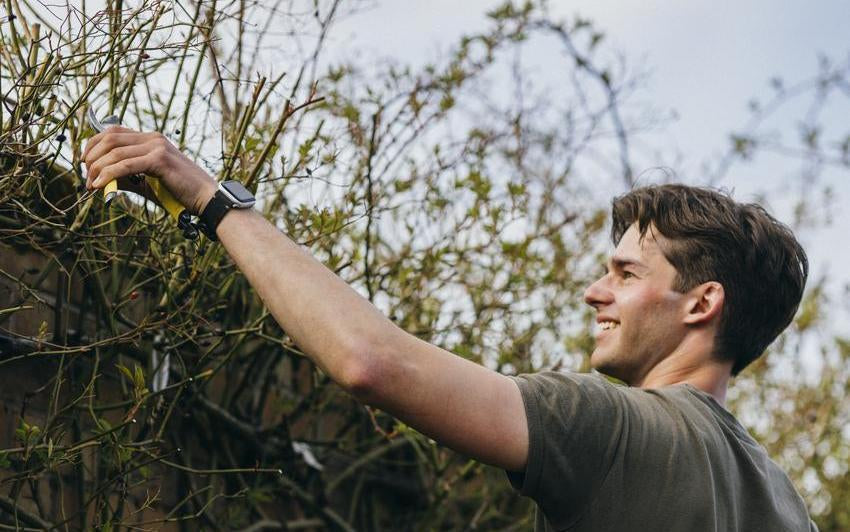
Planting Bare Root Roses: Step-by-Step for Garden and PotsBare root roses arrive simply, as stems and roots, quietly waiting for the garden to bring them to life. With care, they can transform into lush, flowering plants, filling a garden with colour, fragrance, and presence. Affordable, easy to handle, and a traditional favourite among gardeners, they offer both charm and reward.
-
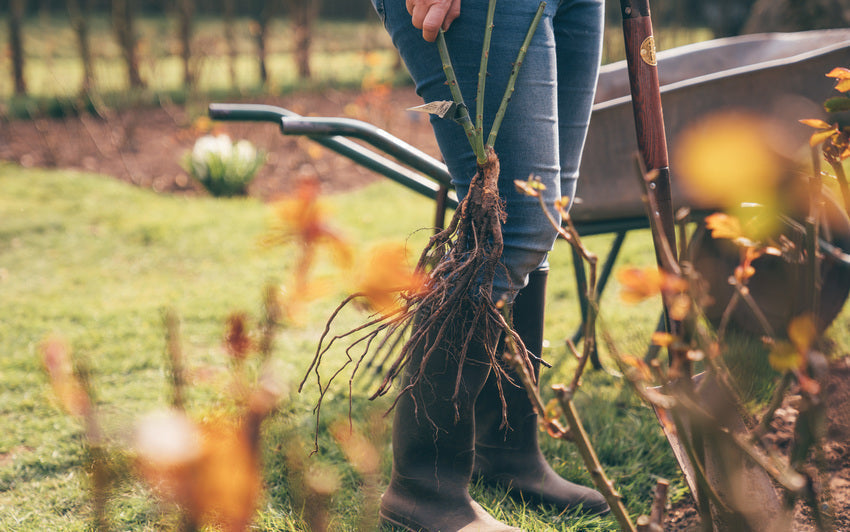
Planting Bare Root Shrub Roses in a Pot: Step-by-StepBare root shrub roses are a perfect choice for growing in containers, offering beautiful, bushy growth and abundant, fragrant blooms throughout the summer and into autumn. Planting them in a pot allows gardeners without a garden bed to enjoy the elegance of English Roses, while giving the plant the freedom to establish strong roots in a controlled environment. By following a few careful steps, your rose will settle naturally and flourish for years to come.
-
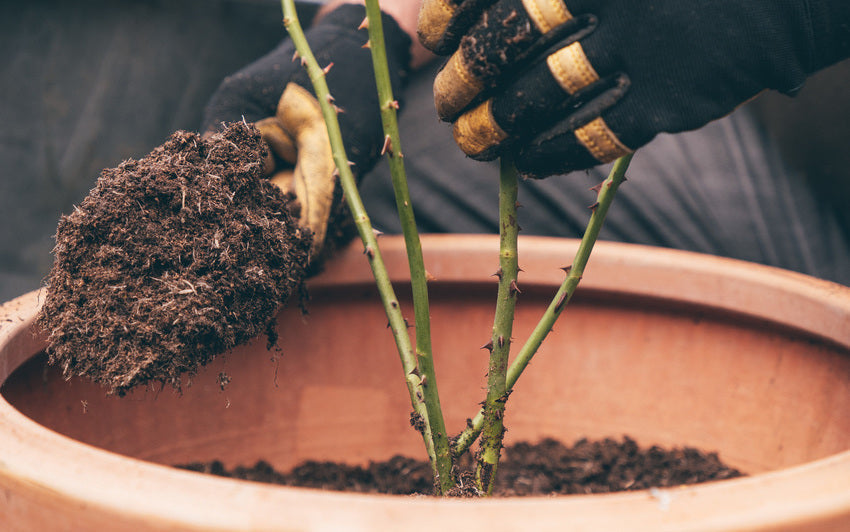
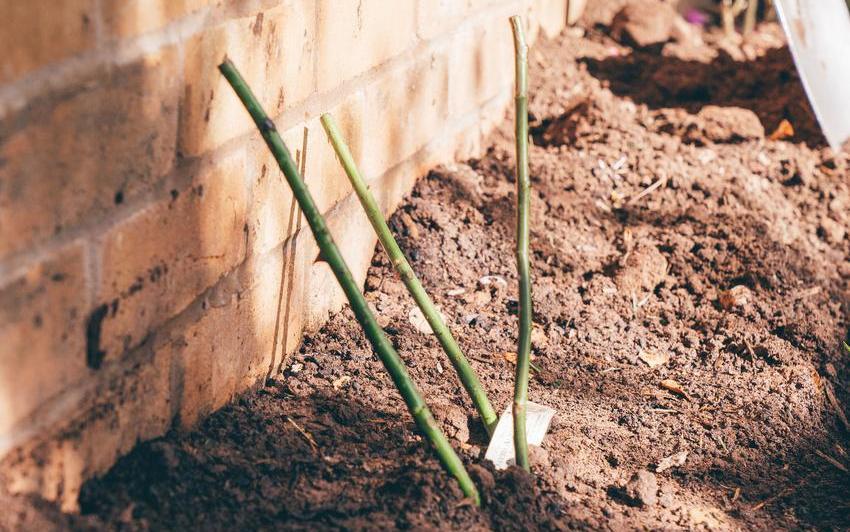
Planting Bare Root Climbing and Rambler Roses in the Ground: Step-by-StepBare root climbing and rambling roses bring both structure and romance to the garden, offering a traditional and sustainable way to cover walls, fences, and arches with abundant blooms. Planted between autumn and early spring, these roses establish naturally through the cooler months, ready to send out vigorous new shoots when warmth returns. With a little preparation and care, they will reward you for many years with graceful growth and exquisite fragrance.
-
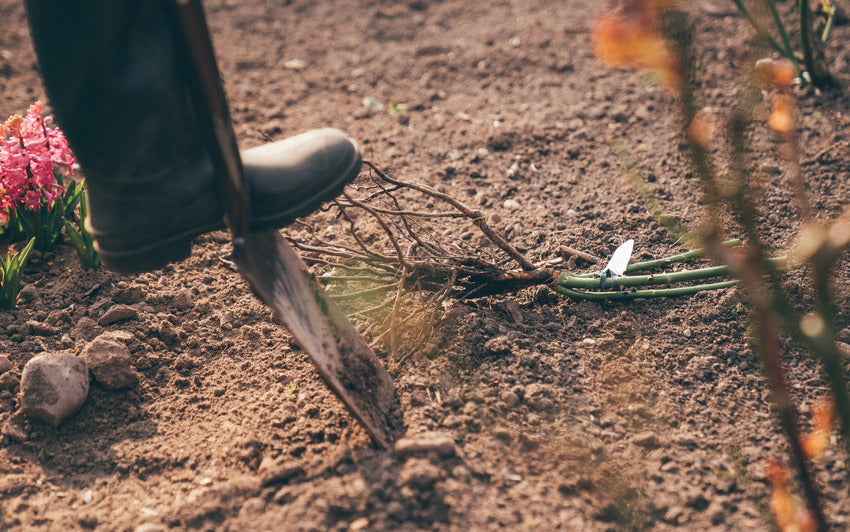
Planting Bare Root Shrub Roses in the Ground: Step-by-StepBare root shrub roses are a gardener’s delight, offering a traditional, sustainable, and rewarding way to add colour and fragrance to your garden. Delivered simply as stems and roots, they are designed to work in harmony with the seasons. Planted in autumn through to spring, they settle naturally into the soil over the colder months, ready to burst into life and reward you with blooms the following year. Easy to handle, they are a dependable choice for both new and experienced gardeners.
-
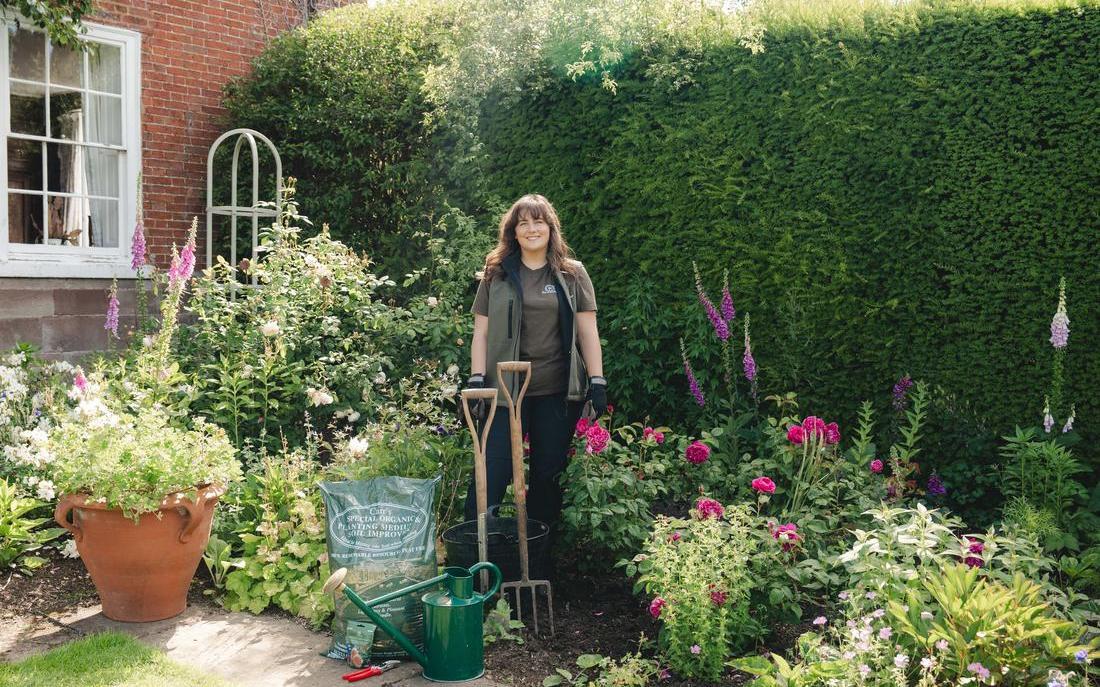
Moving a Rose: A Step-by-Step GuideRoses are wonderfully resilient, and sometimes a change of position is all that is needed to help one flourish. Perhaps a border is being redesigned, a rose would benefit from more sunshine, or a much-loved plant simply needs a little more room.
-
How to Plant and Grow a Rambling Rose Up a TreeRambling Roses have a natural affinity with trees. Their long, vigorous stems can be encouraged upwards into the branches, where they gradually weave through the canopy and open their flowers amongst the leaves. As the rose matures, the effect becomes increasingly natural, with great trusses of bloom appearing high above the ground and tumbling softly from the branches.