
Every Rose Begins as a Hip: Inside Our Breeding Glasshouses This Autumn
Every David Austin® rose you’ve ever grown started life exactly like this, as a single hip, gathered by hand on an autumn morning. Our Head of Breeding, Carl Bennett, takes us behind the glasshouse doors.


A Season of Subtle Change
Walk into our breeding glasshouses in October and the colour hits you first. Rows of plants are studded with hips in every shade, from apple green to amber to deep, glossy red. It’s one of the most important moments in our year, because inside each of those hips could be the next great English rose.
As the light softens and the leaves turn, our breeders walk the aisles, checking every hip by eye and by hand. Colour is the clue. Green means not yet; a warm blush means it’s nearly time. Each variety ripens in its own way, with its own shape, size and shade, and knowing exactly when to pick comes only with years of experience.
“You can’t really put it into a rule,” says Carl. “After a few seasons you just start to read the hips. There’s a point where the colour deepens and they feel slightly softer in your hand, and you know that’s the moment.”
“You can’t really put it into a rule,” says Carl. “After a few seasons you just start to read the hips. There’s a point where the colour deepens and they feel slightly softer in your hand, and you know that’s the moment.”

Gathering the Hips
Earlier this year, our breeders chose pairs of parent roses and pollinated them by hand, many thousands of times over. Each pairing was chosen for the qualities they hoped to combine, perhaps one rose’s fragrance with another’s health or flower form. Every hip on these plants is the result of one of those matches.
Between now and November, we gather them one by one, snipping each hip from the plant along with its label. Every cross is recorded on our computer system, so we know exactly which two parents each hip came from, and that record follows every seed through its entire journey, from the glasshouse to, perhaps one day, your garden.


Inside the Workroom
This is where the detective work begins. Each hip is opened and the seeds are extracted, cleaned, counted and sorted by cross. It’s painstaking, but it tells us a great deal: which pairings are setting plenty of seed, which are struggling, and which might be worth repeating next year.
“Opening a hip is a bit like opening a present,” Carl explains. “Some are packed with seed and some have hardly any, and that tells you a lot about how well a pairing has worked.”
Like siblings in a family, no two seeds are the same. Each one is a completely new rose that has never existed before.


Preparing for Winter
Rose seeds won’t germinate straight away; they need to believe they’ve been through a winter first. So each batch is tucked into a small net bag, nestled into trays of damp compost and placed into cold storage. This process, called stratification, mimics the natural chill of the season and wakes the seeds up ready to grow.


A New Generation Awaits
In January, hundreds of thousands of these seeds will be sown in our greenhouses, and within weeks the first seedlings will appear. Then the long journey begins. Over twelve years, they’ll be assessed and trialled, first under glass and then out in the fields, for health, fragrance, flower form and how they cope with whatever the weather brings. Season by season, the numbers fall, until from all those thousands of beginnings just one or two are chosen.
Somewhere in those trays might be a rose with a scent no one has smelled before, or a colour we’ve never quite managed to capture. We won’t know for years. But every rose in your garden, from the much-loved Gertrude Jekyll® to this year’s new Sir David Beckham began exactly here: as a hip, gathered by hand in autumn, full of promise.
“The seeds we’re sowing this winter won’t be in anyone’s garden for years,” says Carl. “But when a rose finally makes it all the way, and you see it growing by someone’s front door, that’s the best feeling in the world.”
Discover the full twelve-year journey in our breeding programme.
-
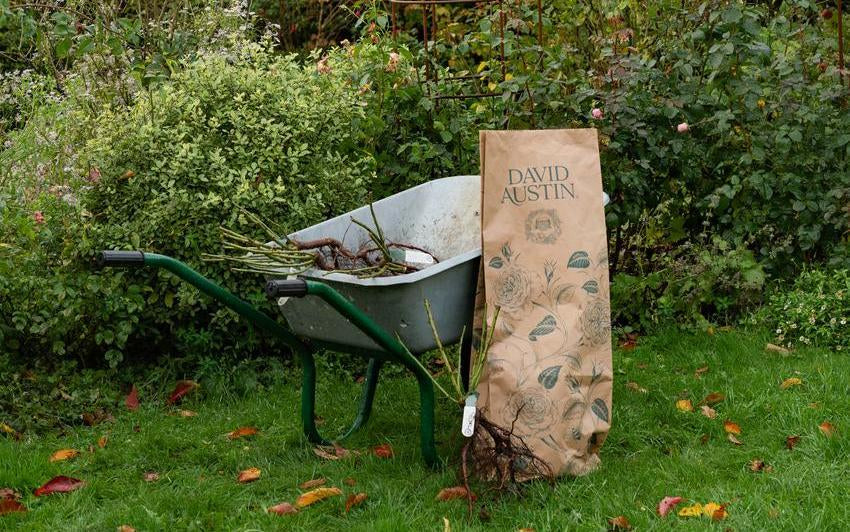
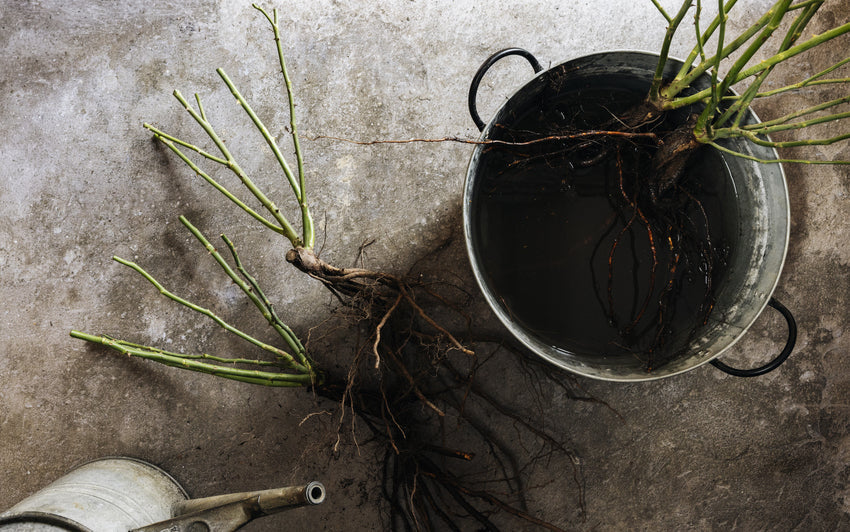
Bare Root or Potted? Why Our Roses Come Two WaysAcross the year, you'll find two different forms of David Austin® rose available. For much of the year, our potted roses are ready and waiting, cut back and dormant during the cooler months, in leaf and growth through the warmer ones. Then, once the growing season draws to a close, our bare root roses come into their own, dug fresh from the field and sent out while fully dormant, just as English roses have been grown and shared for generations.
-
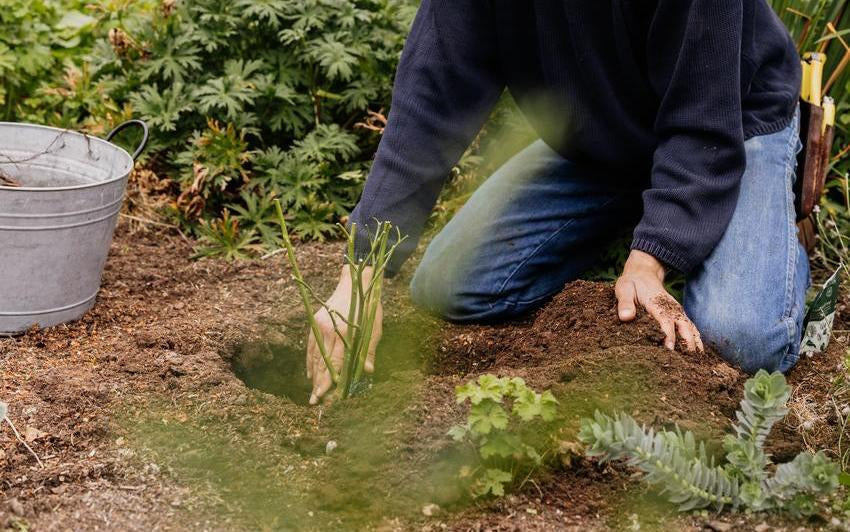
The Comfort of Autumn in the Rose GardenAutumn brings a particular kind of morning. You pull on a favourite jumper, step outside and feel the cooler air on your face, and somehow the day feels a little clearer. Leaves gather beneath your feet, the soil smells rich and damp, and the low sun turns everything a soft shade of gold.
-
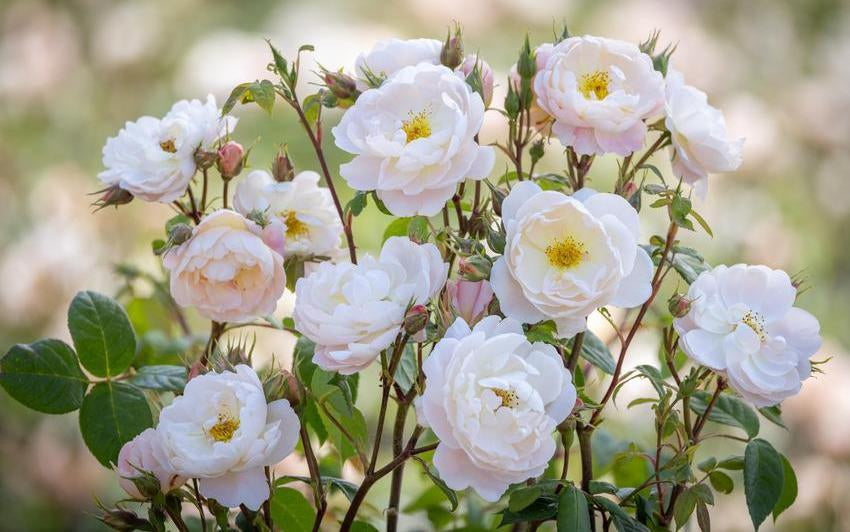
First Look: Sir David Beckham, A Rose with Family at its HeartSir David Beckham (Ausa34b16) is a rose shaped by natural beauty, quiet strength and a deeply personal story. Created to mark a milestone year and inspired by a touching request from Harper for her father’s 50th birthday, this remarkable new English Shrub Rose is rooted in something deeply meaningful, a living symbol of family, resilience and enduring love. Yet beyond the story behind its name, Sir David Beckham is, above all, a rose of great garden beauty and presence.
-
The Rose Year BeginsAutumn brings a distinct richness that invites us to slow down and notice the changes. Leaves turn shades of amber and gold, while the lower, softer light catches the borders in the late afternoon. As cooler mornings bring heavy dew and that unmistakable, earthy scent of damp soil, the garden gradually settles down for the season.
-
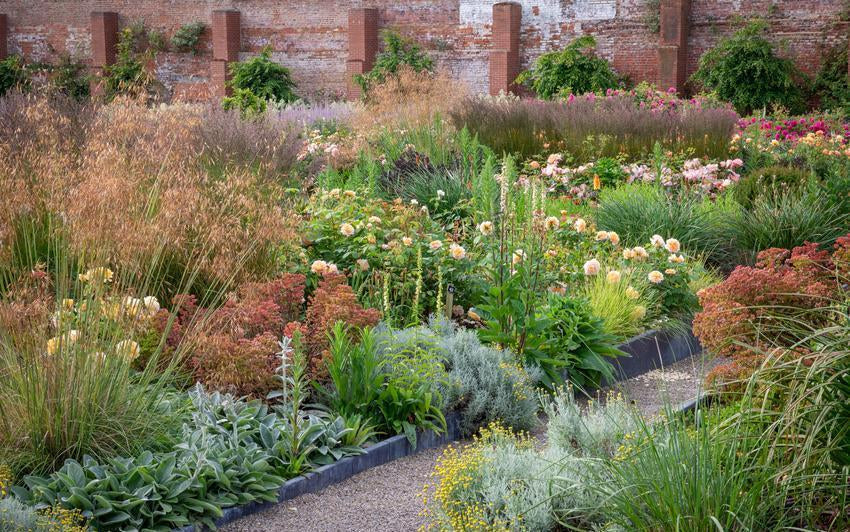
What to Plant with English Roses for Autumn ColourBy the end of September, the rose garden is changing. The exuberance of summer is fading, and the rhythm of the season is slowing. Many English Roses are setting hips now, their once-constant flowers giving way to clusters of glowing fruits. Yet the borders need not feel diminished. With the right companions, roses can be framed and supported so that the garden still sings with colour, texture and grace well into autumn.
-
Roses with Large Blooms: Varieties for Garden ImpactA rose in full flower can transform a garden. Large, many-petalled blooms draw the eye through a border, bring colour to a quiet corner or create a beautiful focal point when grown in a pot.