

Wind-Swept Charm: English Roses for Exposed Locations
Gardens high on hills, offer breathtaking views, but the combination of wind, cold winters, and shorter growing seasons can make growing roses a challenge. With careful selection and planting, even these exposed gardens can thrive with elegant, fragrant blooms.
Read more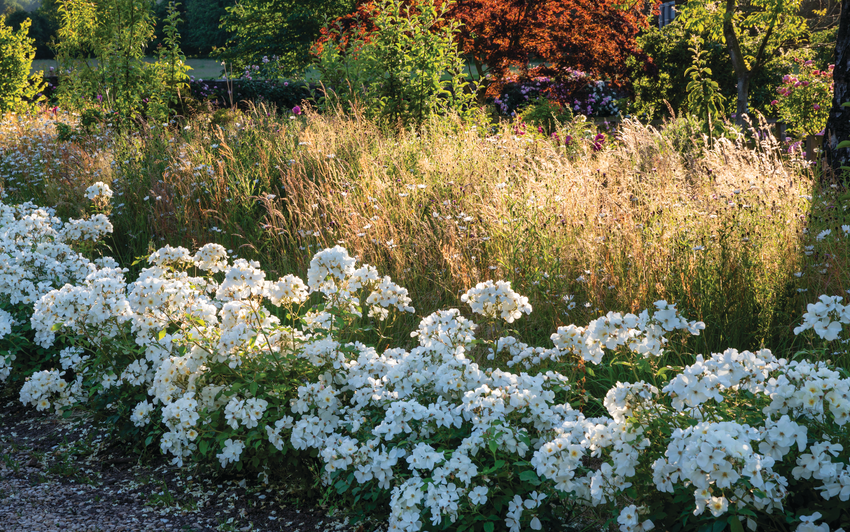
-
 Wind-Swept Charm: English Roses for Exposed LocationsGardens high on hills, offer breathtaking views, but the combination of wind, cold winters, and shorter growing seasons can make growing roses a challenge. With careful selection and planting, even these exposed gardens can thrive with elegant, fragrant blooms.Read more
 -
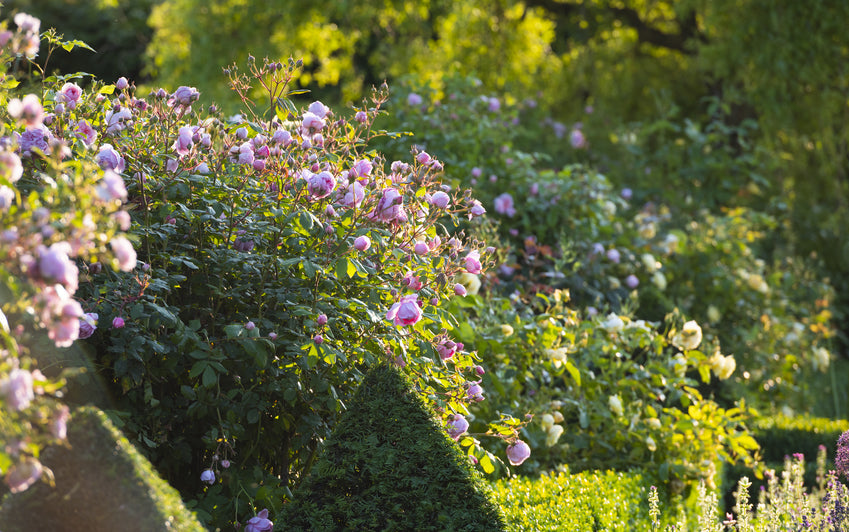 Once-Flowering Roses: A Guide to PruningOnce-flowering roses carry an air of tradition, a reminder of old gardens where their brief but magnificent display was the highlight of summer. They bloom on wood made the year before, so pruning them is a matter of patience and respect for their natural rhythm.Read more
 -
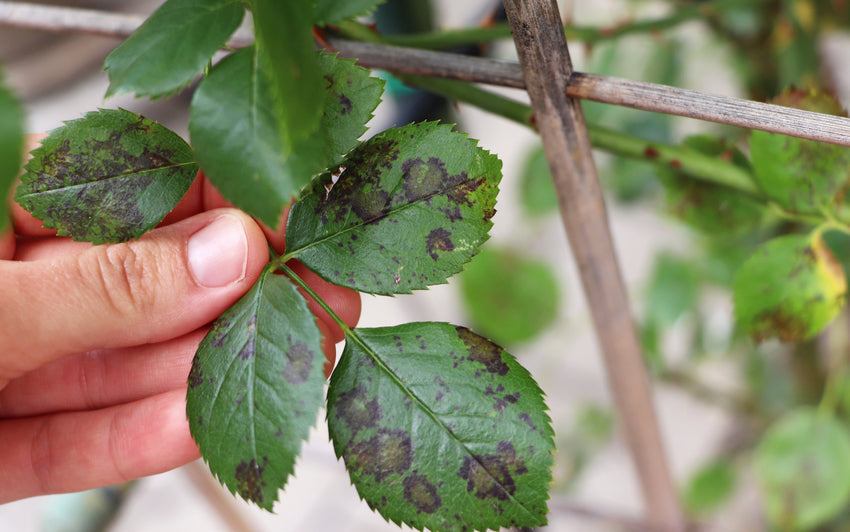 How to Tell Downy Mildew and Blackspot Apart on Your RosesRoses sometimes show signs of illness that can be easy to mistake for one another. Two common problems are downy mildew and blackspot. Both affect foliage and can weaken the plant, yet they present differently and thrive under distinct conditions. Recognising these differences allows gardeners to respond appropriately and preserve the health and beauty of their roses.Read more
 -
 What to Do with Rose Petals After DeadheadingDeadheading roses can feel a bit like clearing up after something quietly wonderful. One flower fades, its colours softening and edges curling, while another is just beginning to open, full of promise. Suddenly your hands are full of petals - soft, warm from the sun, and still carrying that unmistakable, subtle scent of the garden. It’s easy to let them drop back to the soil, returning to where they came from. But sometimes they feel too lovely to leave behind, as though they’ve still got more to offer.Read more
 -
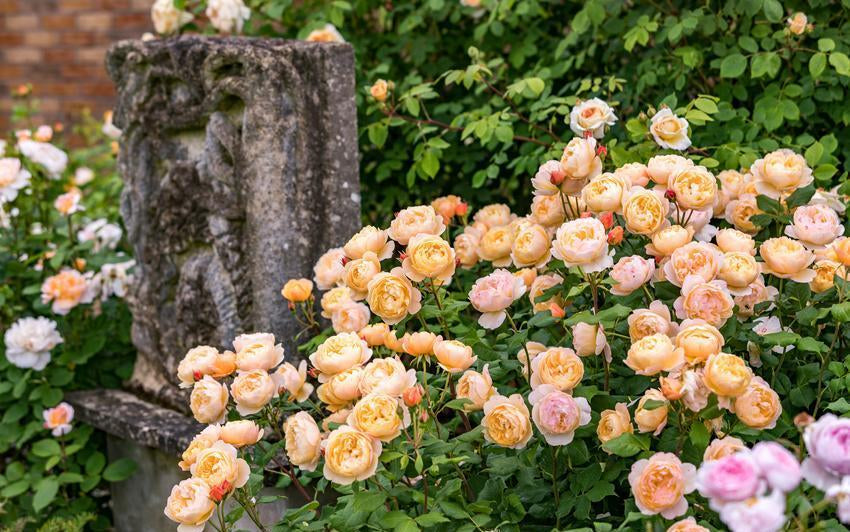 The Changing Colours of English RosesIt’s something that catches gardeners out time and again. A rose you’ve grown before, chosen for its particular shade, opens in a colour that seems unfamiliar. Maybe it’s paler. Maybe there’s a flush of pink where there wasn’t one before. Maybe the whole bloom looks like it belongs to another plant altogether.Read more
 -
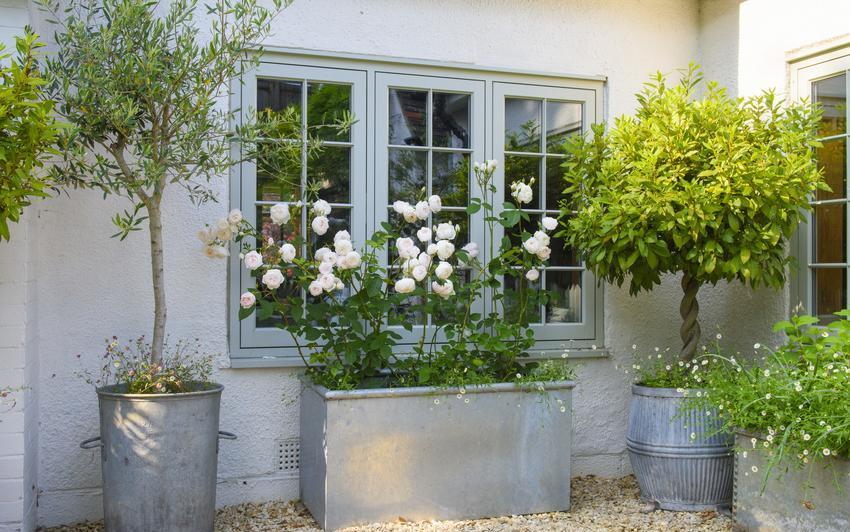 How to Care for Roses in Pots: Keep Them Happy, Healthy and FloweringGrowing a rose in a pot brings beauty right to the doorstep. Whether nestled against a garden bench, standing proudly on a sun-drenched terrace or softening the edge of a courtyard, container roses offer a graceful solution for smaller spaces. With the right care, they will flourish for many years to come.Read more
 -
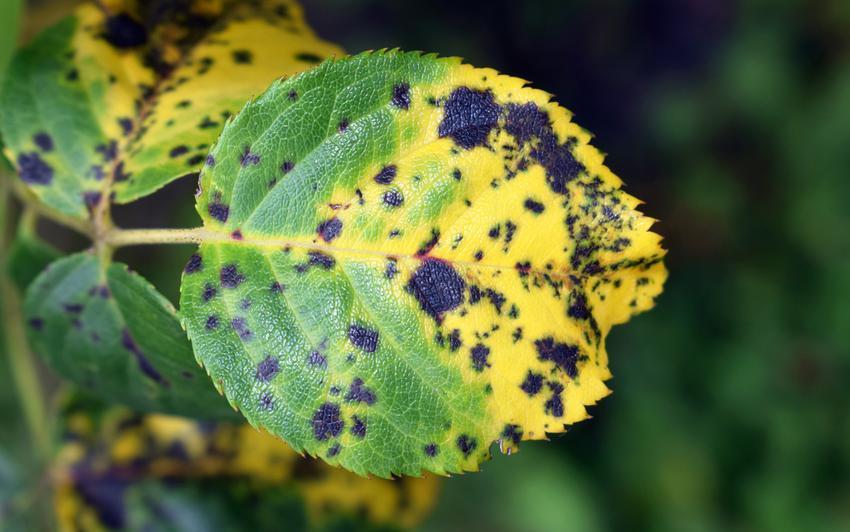 The Truth About Blackspot: A Guide to Keeping Your Roses HealthyIf you grow roses, you’ve likely heard about blackspot, that pesky fungal troublemaker that loves to spoil even the most beautiful bushes. It’s one of the most common problems gardeners face, and while it doesn’t kill your roses outright, it can really take the wind out of their sails if left unchecked.Read more
 -
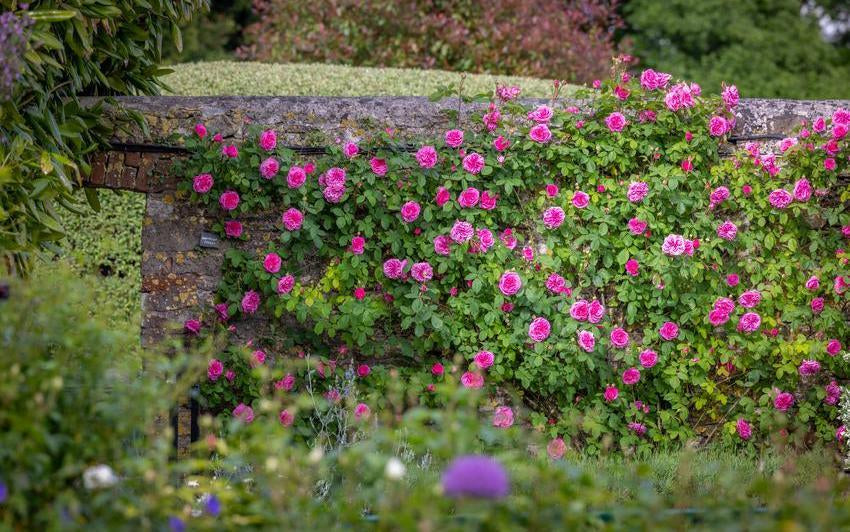 Gertrude Jekyll: Caring for the World’s Favourite RoseThis rose is not fussy. It grows well in many conditions but does best with at least four hours of sunlight a day. It tolerates some shade and suits almost any garden aspect - north, south, east, or west - so long as the soil allows roots to breathe and doesn’t stay soggy. To support healthy growth, mixing in some compost or well-rotted manure at planting helps enrich the soil and improve its texture.Read more
 -
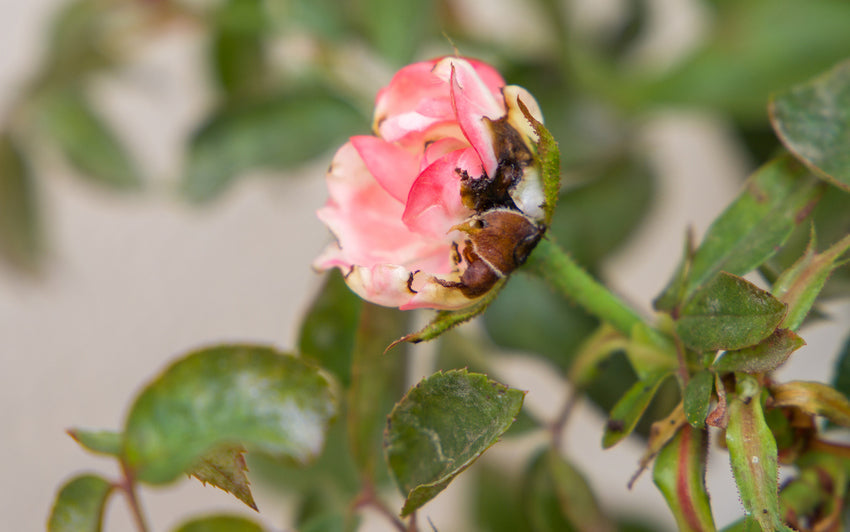 When Buds Refuse to Bloom: A Gardener's Encounter with ThripsIt begins quietly. You’re walking the garden in the early morning, coffee in hand, admiring the swell of buds after a warm spell. Everything looks as it should, until your eye catches one that seems reluctant to open. The petals are puckered, almost as if they’ve been pinched, and their edges are tinged with a strange brown. A day or two later, another bud does the same. Then a third.Read more
 -
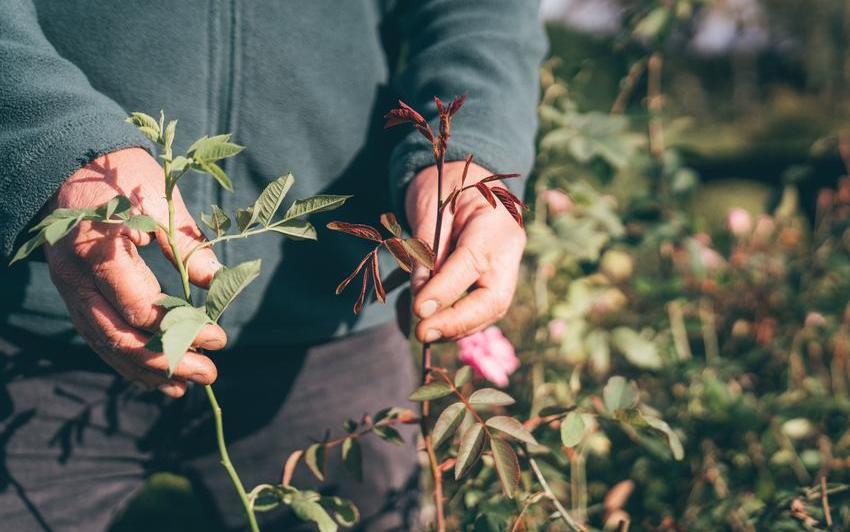 Understanding and Managing Rose SuckersSuckers are one of those quirks of rose growing that tend to invite a good deal of confusion. They appear out of nowhere, usually low down on the plant or even from the soil nearby, and it’s not always easy to know what to do about them. Are they a sign of strength or something to worry about?Read more
 -
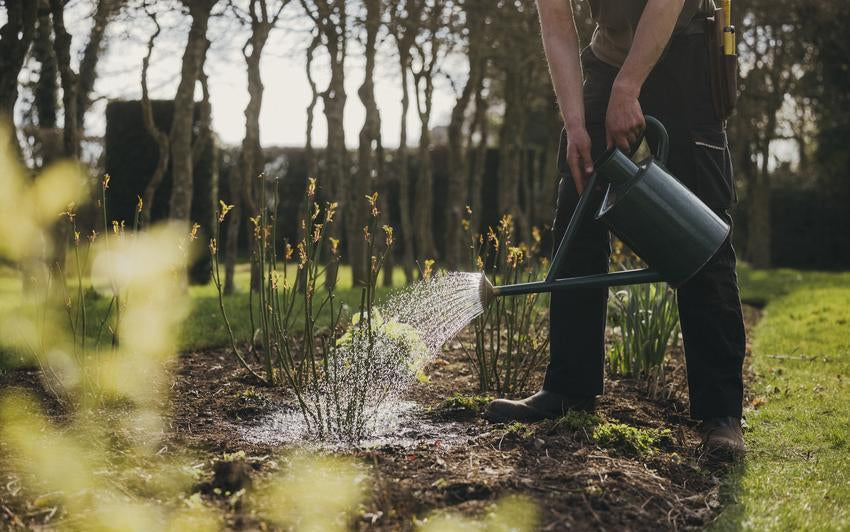 How To Water Bare Root Roses Planted Later In The SeasonWith the spring sunshine finally reaching the garden, now is the perfect time to check in on your newly planted bare root roses. They're just beginning to settle in, and the care you give them over the next few weeks will make all the difference to how well they grow and bloom this summer.Read more
 -
 How to Train and Tie-In Climbing RosesTraining a climbing or rambling rose is one of the most rewarding tasks in the garden. With a little early guidance, those long, searching stems can be encouraged exactly where you want them, turning walls, arches, fences, and pillars into living tapestries of bloom. Left entirely to themselves, roses will still grow, but thoughtful training brings balance, structure, and a far richer display of flowers.Read more
 -
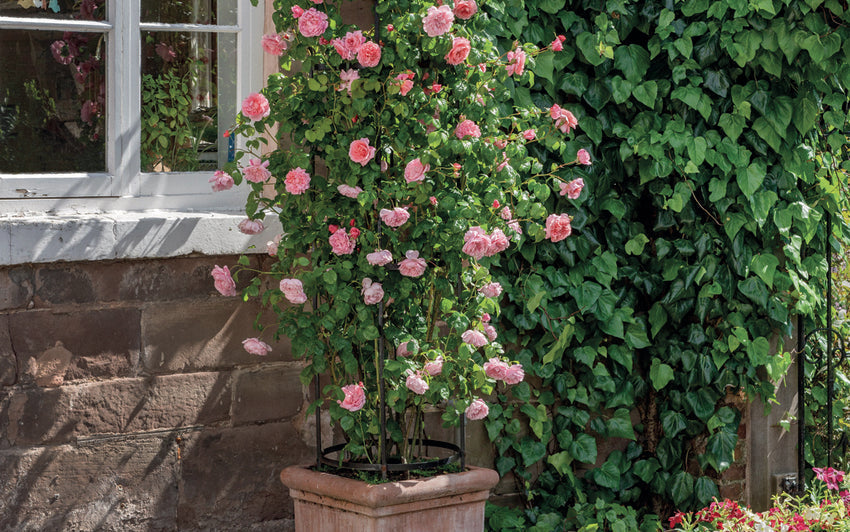 Growing Climbing and Rambling Roses in PotsPlanting a climbing or rambling rose in a pot is one of the most effective ways to introduce height, fragrance and structure to smaller gardens, courtyards and terraces. Whether used to frame a doorway, create a flowering screen along a wall or soften the lines of an obelisk, these roses offer a remarkable display when given the right conditions. Though the approach demands a little more upkeep than planting in open ground, the rewards are considerable: abundant blooms, repeat flowering, and a sense of movement and beauty that elevates even the most compact of spaces.Read more

