
From Schoolboy to Rose Breeder
Had he been with us today, 2026 would have marked David C.H. Austin’s 100th year, a fitting moment to reflect on a life that reshaped the world of roses. His journey began not in grand gardens or formal institutions, but in the quiet Shropshire countryside, where curiosity, patience, and vision first took root.
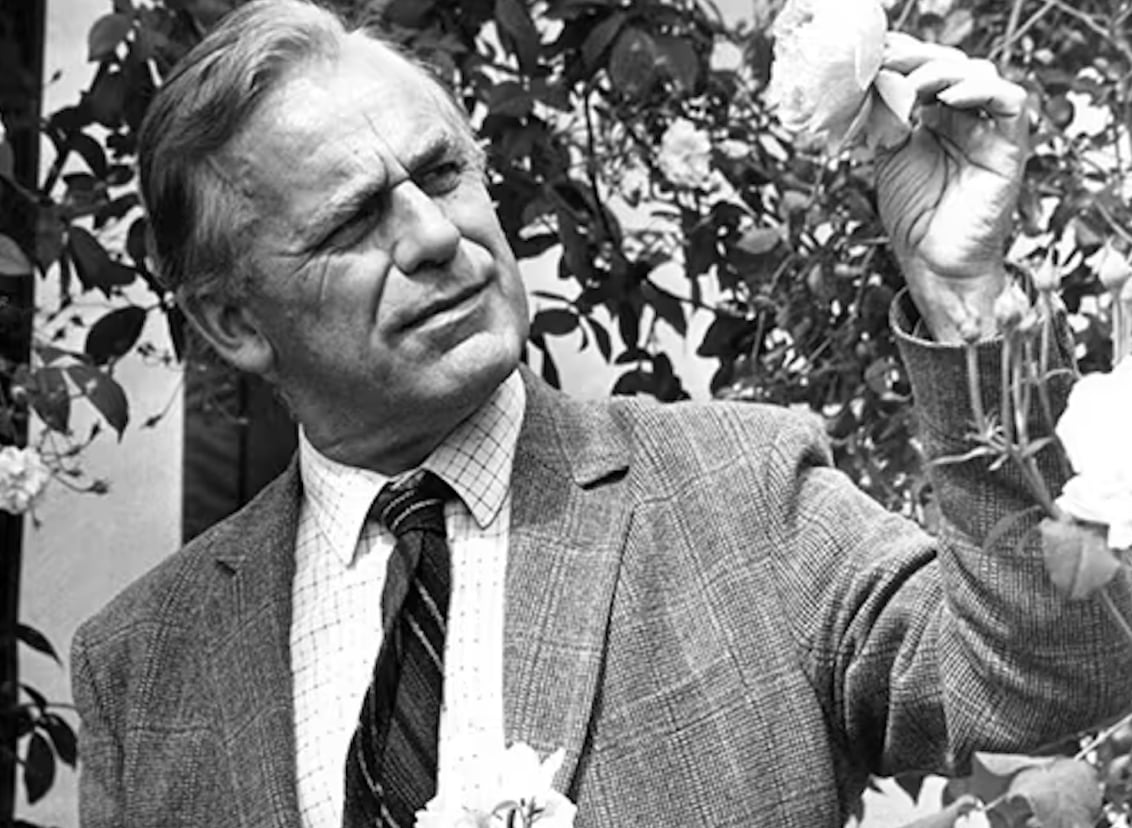
Growing up amid the fields and hedgerows of Shropshire, David C.H. Austin’s love of plants emerged early. Yet it was the discovery of a gardening magazine tucked away in his school library that truly awakened his fascination with flowers. Encouraged by a perceptive teacher, a lifelong passion quietly began.
Visits to a nearby nursery run by James Baker, a friend of his father, left a lasting impression. There, David observed new varieties of lupins being bred, an experience that planted the idea of creating new plants himself. Though his farming background gave him an instinctive understanding of cultivation, his father viewed ornamental flowers with scepticism.
Everything changed when his sister gifted him A. E. Bunyard’s Old Garden Roses for his 21st birthday. Within its pages, David found not simply plants, but beauty, history, and fragrance. Roses would become his life’s work.
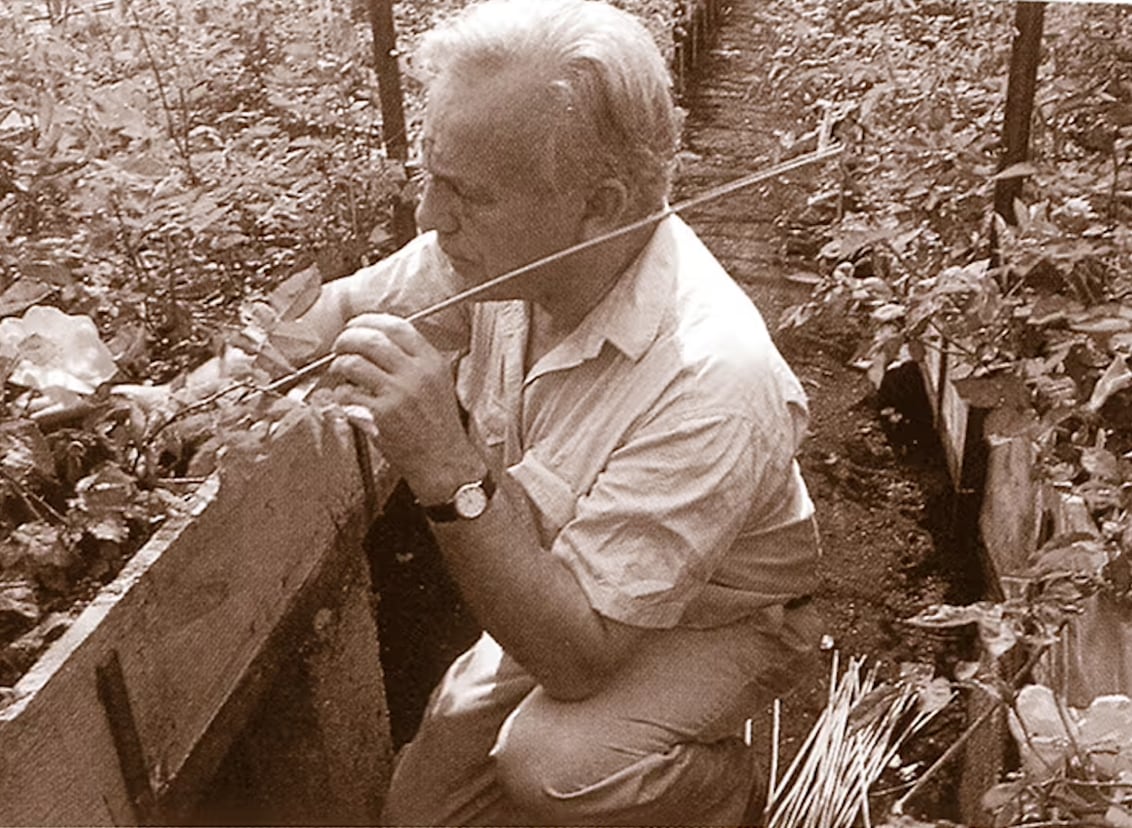
In his early twenties, David began growing roses as a hobby, ordering his first plants with youthful enthusiasm. His heart lay firmly with the Old Roses, cherished for their charm and perfume. Still, with Hybrid Teas dominating fashion, he planted modern varieties for comparison.
Though unmoved by their aesthetic, he recognised their virtues: a wider colour range and the capacity to repeat flower. In that contrast came clarity. Here was an opportunity to unite the grace and fragrance of Old Roses with the resilience and performance of modern breeding.
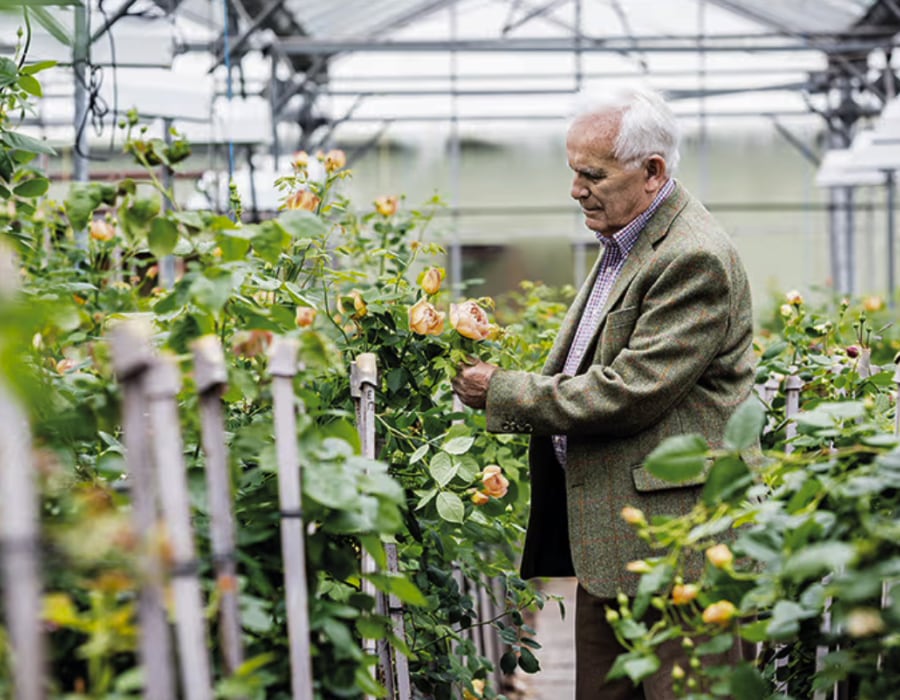
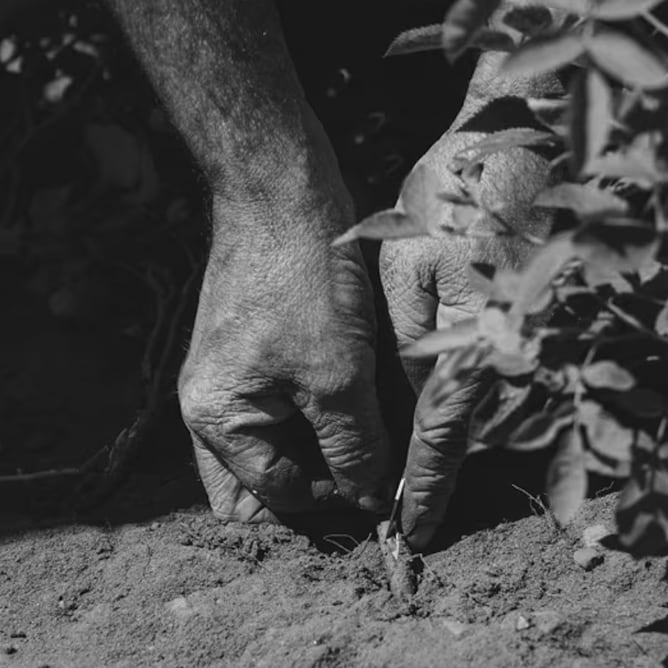
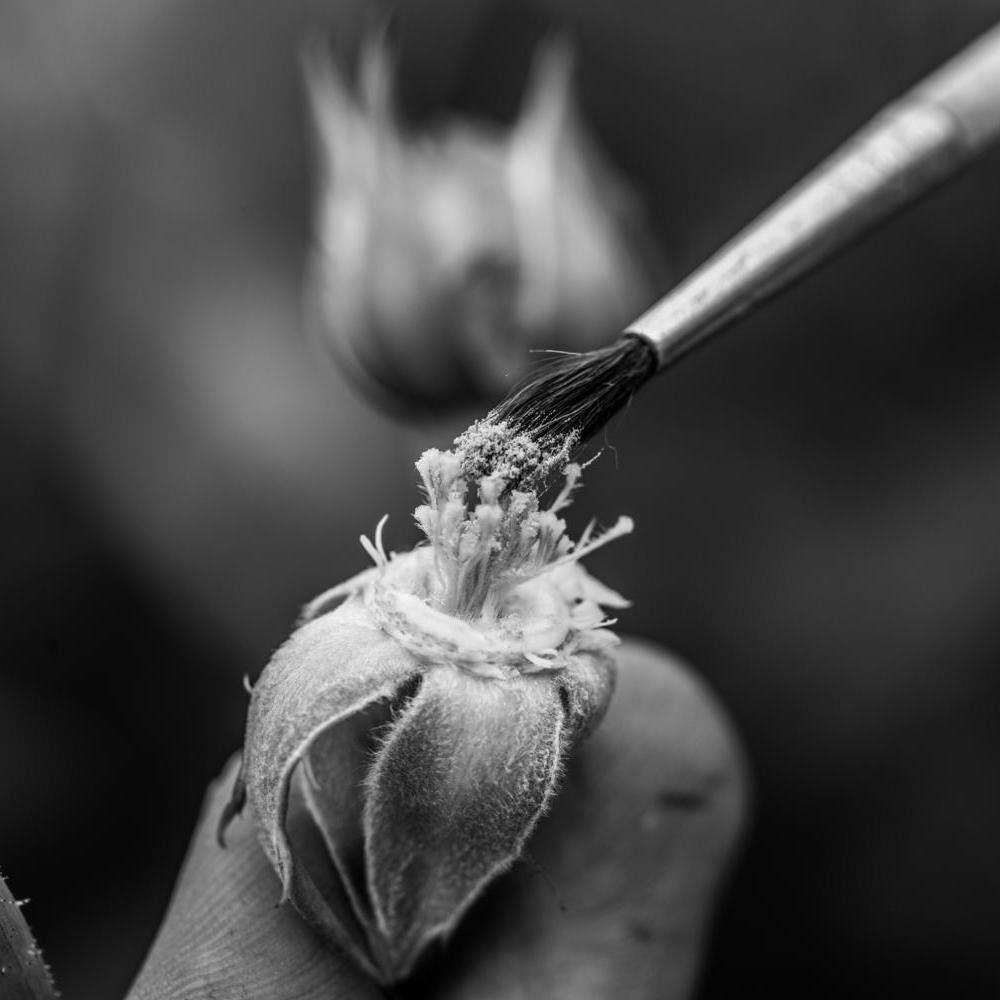
Determined, David embarked on the painstaking process of hybridisation. Early setbacks were inevitable. His first seedlings succumbed to fungal disease, requiring him to begin anew. Persistence prevailed.
In 1961 he introduced his first rose, Constance Spry (Ausfirst). Industry experts doubted the appeal of these “old-fashioned” blooms, and nurseries declined to stock them. Undeterred, David sold directly to gardeners, dispatching roses from his own kitchen table in Shropshire. Alongside his new introductions, he offered Old Roses, climbers, and ramblers.
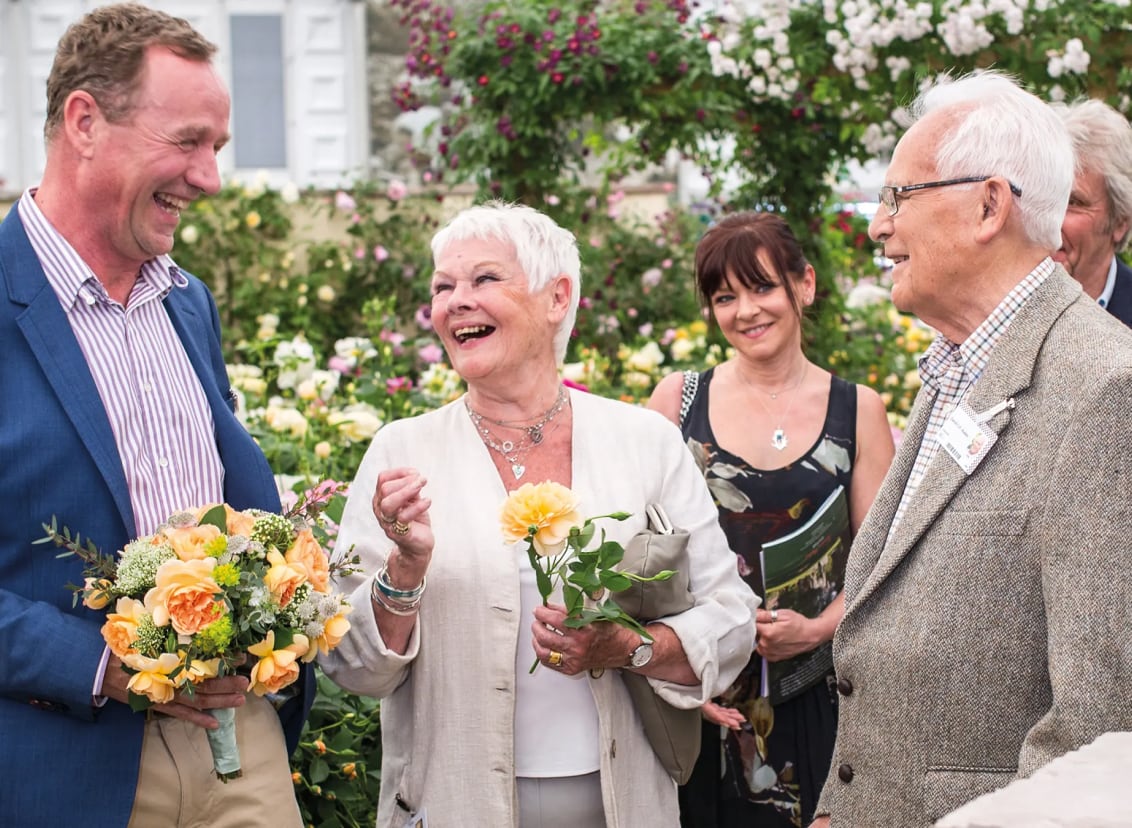
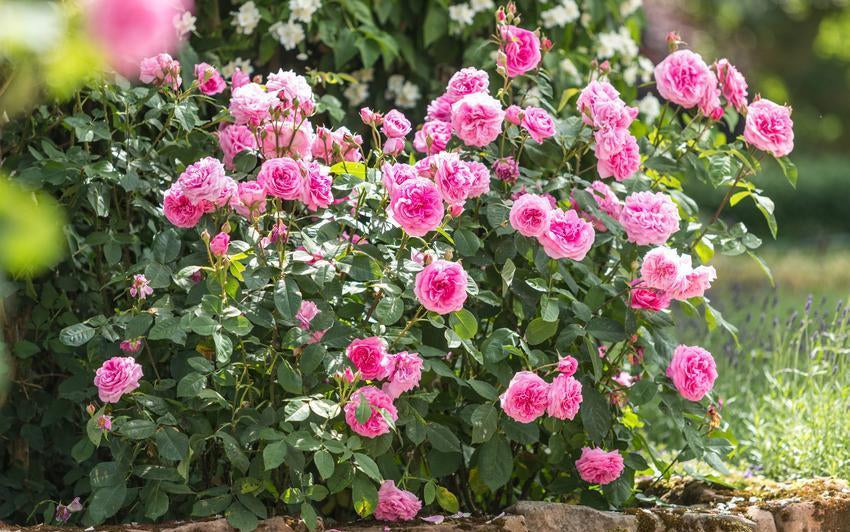
By 1969 David had refined his methods and unveiled the first repeat-flowering English Roses, a name he coined for varieties marrying old and new. The reasoning was simple and quietly patriotic. If France had Gallicas and Scotland its Scots Roses, England too deserved a distinctive group.
The early years demanded resilience. Competition was strong and resources modest. With the steadfast support of his wife Pat, and buoyed by the uniqueness of his roses, popularity steadily grew. A renaissance of Old Rose character began.
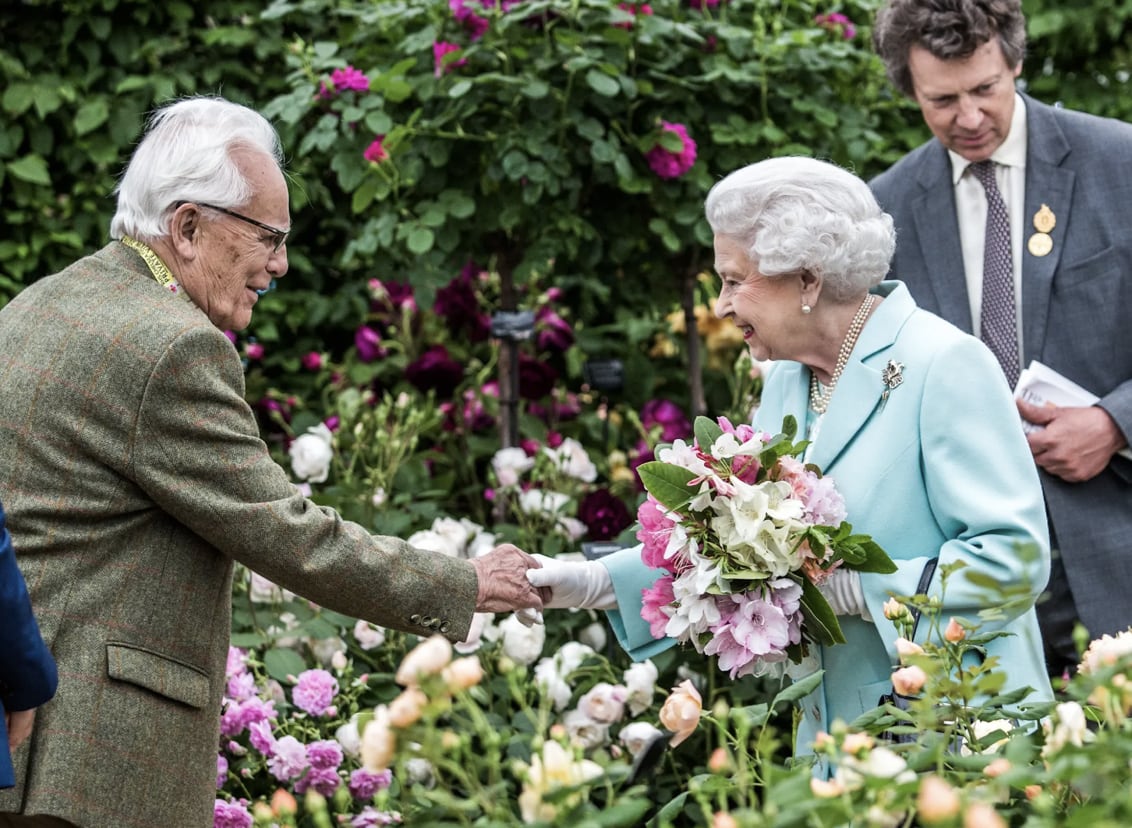
A defining breakthrough came in 1983 at the Chelsea Flower Show, where David presented three English Roses, including Rosa Graham Thomas® (Ausmas), named for his friend and mentor. The response was extraordinary. Press and public alike celebrated its luminous colour and exceptional vigour.
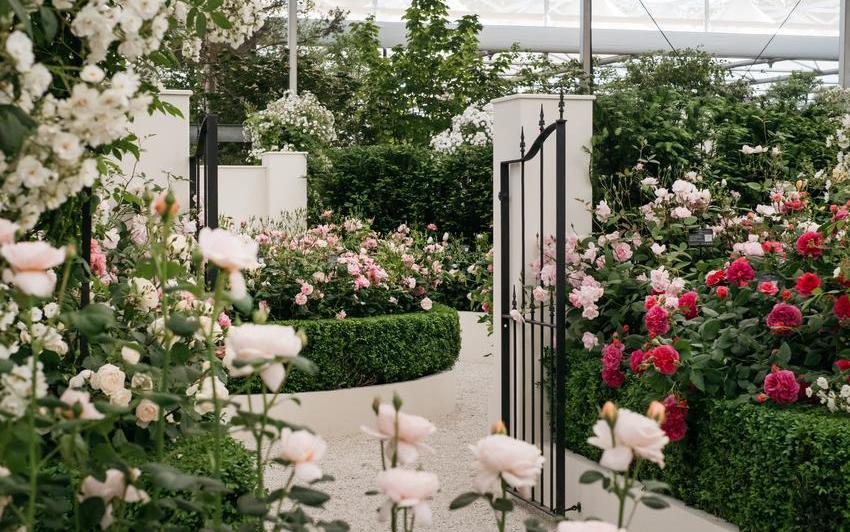
Gold medals followed. The David Austin rose garden became a highlight for visitors, a distinction it retains today.
With success came growth. Ageing barns gave way to modern packing sheds. Dilapidated greenhouses were replaced by larger, though still second-hand, structures. The rose garden expanded into what is now regarded among the world’s most beautiful.
Leading the Industry with Award-Winning Roses
David’s pursuit of ever greater beauty brought widespread recognition. Among numerous honours, he received an OBE in 2007 for services to horticulture. Reflecting characteristically, he remarked:
“Every day, I marvel at my good fortune to have been able to make a life out of breeding roses. My greatest satisfaction is to see the pleasure my roses give to gardeners and rose lovers around the world."
David C. H. Austin OBE

Behind the Roses
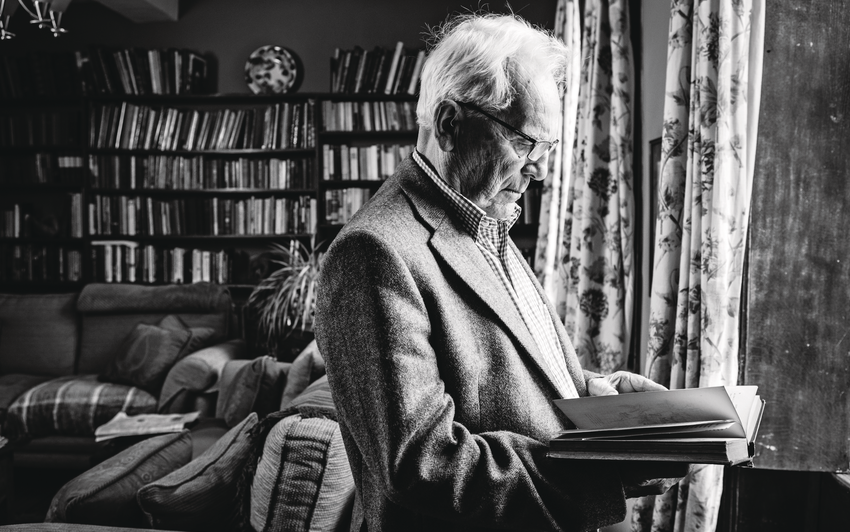
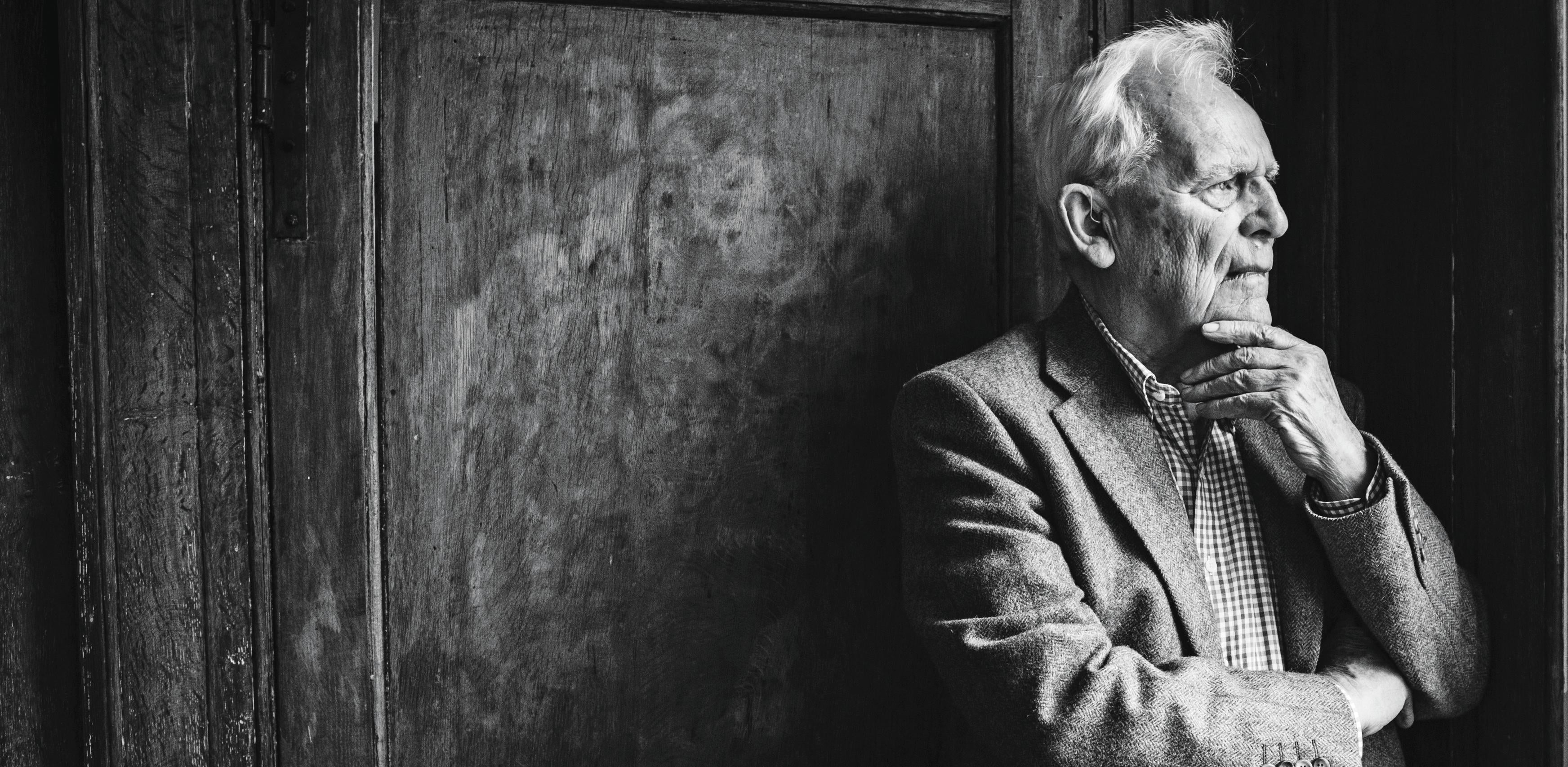
Beyond roses, David cherished literature and poetry. His sitting room, lined with bookcases, reflected a mind nourished by words as much as by flowers.
His first book, The Heritage of the Rose (1988), was followed by The English Roses (1993), which became the definitive work on his creation. In 2014 he published a collection of his own poetry, The Breathing Earth, inspired by nature and a lifetime of observation.
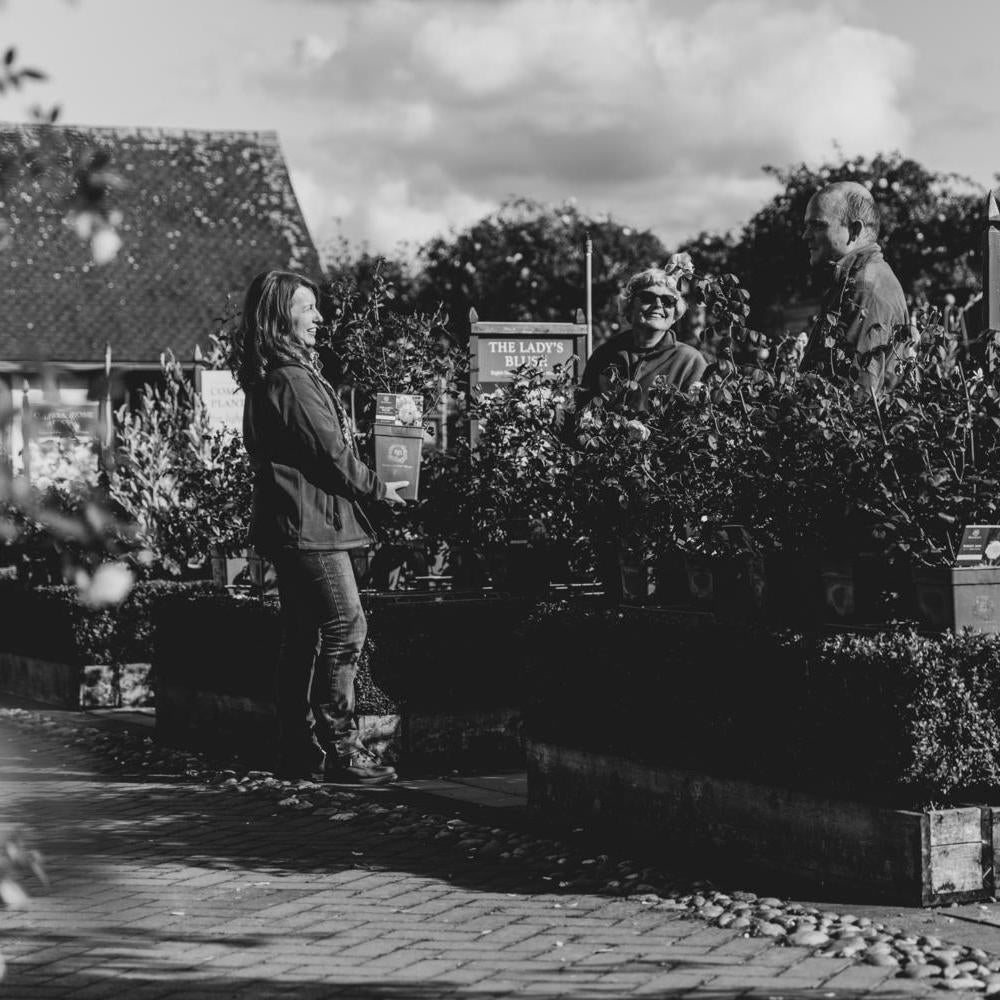
Though widely regarded as the father of the English Rose, David remained deeply rooted in family life. He continued to live on the Shropshire farm as the business grew. In 1990 he was joined by his son, David J. C. Austin, and together they guided the nursery’s evolution into an international enterprise spanning Europe, Japan, and the USA, while also establishing a flourishing cut rose business.
Following Following David C.H. Austin's death in 2018, his legacy passed into the hands of his family. Today, the third generation has joined the company. David J. C. Austin’s children, Richard, James, and Olivia, now serve as directors, ensuring that the family’s vision, values, and enduring passion for roses continue to shape the future of David Austin® Roses.