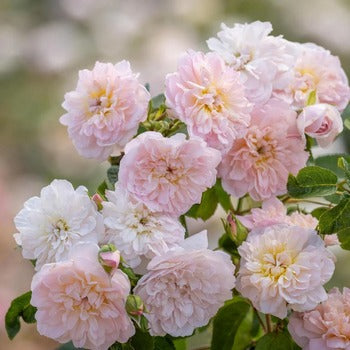


Finding the Right Rose for Your Garden: Choosing Roses for Fragrance
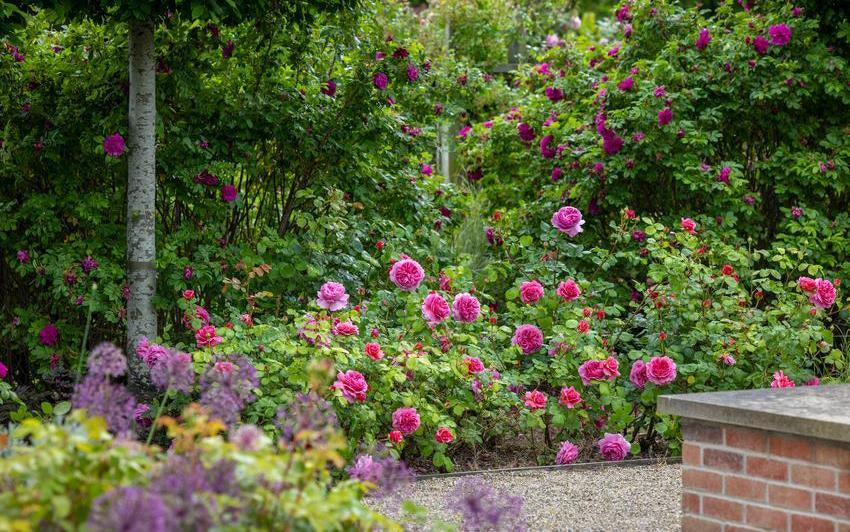
Fragrance is one of the most memorable qualities a rose can offer. A single bloom can perfume a whole corner of the garden, while a path edged with scented roses can transform an ordinary walk into something quietly special. Yet not every rose smells the same, and understanding the different types of fragrance can help you choose varieties that bring the experience you are hoping for.
In the previous guide in our Finding the Right Rose for Your Garden series, we explored how flower shape and size influence the character of a rose. Once you have considered the look of the bloom, fragrance becomes another
Why Fragrance Matters in Choosing a Rose
Scent is deeply personal. Some gardeners seek the rich, traditional perfume often associated with classic roses, while others prefer a lighter fragrance that drifts gently through the air. Many modern roses are bred to balance beauty, health and fragrance, but the intensity of scent can vary from variety to variety.
Understanding how fragrance differs between roses can help you decide whether scent is a defining feature in your planting scheme or simply an added pleasure among many.
For example, you might choose strongly scented roses close to seating areas, doorways or along paths where their perfume can be enjoyed up close. In larger borders, lightly scented varieties can still add a delicate atmosphere without overwhelming the space.
The Main Fragrance Families in Roses
In our handbook, each rose is described not only by the strength of its scent but also by its fragrance family. These families help describe the character of the perfume you may experience.
Old Rose Fragrance
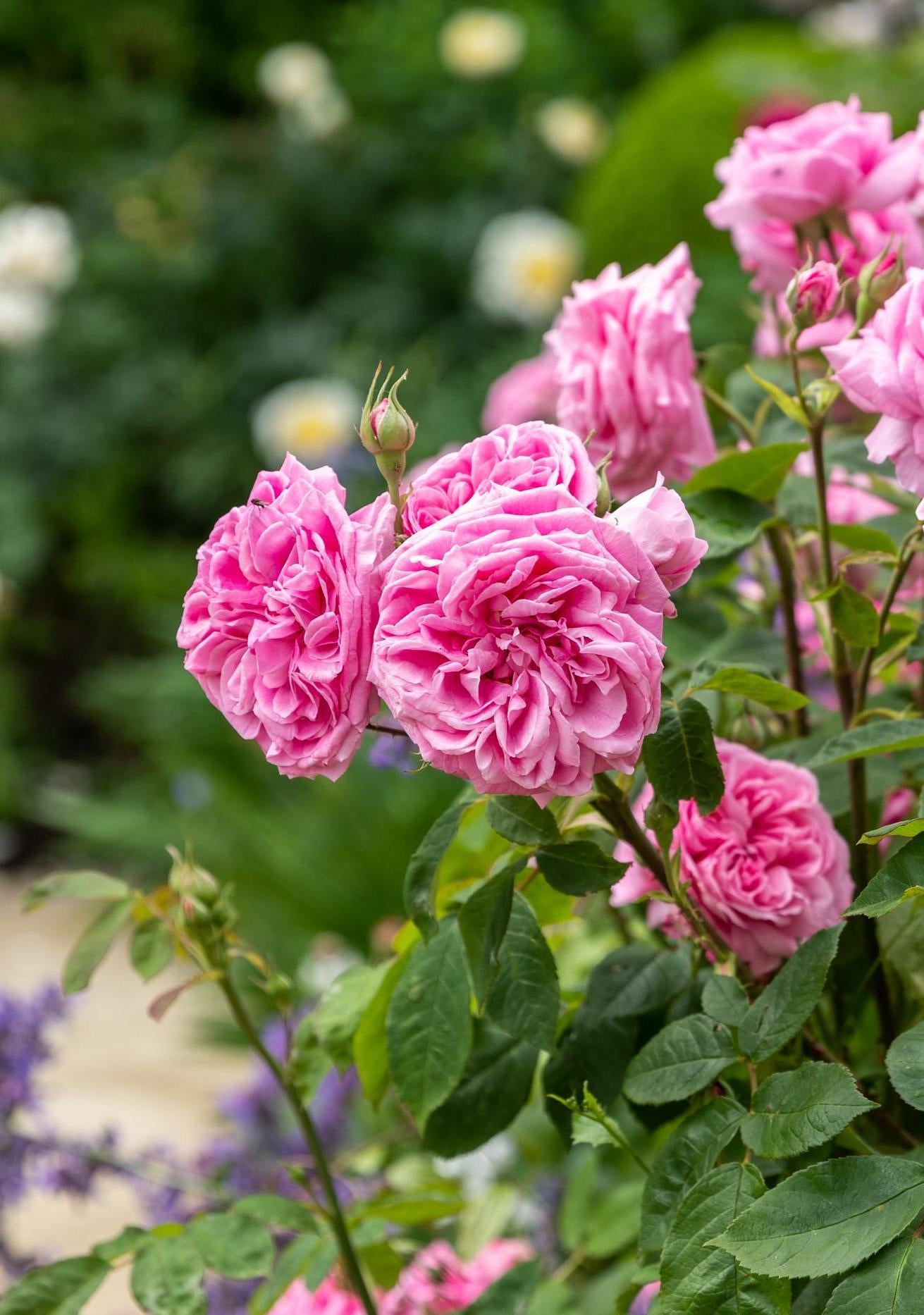
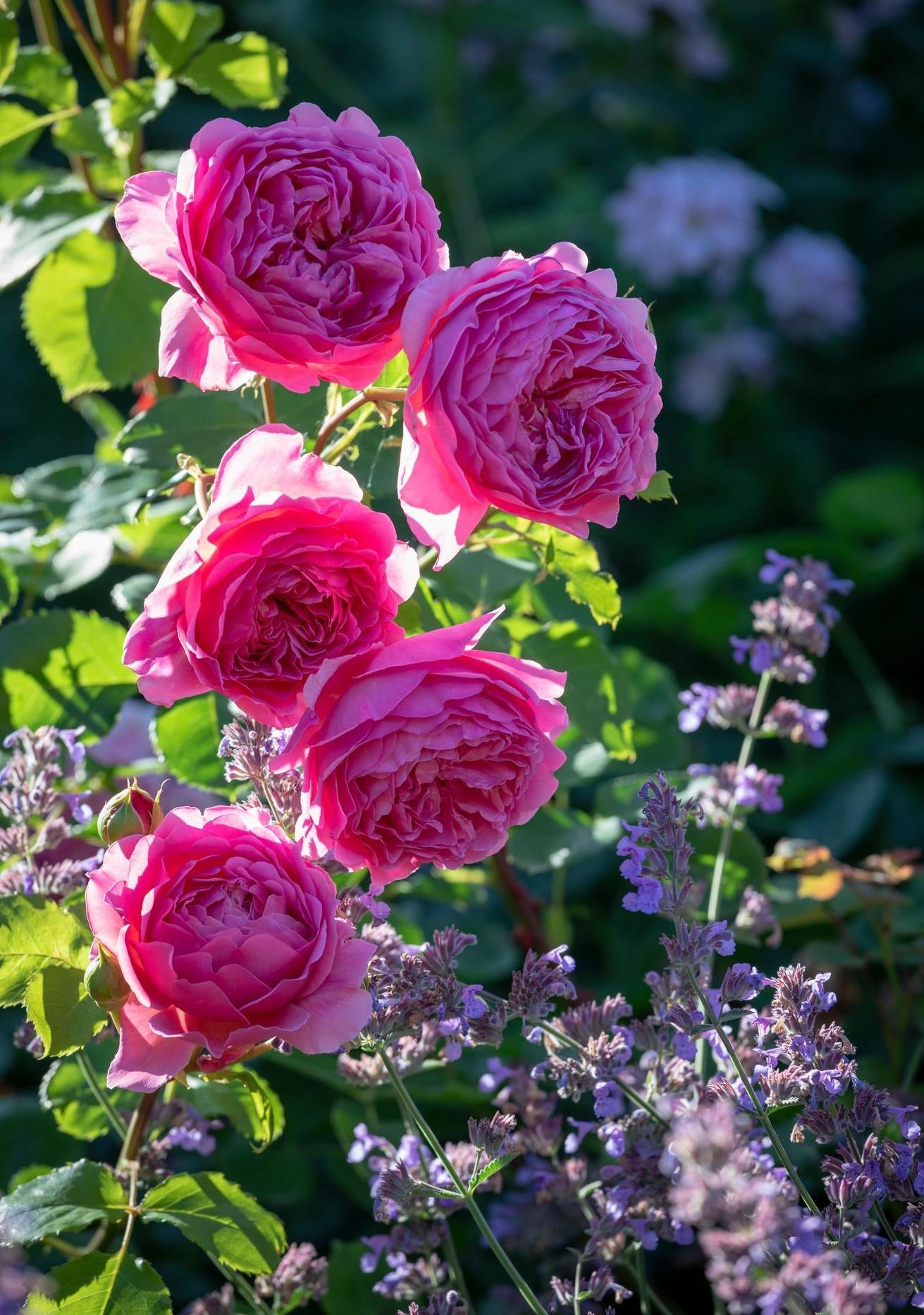
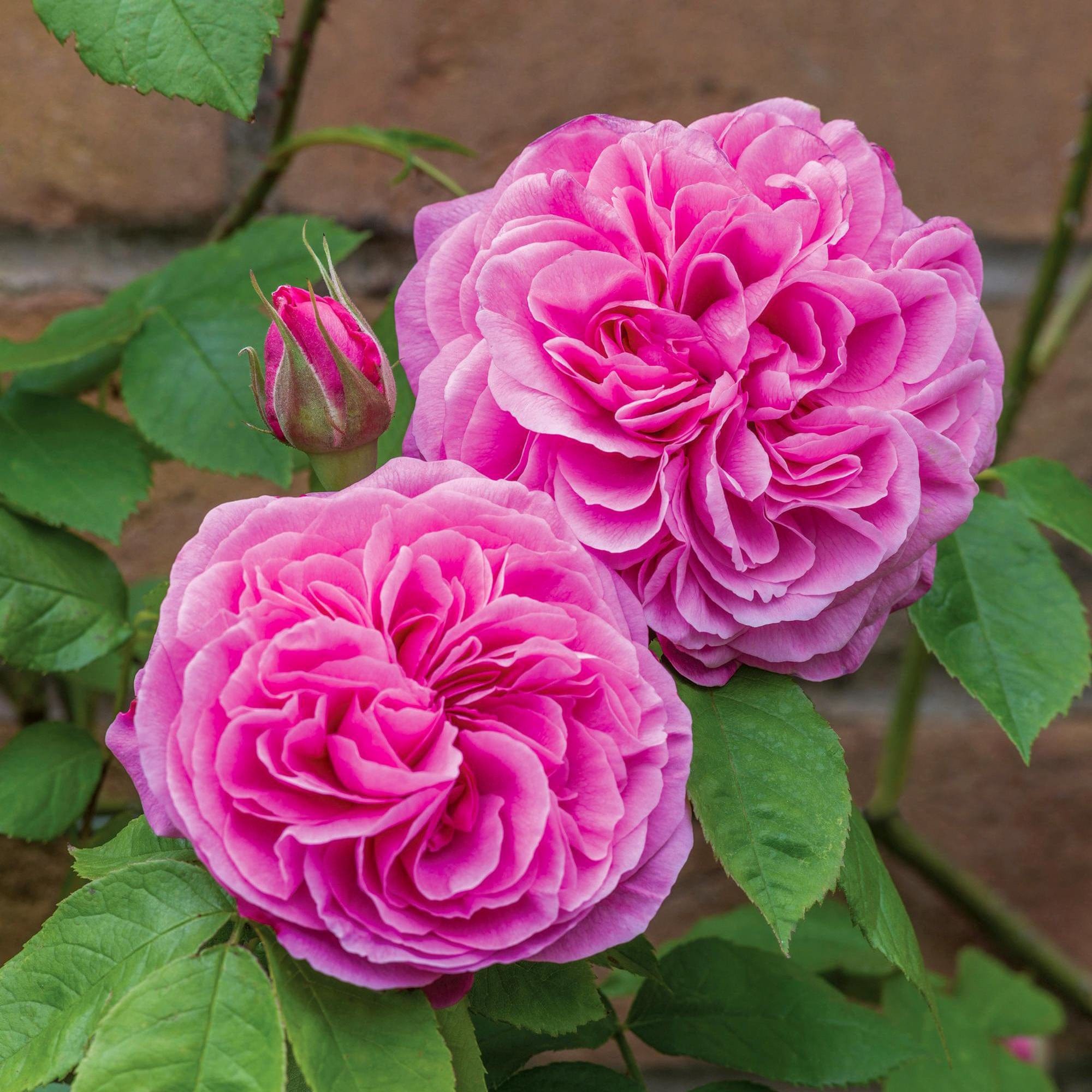
The classic rose fragrance. Rich, warm and deeply floral, it is the scent many people immediately recognise as the traditional perfume of a rose. Examples include Gertrude Jekyll®, Susan Williams-Ellis™ and Elizabeth™.



Tea Fragrance
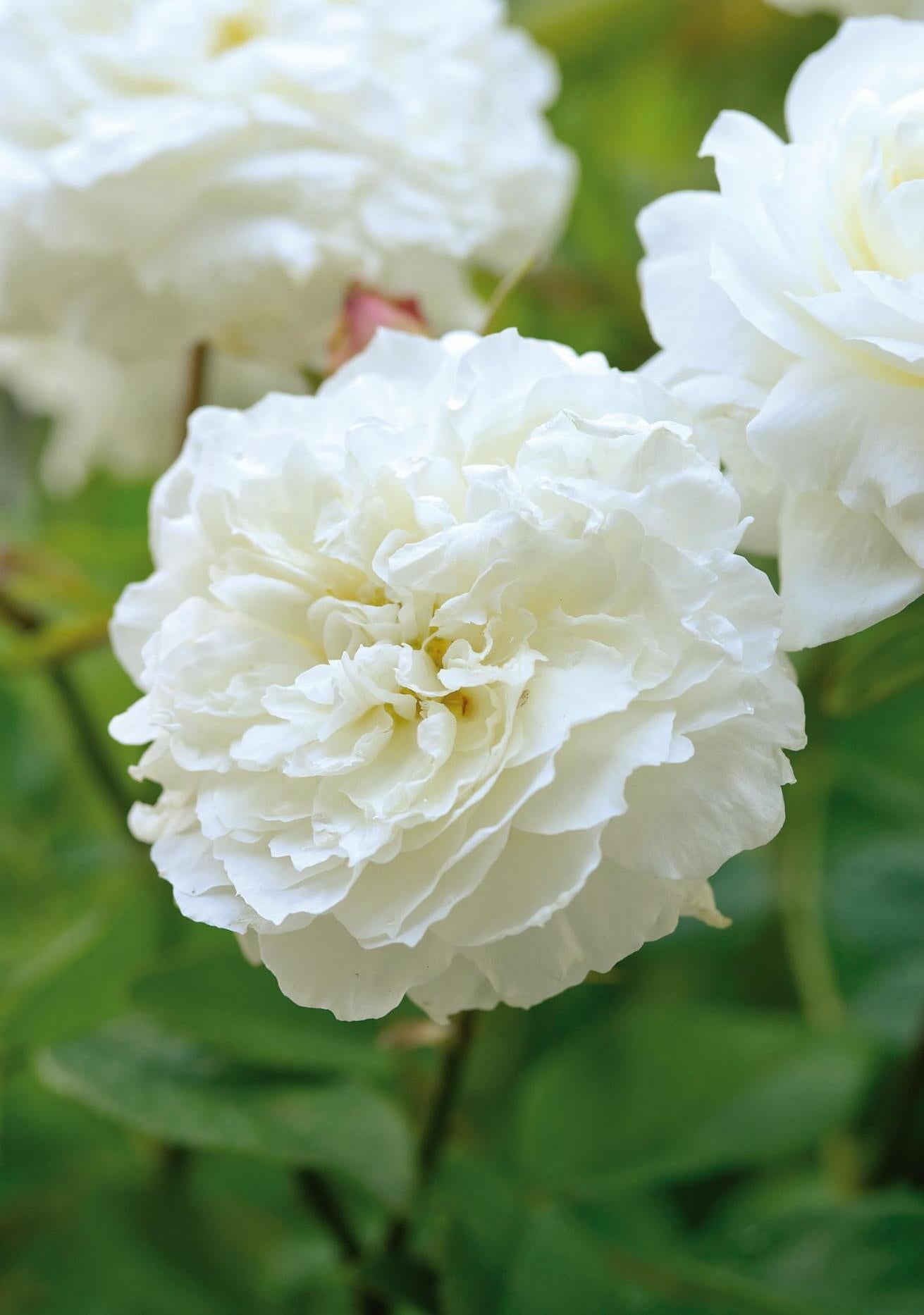
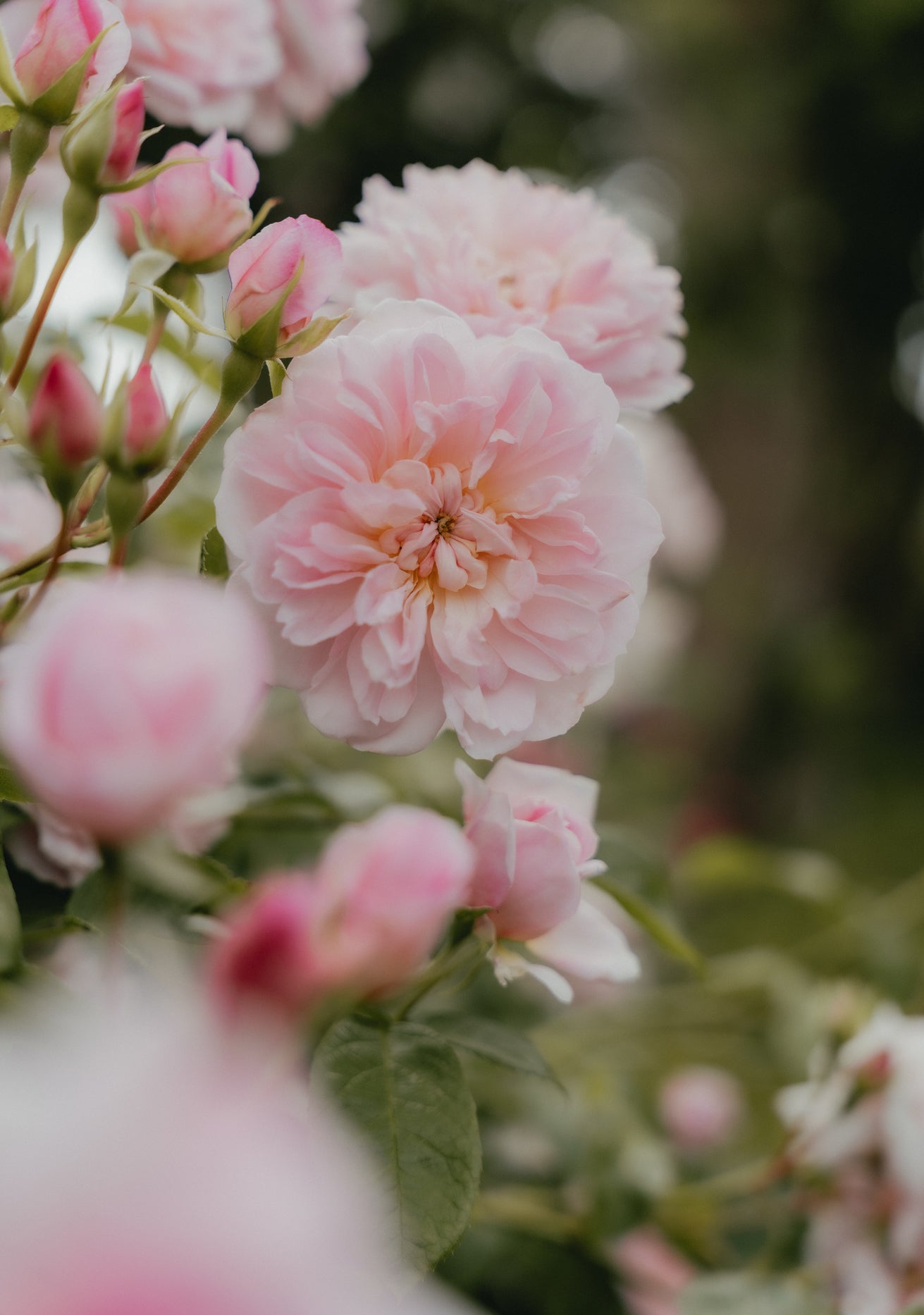
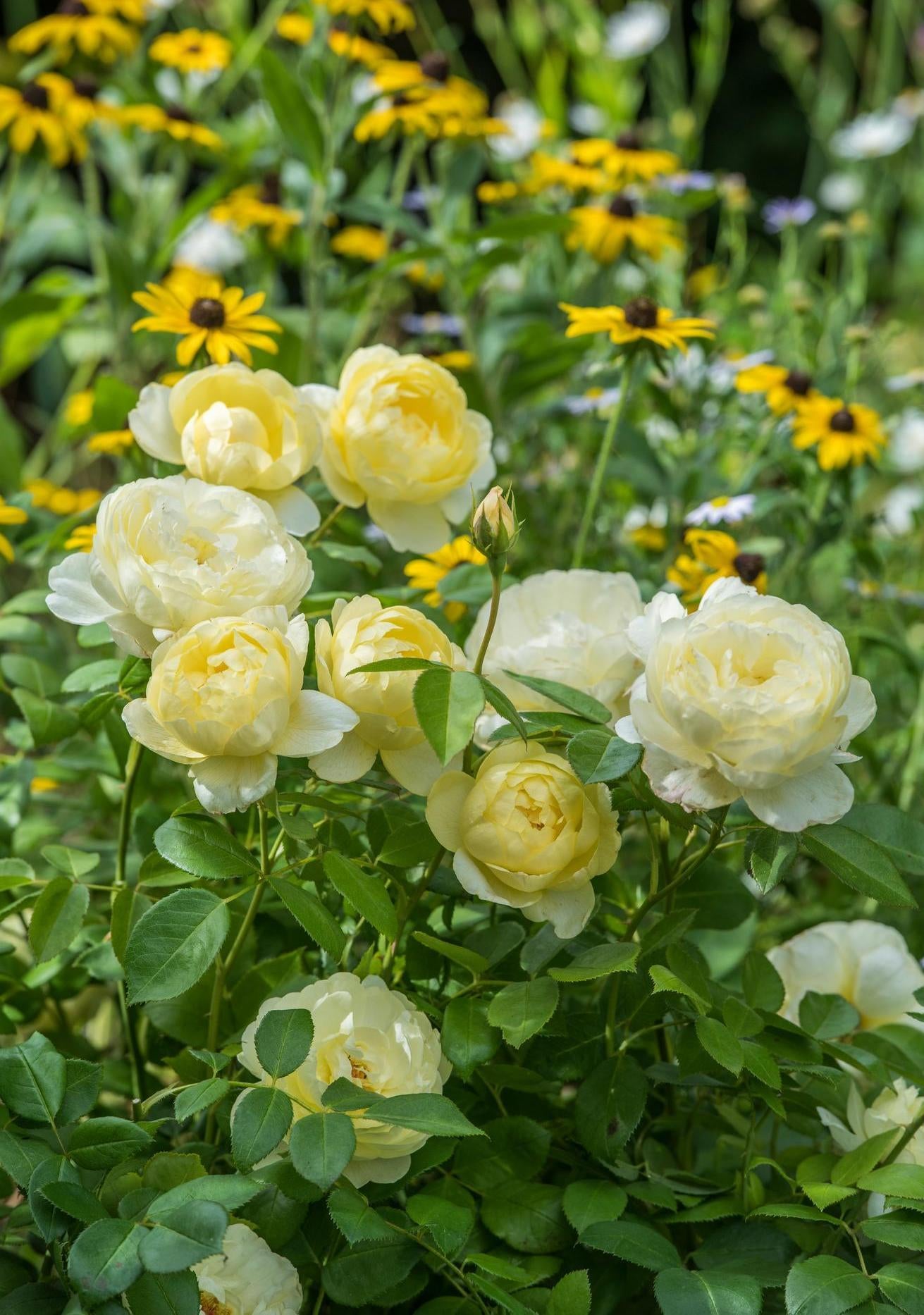
A softer, more refined fragrance, reminiscent of fresh tea leaves with gentle floral notes. Examples include Princess Alexandra of Kent™, Vanessa Bell and The Lady of Shalott™.



Myrrh Fragrance
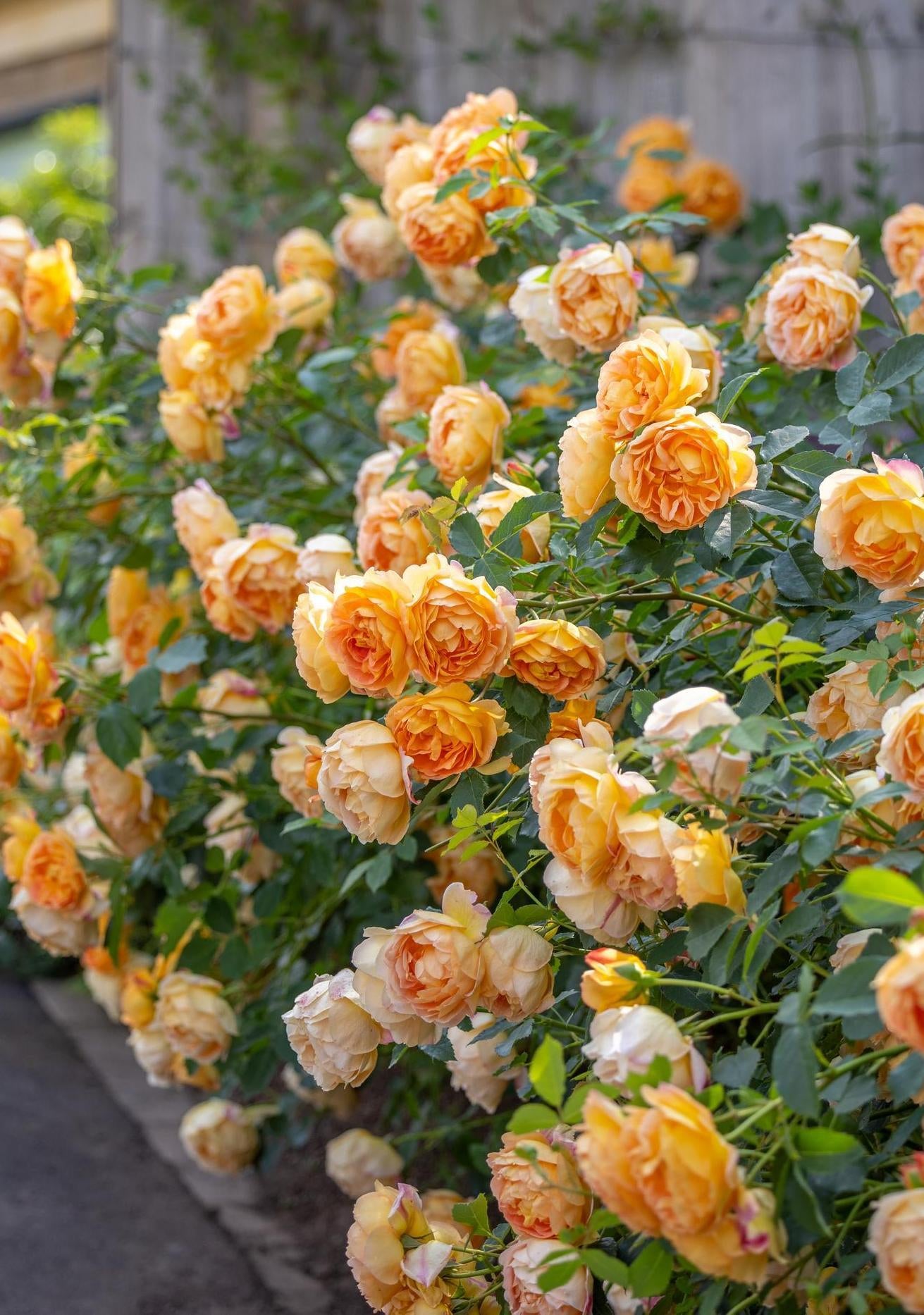
A distinctive fragrance found in some English Roses, with warm, aromatic notes often compared to aniseed. Examples include Bathsheba, Scepter’d Isle® and Nye Bevan™.

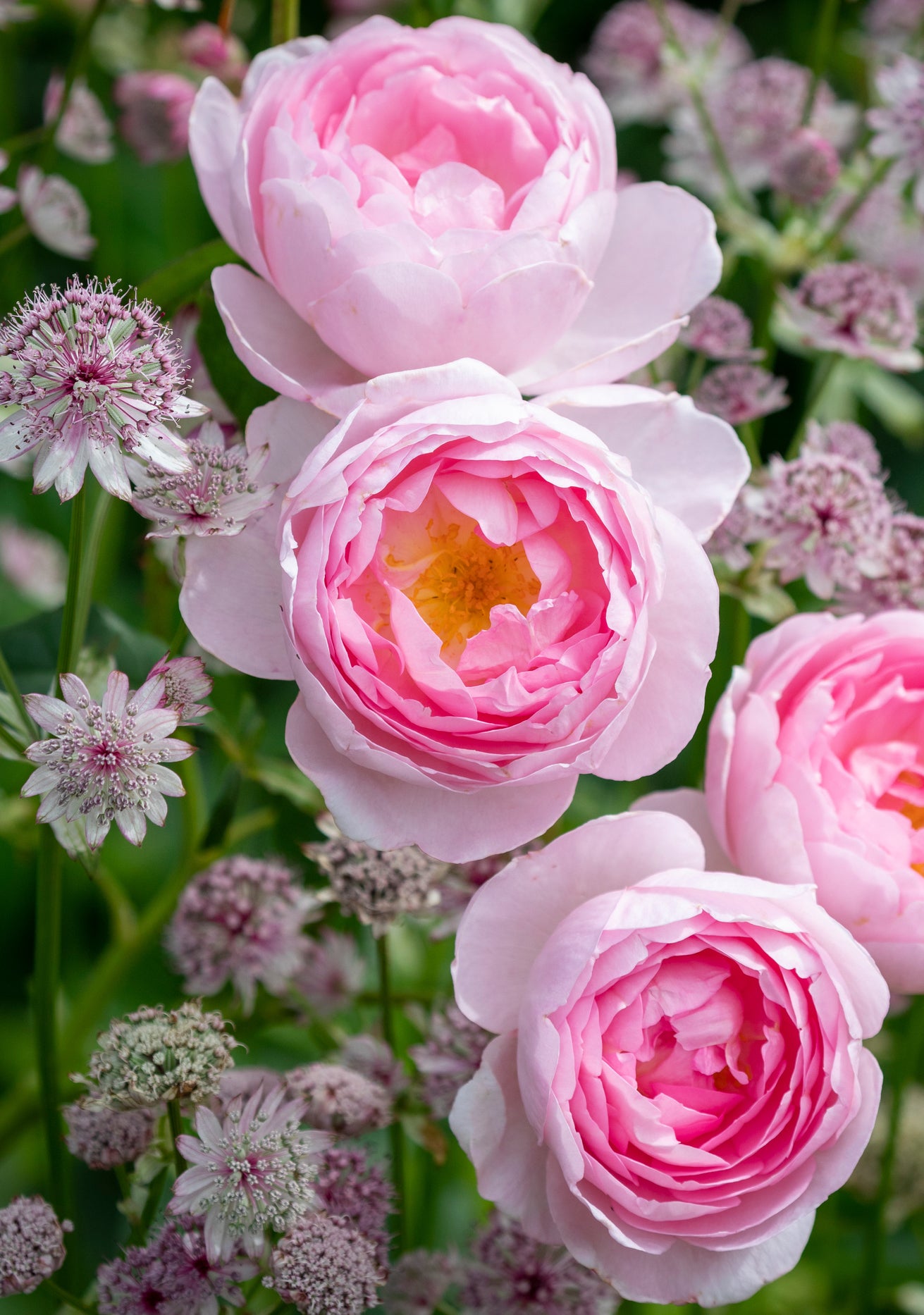

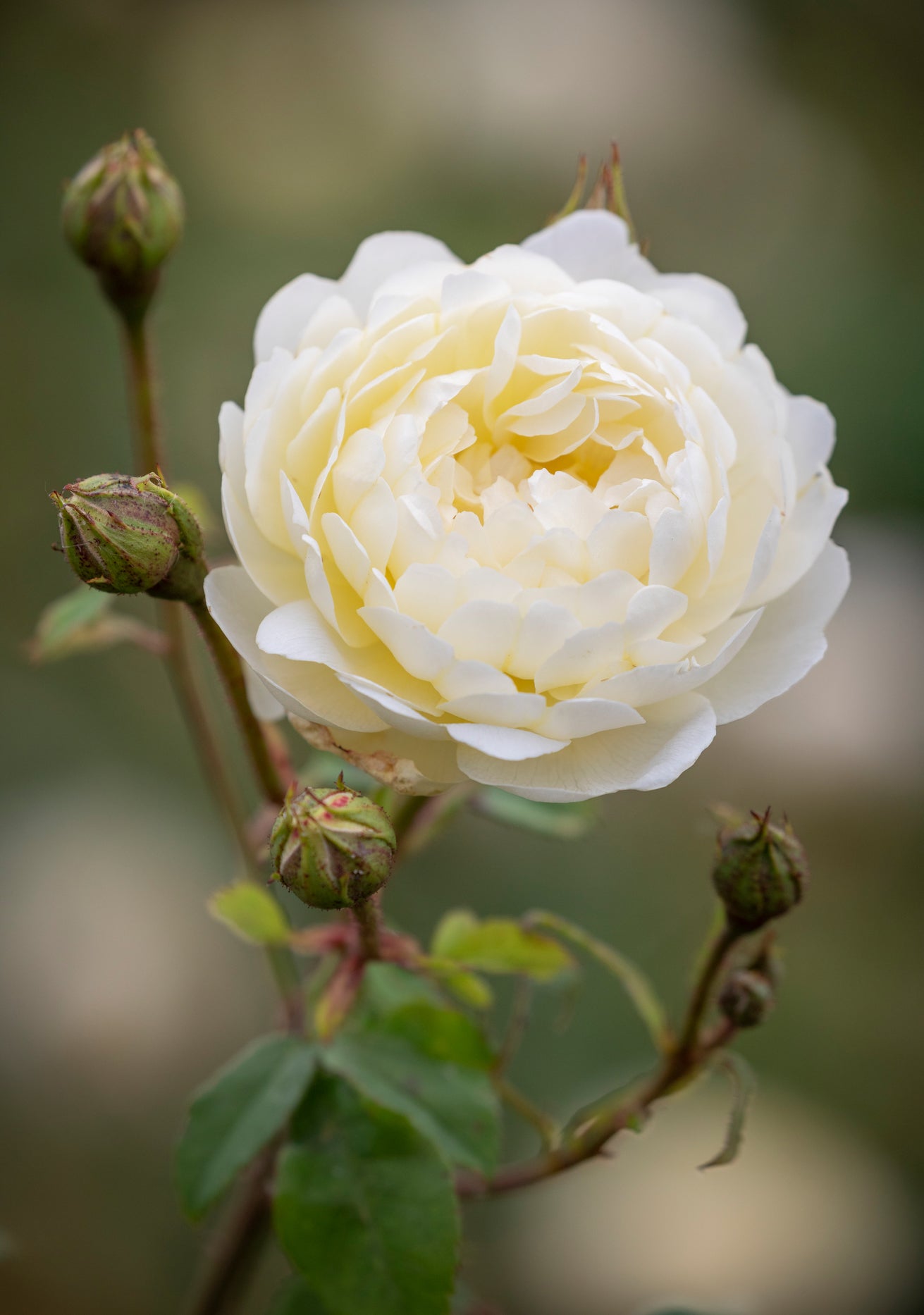

Fruity Fragrance
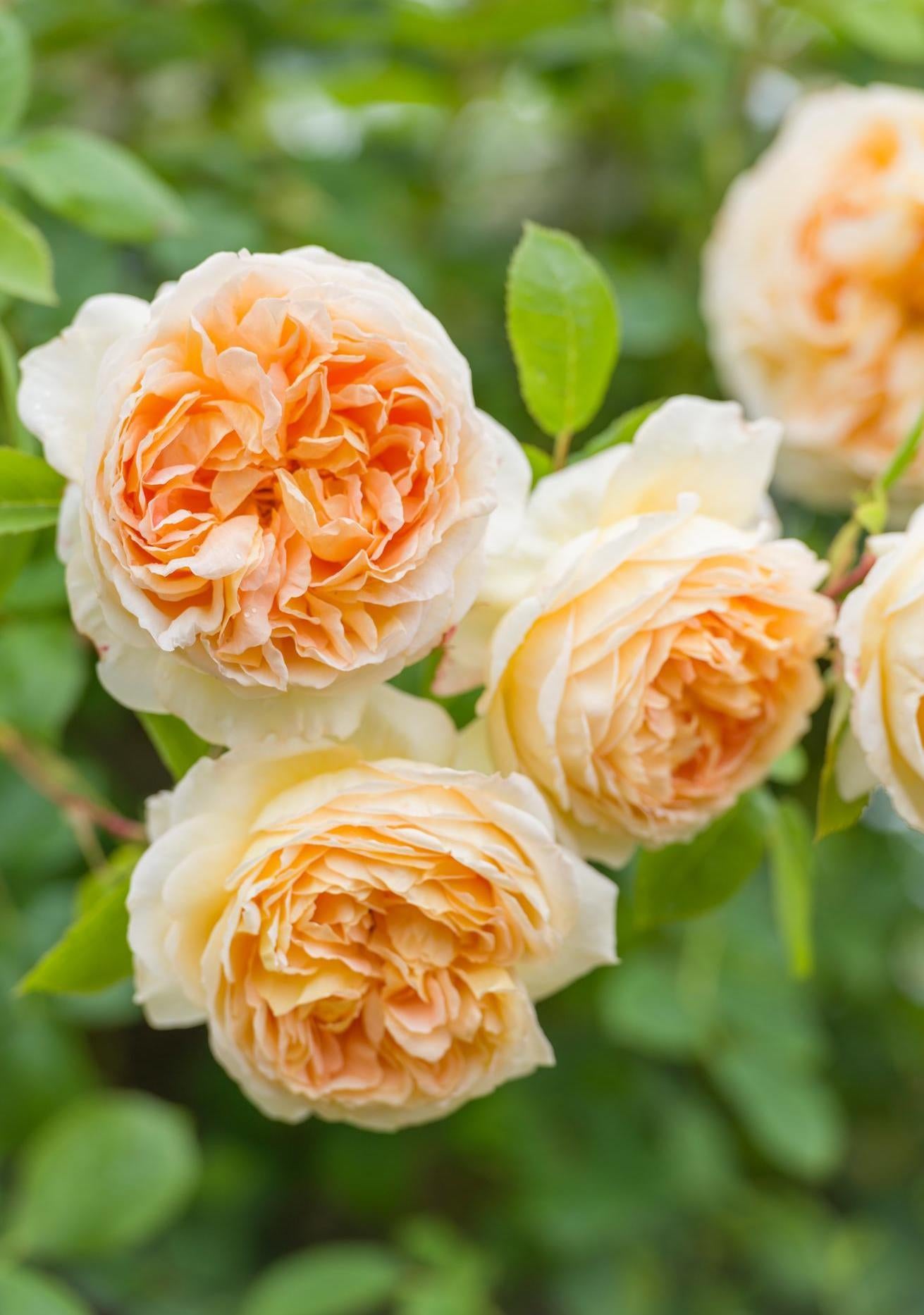
Bright and uplifting perfumes that can suggest lemon, raspberry, pear or lychee, adding a lively freshness to the garden. Examples include The Poet’s Wife™, James L. Austin™ and Dannahue™.
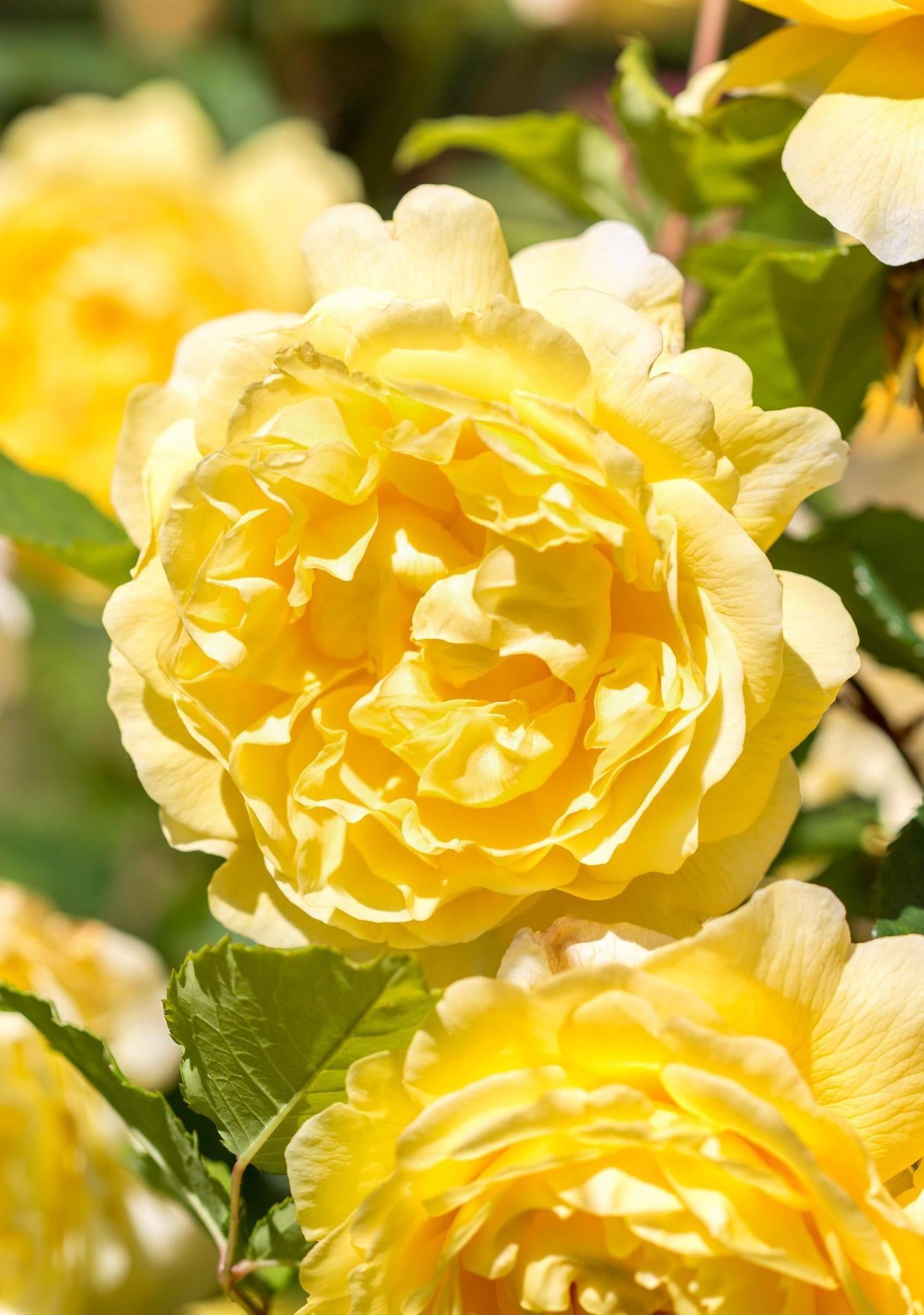

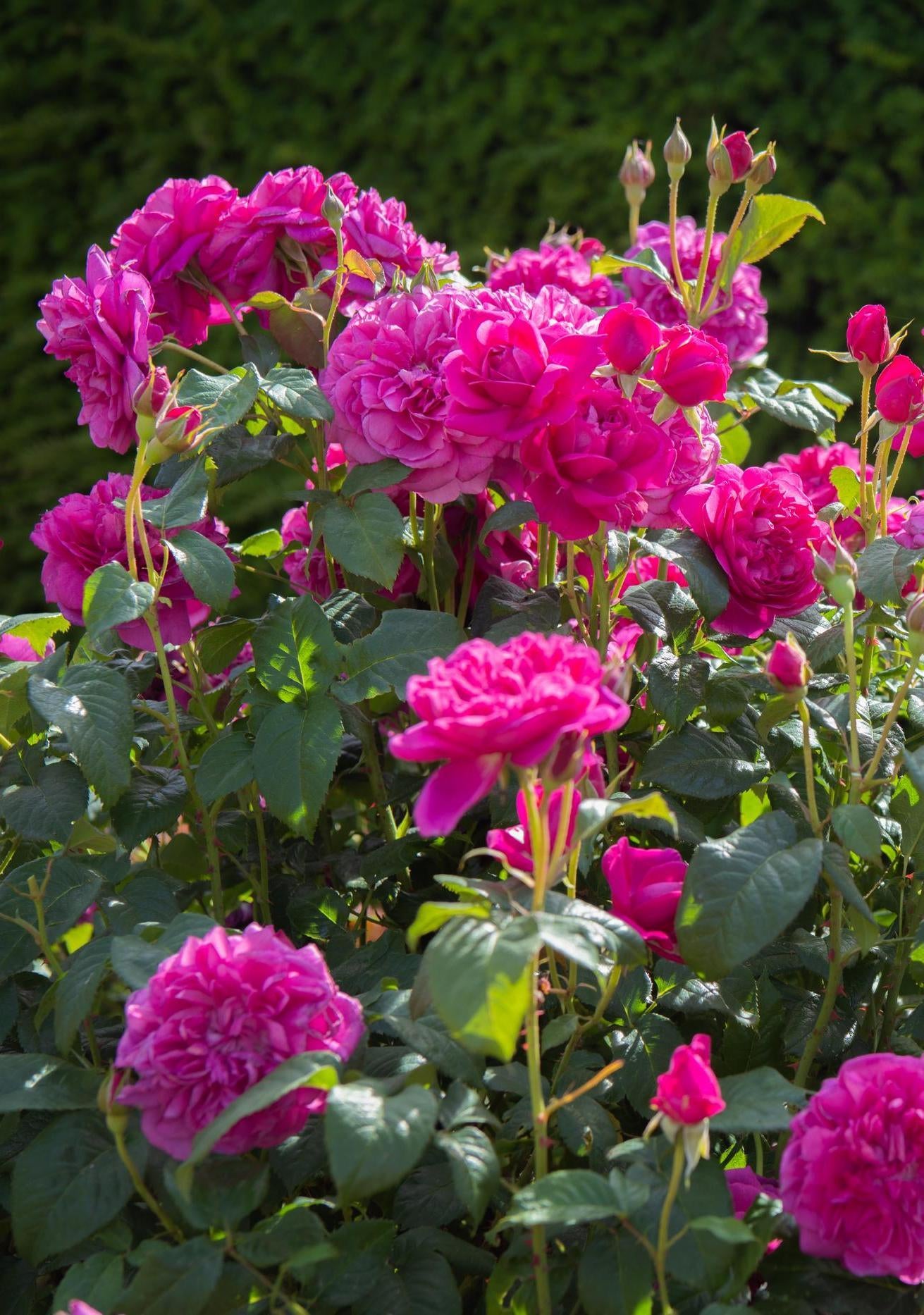

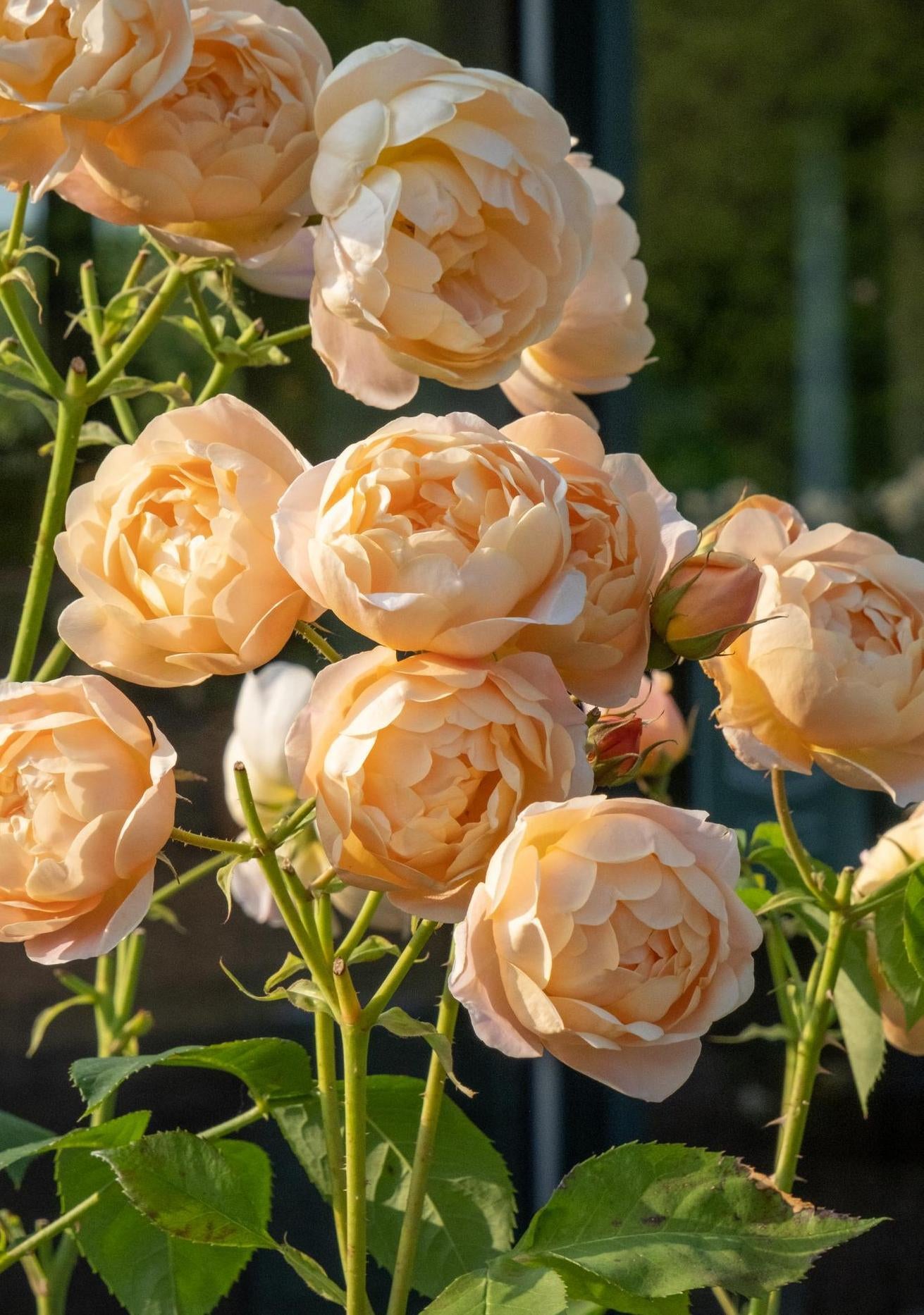

Musk Fragrance
A light, airy fragrance that drifts easily through the air, often noticed when walking past a flowering shrub. Examples include The Albrighton Rambler™, Lichfield Angel™ and Tottering-by-Gently.
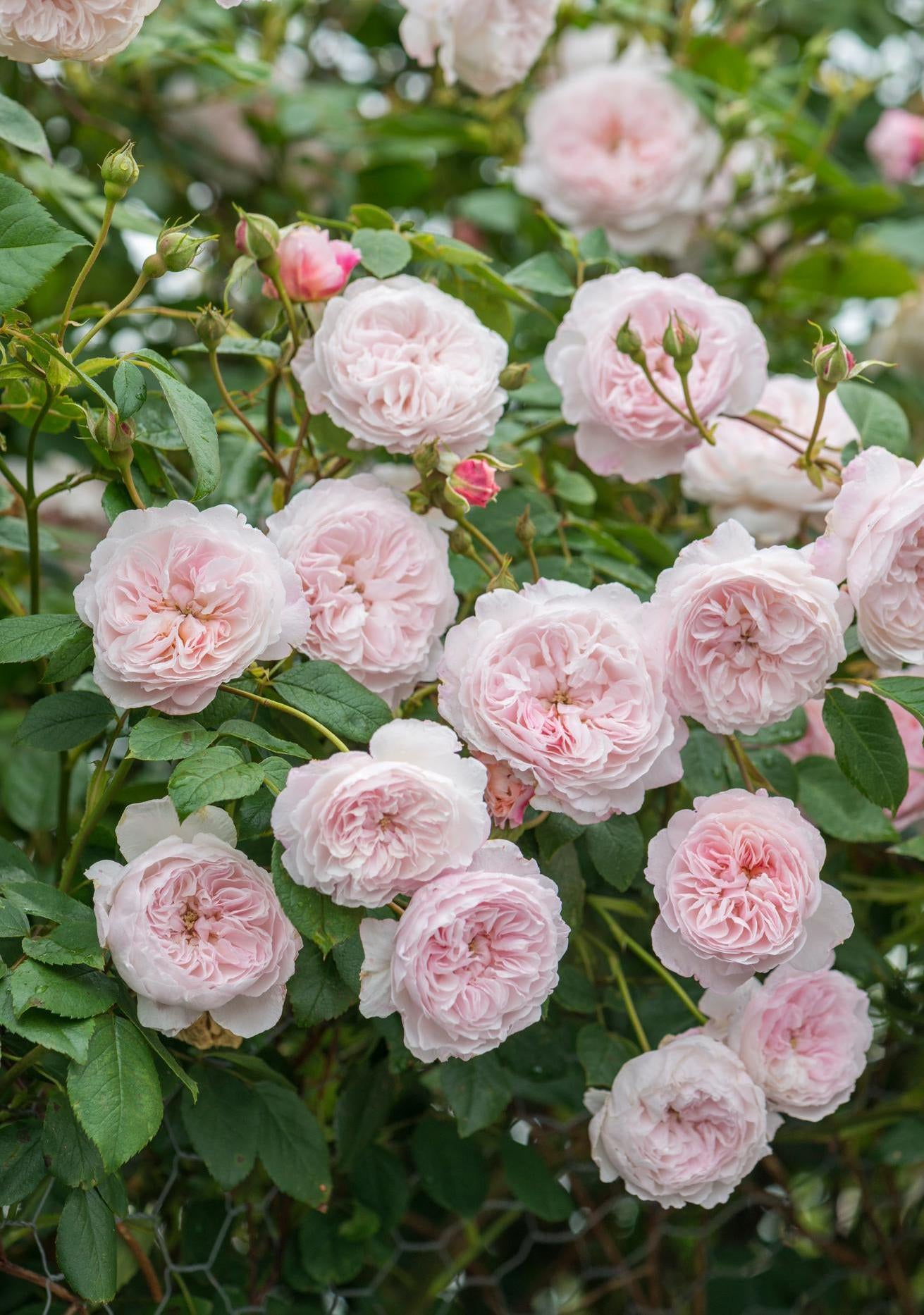


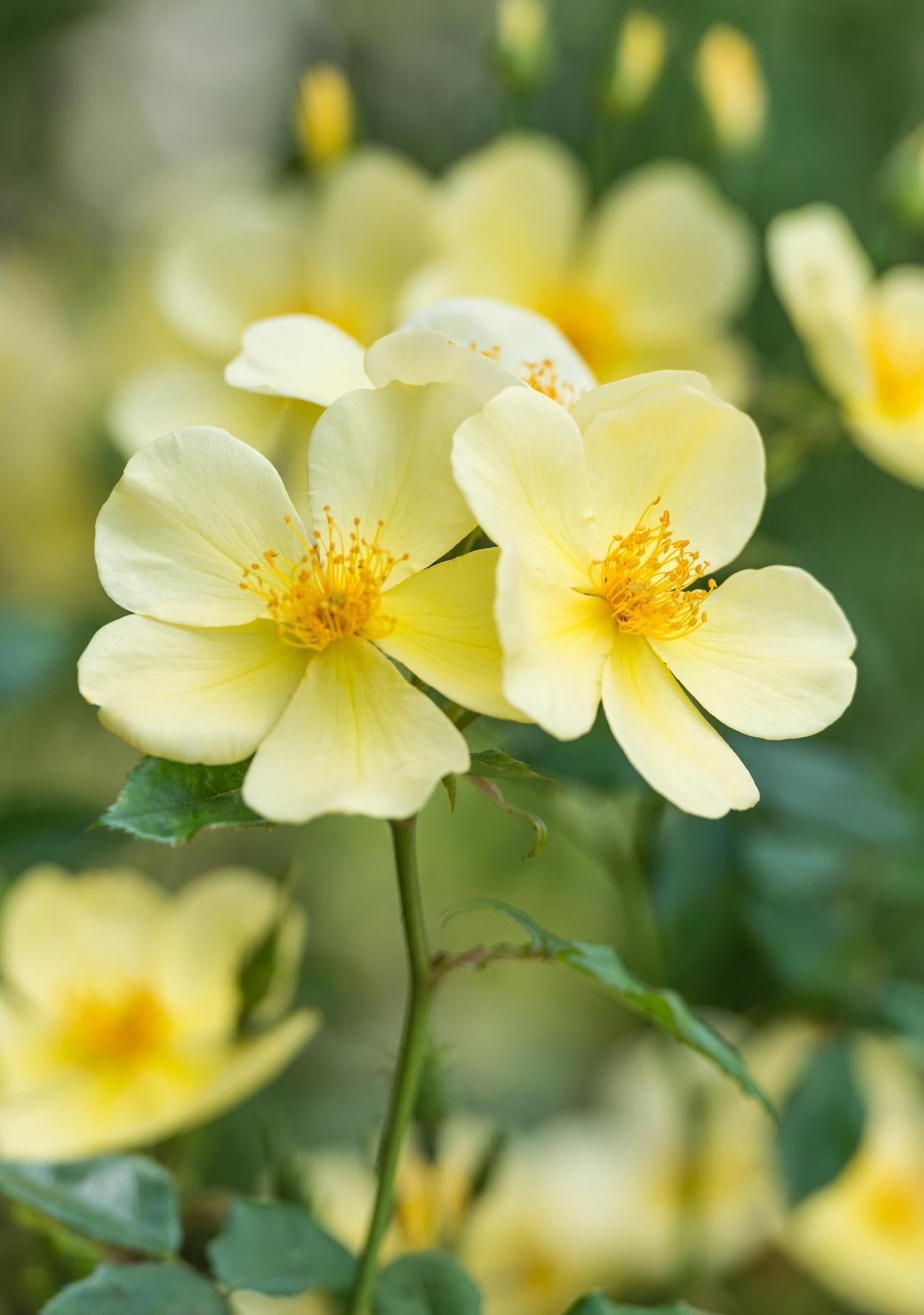

Fragrance Notes
If you would like to explore these scent families in greater detail, our guide to Fragrance Notes in Roses explains how these perfumes are identified and how they appear across different varieties.
Creating a Fragrant Garden
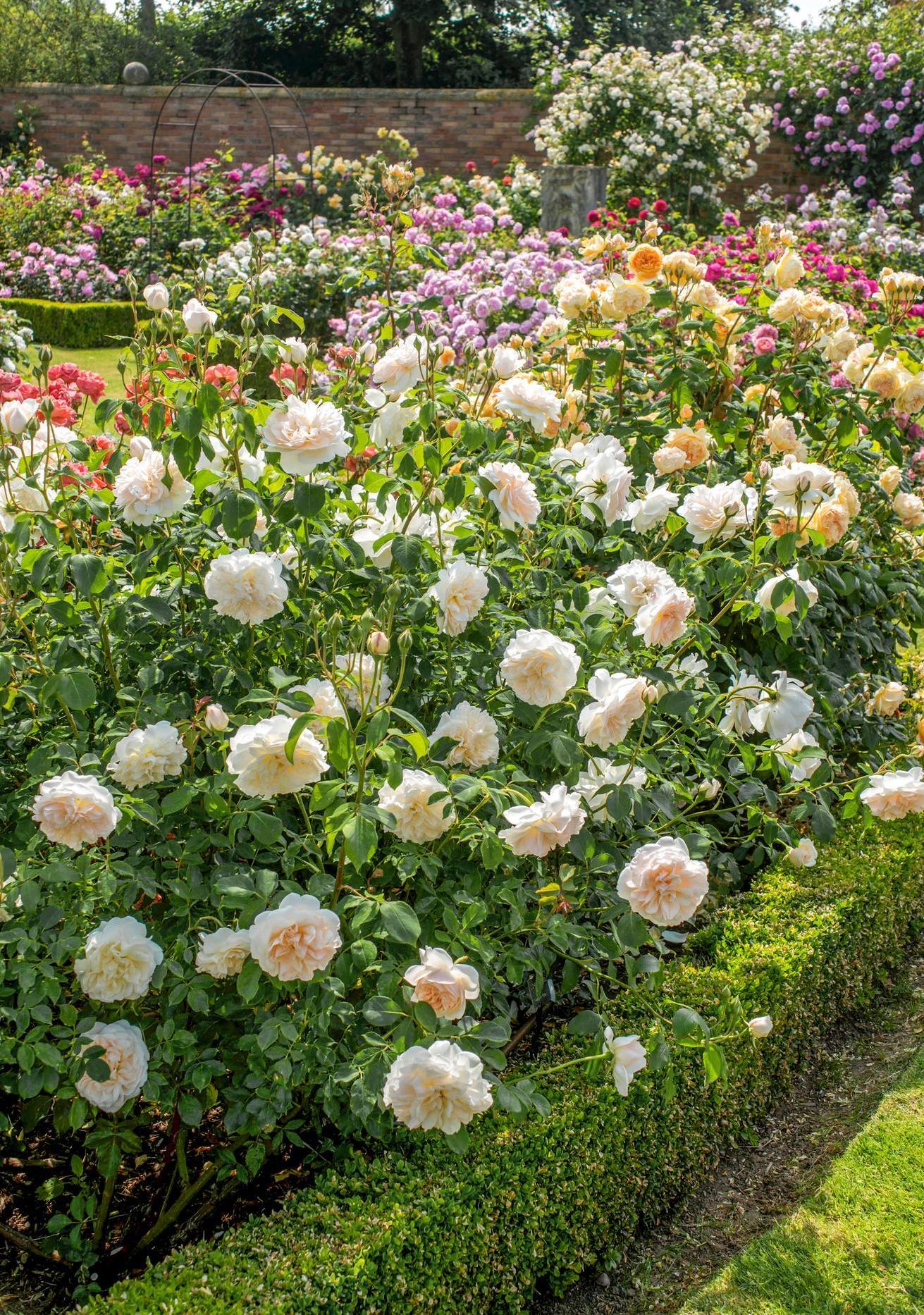
For gardeners who especially value scent, roses can play a central role in shaping the atmosphere of the garden. A thoughtfully chosen collection of varieties can provide fragrance from late spring through summer and into early autumn.
Our guide to English Roses that Fill the Air with Fragrance highlights varieties particularly admired for their perfume, helping you discover roses where scent takes centre stage.
It is also helpful to remember that fragrance is influenced by the conditions around the plant. Warm, still weather often intensifies scent, while cool or windy days may soften it. Many roses release their perfume most generously in the morning or early evening. You can explore this further in our guide to the best times to enjoy rose fragrance in your garden, which explains how weather and time of day affect the way roses smell.
Fragrance Is Only One Part of the Choice
While fragrance can be a wonderful feature, it is just one of the qualities to consider when choosing a rose. Colour, flower form, health and growth habit all play an important role in finding the variety that will suit your garden best.
Some gardeners choose with their nose, others with their eyes. Most of us find that the right rose is one that balances both beauty and fragrance in a way that feels right for the space.
In the next guide in our Finding the Right Rose series, we look at another important question: how large you would like your rose to grow, helping you match each variety to the space you have available in your garden.
-
Finding the Right Rose for Your Garden: Choosing the Perfect SpotChoosing a rose is one of the quiet pleasures of gardening. In this first article of a short series, we look at some of the simple things to consider when choosing the perfect spot for a rose in your garden.

-
Finding the Right Rose for Your Garden: Choosing the Right VarietyIn our previous article, we began with a simple but important question: where will your rose live? Once you have considered the space available, whether a border, a container, or a wall, the next step is just as helpful.

-
Finding the Right Rose for Your Garden: Choosing Your Rose ColourWhen choosing a rose, colour is often the first thing that captures our attention. Long before we notice fragrance or the form of the bloom, it is usually the colour that quietly draws us in.
-
Finding the Right Rose for Your Garden: Choosing the Shape and Size of Your Rose BloomsIn our previous guide, “Choosing Your Rose Colour,” we explored how colour is often the first thing that draws us to a rose. Once colour has caught the eye, the next detail many gardeners begin to notice is the shape and size of the flower itself.
-
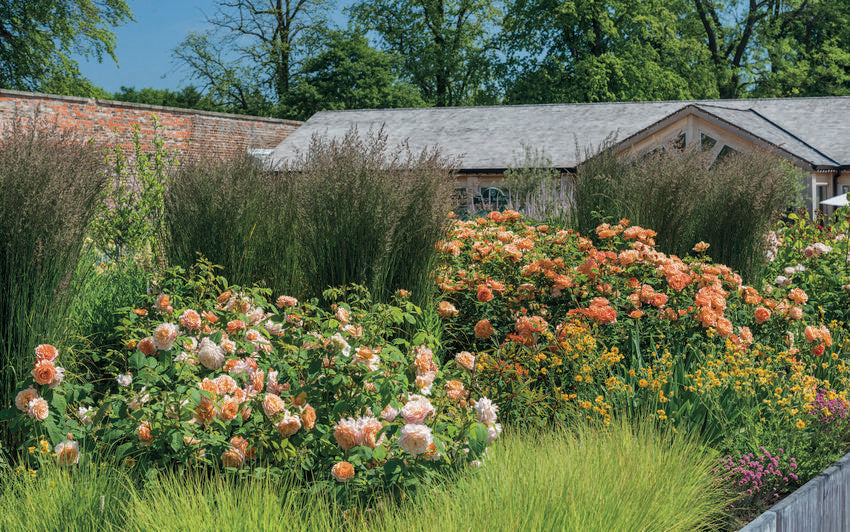
Drifts of Colour Planting English roses in threes, fives or moreWhen it comes to creating an interesting and harmonious garden, the way you arrange your plants can make all the difference. English roses, with their exquisite forms and captivating fragrances, are the perfect example. Planting them in clusters of three, five or more, particularly when you choose the same variety, is one of the simplest and most effective ways to bring both balance and character to your outdoor space.
-
The Comfort of Autumn in the Rose GardenAutumn brings a particular kind of morning. You pull on a favourite jumper, step outside and feel the cooler air on your face, and somehow the day feels a little clearer. Leaves gather beneath your feet, the soil smells rich and damp, and the low sun turns everything a soft shade of gold.
-
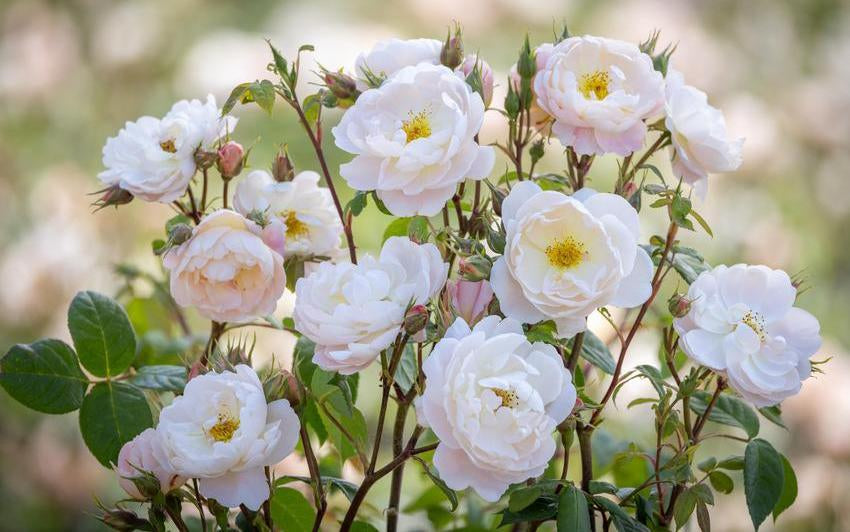
First Look: Sir David Beckham, A Rose with Family at its HeartSir David Beckham (Ausa34b16) is a rose shaped by natural beauty, quiet strength and a deeply personal story. Created to mark a milestone year and inspired by a touching request from Harper for her father’s 50th birthday, this remarkable new English Shrub Rose is rooted in something deeply meaningful, a living symbol of family, resilience and enduring love. Yet beyond the story behind its name, Sir David Beckham is, above all, a rose of great garden beauty and presence.
-
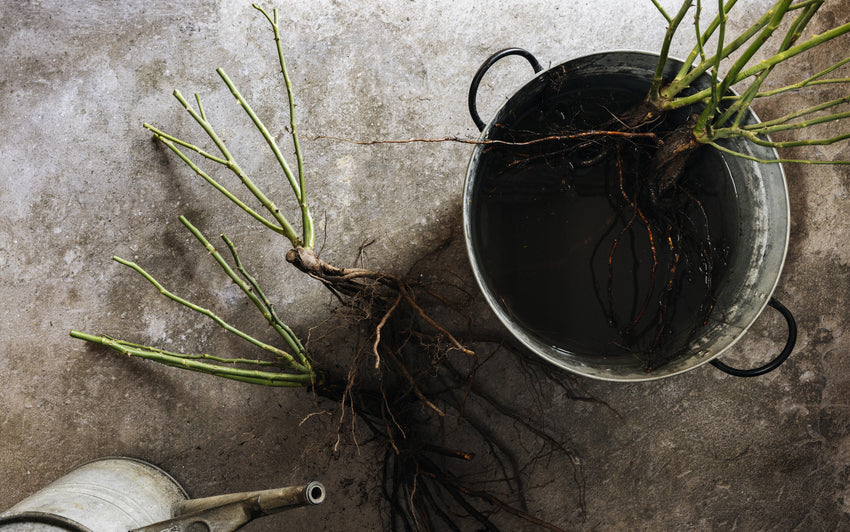
The Rose Year BeginsAutumn brings a distinct richness that invites us to slow down and notice the changes. Leaves turn shades of amber and gold, while the lower, softer light catches the borders in the late afternoon. As cooler mornings bring heavy dew and that unmistakable, earthy scent of damp soil, the garden gradually settles down for the season.
-
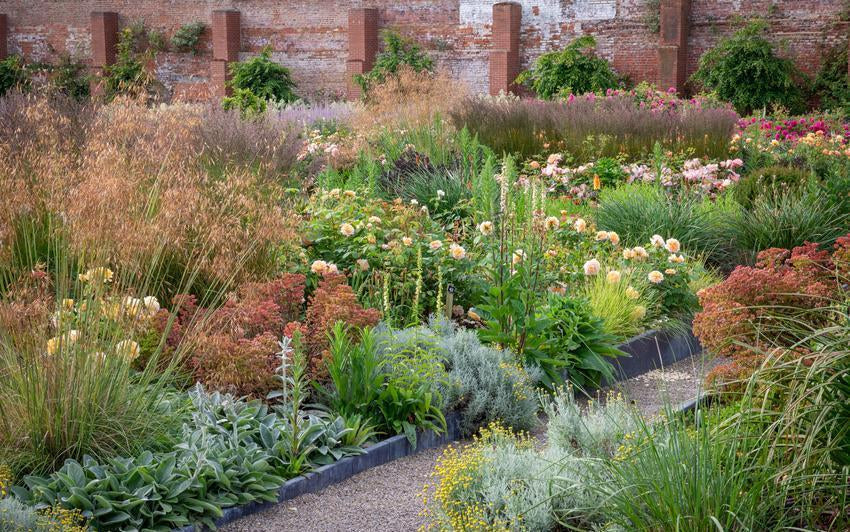
What to Plant with English Roses for Autumn ColourBy the end of September, the rose garden is changing. The exuberance of summer is fading, and the rhythm of the season is slowing. Many English Roses are setting hips now, their once-constant flowers giving way to clusters of glowing fruits. Yet the borders need not feel diminished. With the right companions, roses can be framed and supported so that the garden still sings with colour, texture and grace well into autumn.
-
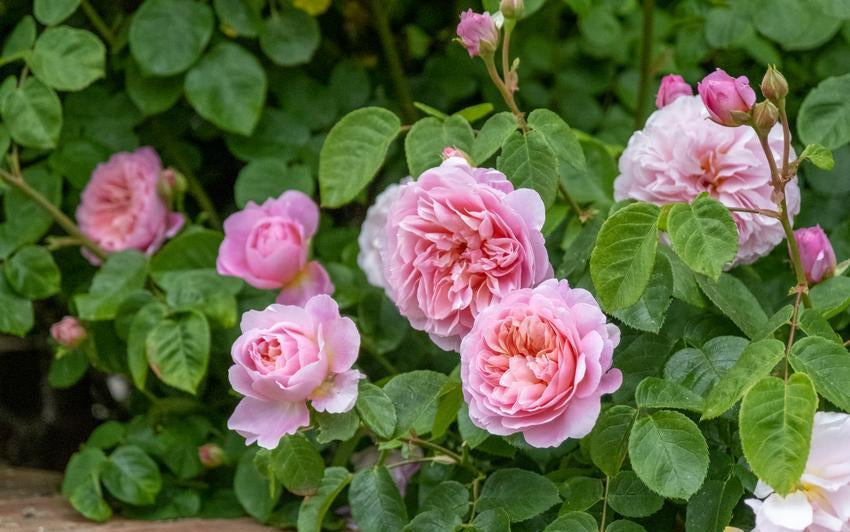
Roses with Large Blooms: Varieties for Garden ImpactA rose in full flower can transform a garden. Large, many-petalled blooms draw the eye through a border, bring colour to a quiet corner or create a beautiful focal point when grown in a pot.
-
Best Fragrant Roses for Autumn: Scent and Colour Beyond SummerThe fragrance of a rose is never quite fixed. Temperature, humidity, time of day and even the stage of the flower can all influence how its scent is released and experienced. As the warmth of summer begins to soften into autumn, cooler mornings and greater moisture in the air create different conditions for fragrance, and a familiar rose can reveal itself in a rather different way.