

- Roses at Christmas
A Winter Bloom Through History
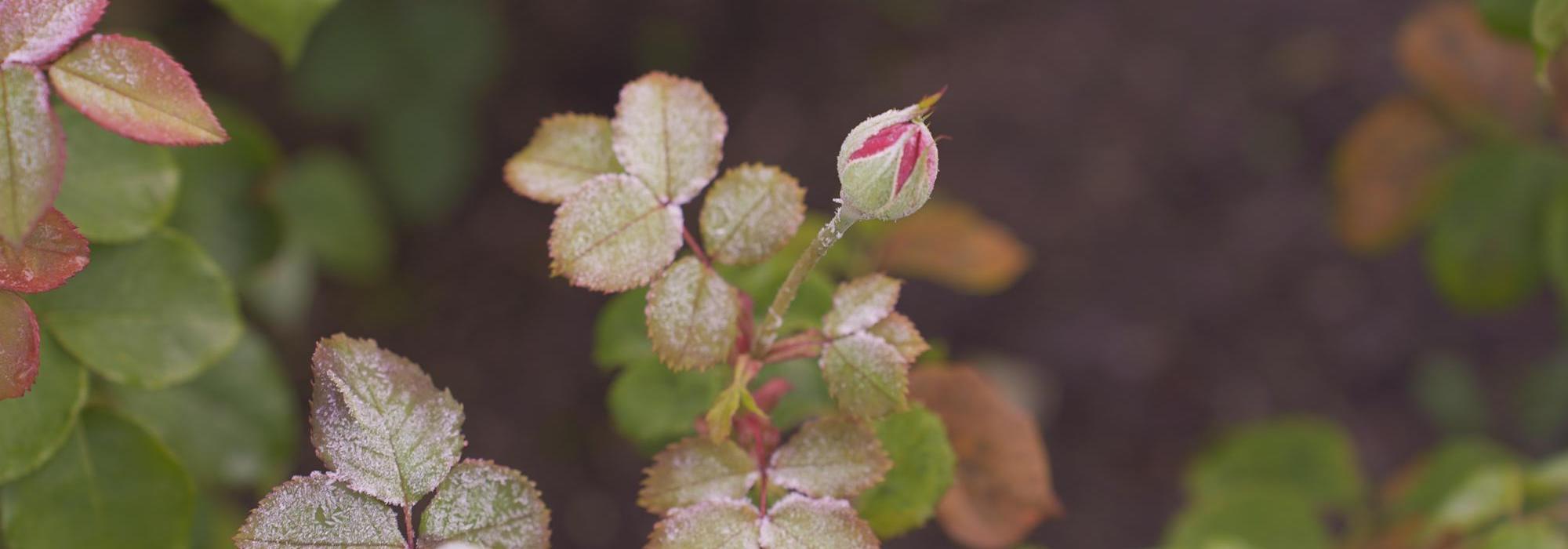

Roses and Christmas may seem unlikely companions, yet the flower has held a place in midwinter traditions for centuries. At a time of year when daylight is brief and the garden lies still, the rose has often stood for continuity, memory and the promise of renewal. Its presence, whether symbolic, preserved or coaxed into late bloom, has long brought a touch of grace to the festive season.
Medieval England: A Flower of Winter Imagination
In medieval Britain, the rose appeared not as a literal December bloom but as an emblem woven into seasonal culture. Songs and poems of the period often invoked the image of a rose thriving against winter’s cold. These images offered comfort when fields were bare and colours muted, suggesting the quiet endurance of beauty through hardship.
Inside churches and great halls, embroidered roses decorated cloth hangings and ceremonial garments. Even when fresh flowers could not be had, the rose remained present in these crafted forms, softening the austerity of midwinter spaces. Manuscripts of the period, richly illustrated by hand, also carried stylised roses in their borders, a small reminder of the natural world during the year’s hardest months.
Roses in the Festive Home: A Tradition of Preservation
By the early modern period, households found creative ways to keep roses close during winter. Dried petals, often saved from summer abundance, were stored in linen sachets or added to potpourri mixtures alongside spices and evergreen needles. Their fragrance, subtle yet distinctive, helped freshen homes kept tightly closed against the cold.
Rosehips too played a role. Their warm oranges and reds made them natural additions to wreaths, garlands and table decorations. Paired with ivy, yew or holly, they added depth and life to seasonal arrangements. In rural areas, children sometimes threaded hips into simple strings to brighten windowsills or mantelpieces.
Victorian Enthusiasm: Roses Under Glass
The Victorian era, with its passion for horticulture, ushered in a new chapter for roses at Christmas. Wealthier households grew prized varieties in glasshouses, carefully tended to encourage flowering for the festive season. These winter blooms were displayed as a mark of refinement, admired not only for their beauty but also for the skill required to bring a summer flower into winter.
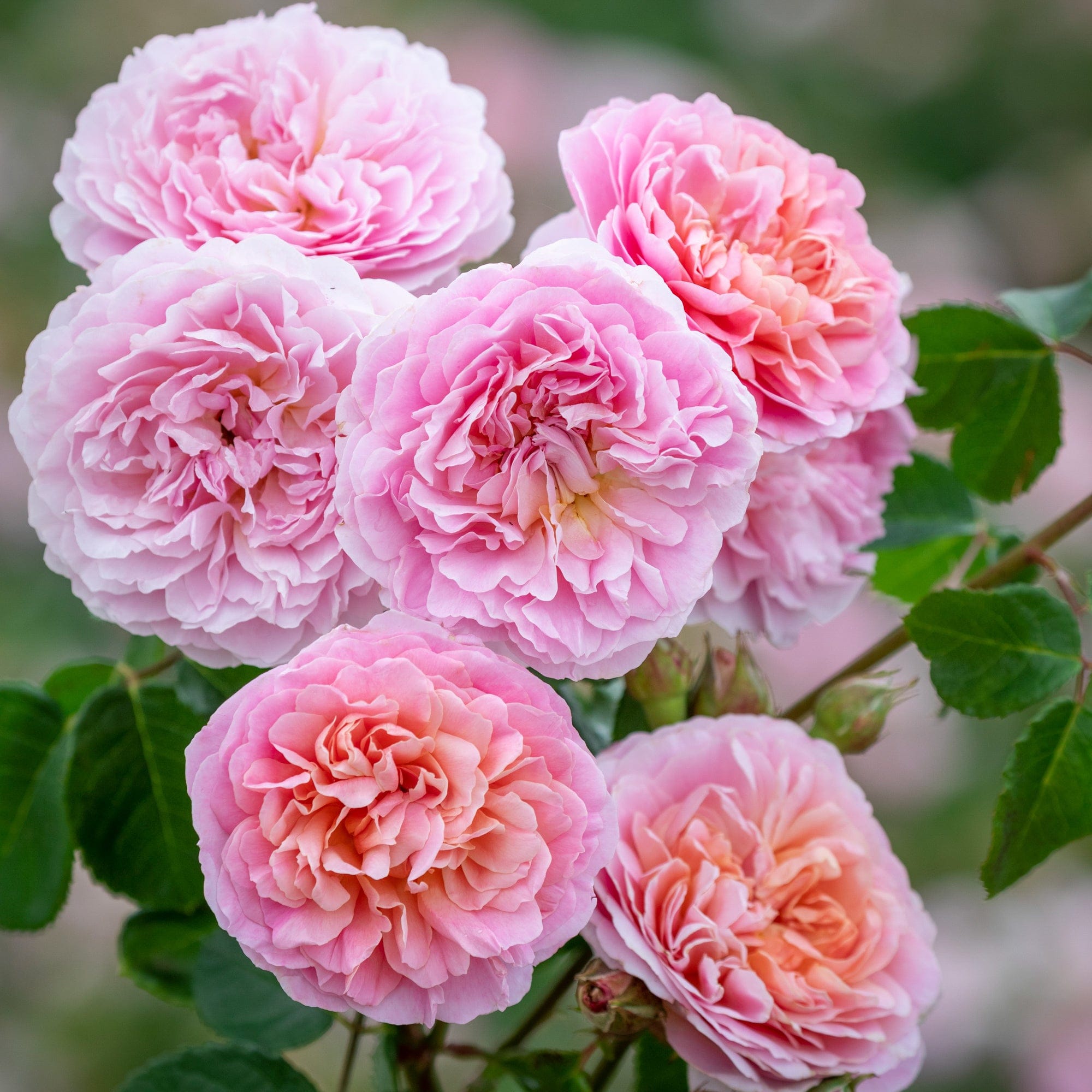
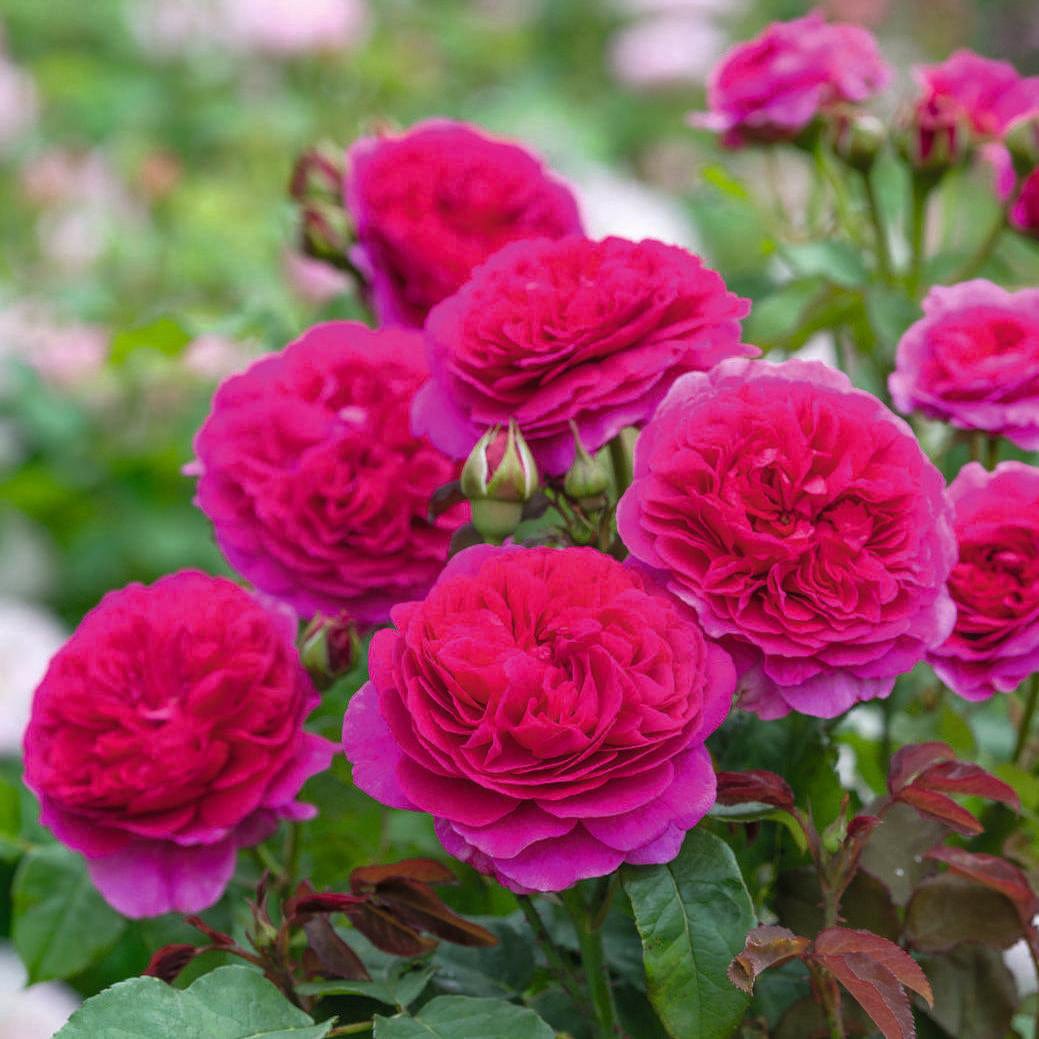
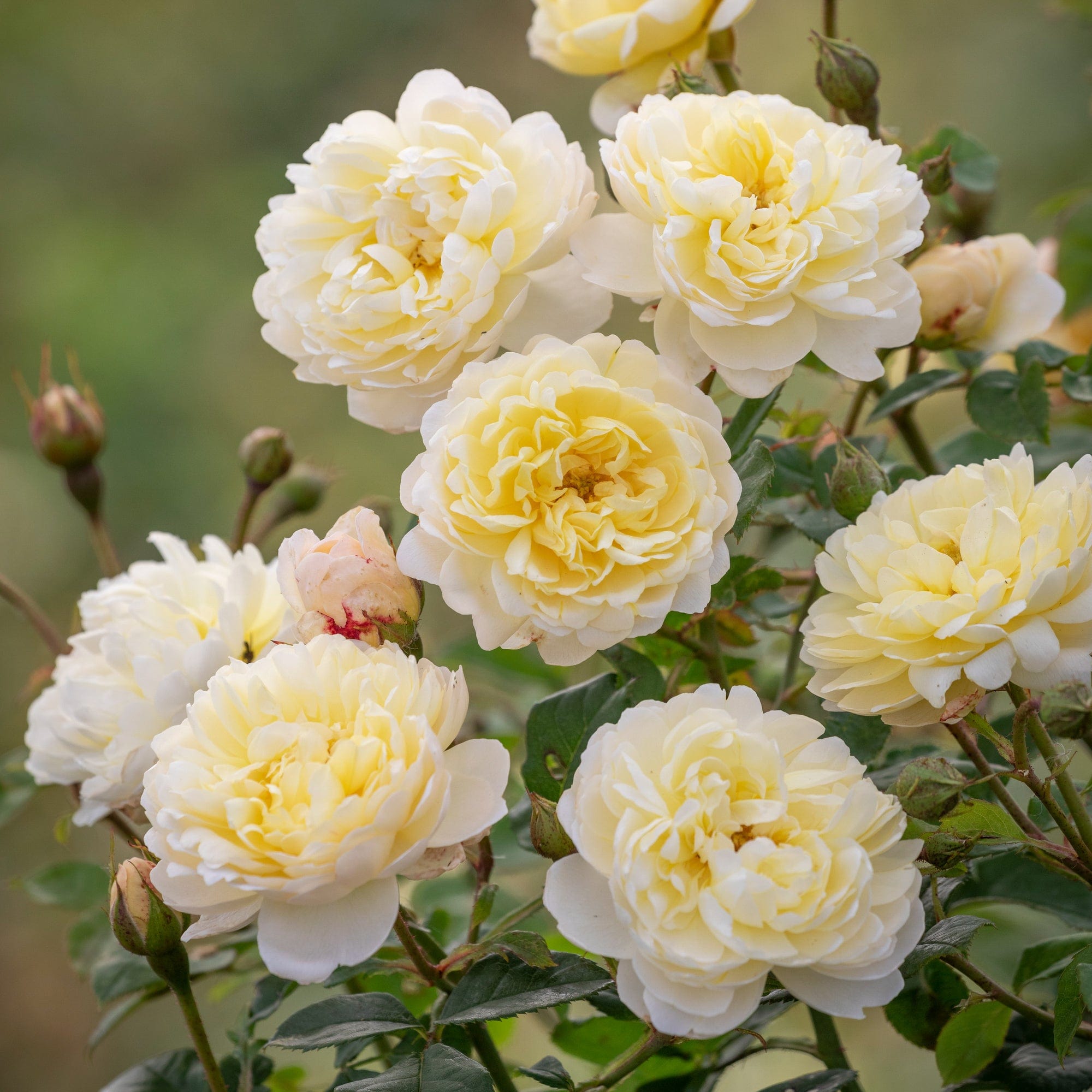
At the same time, the language of flowers lent roses an additional layer of meaning. Each colour and form carried its own sentiment, making roses thoughtful gifts during the season of visiting and celebration. Delicate pinks suggested admiration, deep crimsons conveyed affection, and soft whites symbolised peace and sincerity, a palette well suited to winter gatherings.
Across Europe: Shared Customs and Quiet Echoes
Beyond Britain, roses played their part in diverse winter traditions.
In Germany and Austria, rosehips were widely used in Advent and Christmas decorations and appreciated for their colour and longevity. In France, dried rose petals appeared in winter incense blends, bringing light floral notes to homes scented with woodsmoke. In Italy, folklore celebrated roses as symbols of generosity and simple kindness, qualities associated with the convivial spirit of midwinter.
Though each tradition differed, all shared an instinct to bring traces of summer abundance into winter’s quieter days.
A Contemporary Midwinter Rose
Today, the rose continues to hold a gentle place in festive life. Some gardeners delight in the occasional bloom on a mild December day, while others bring in branches of hips or pot up small roses to brighten a hallway. A rose chosen as a gift carries sentiment into the year ahead, rooting itself into the recipient’s garden and returning, season after season, as a living reminder of the moment it was given.
Perhaps that is why roses have endured in our winter imagination. Even when the garden sleeps, they speak of resilience and renewal. They remind us that light returns, colour returns and the quiet promise held in a bud is never entirely lost to the cold.


-
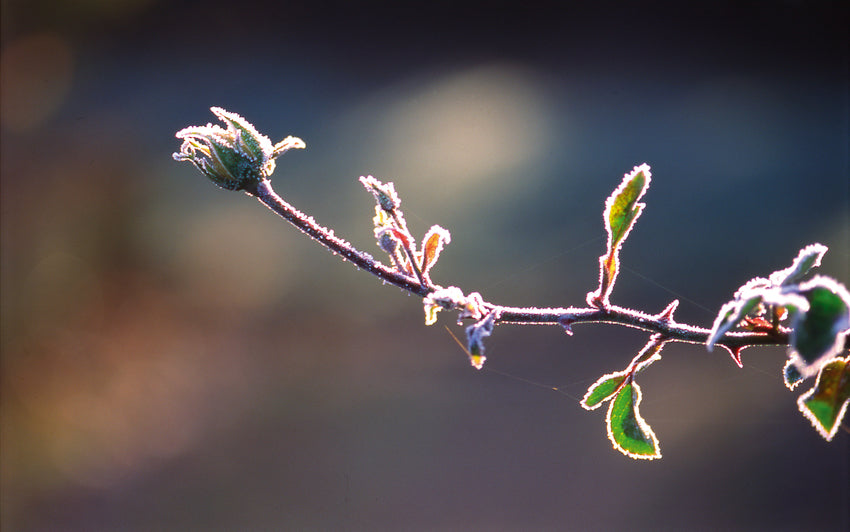
Roses of Christmas Past: Memories from the Victorian GardenIn the stillness of December, when frost feathers the garden and bare branches trace strong silhouettes against pale skies, it is easy to think of another age. A Dickensian Christmas feels close at hand: lantern light on cobbled streets, mist in the air, and behind brick walls and wrought-iron gates, old roses resting through the cold. Though they are bare now, many of the varieties we grow today were already cherished in Victorian times, rooted in gardens that knew the same cold, the same darkness, and the same deep anticipation of return.
-
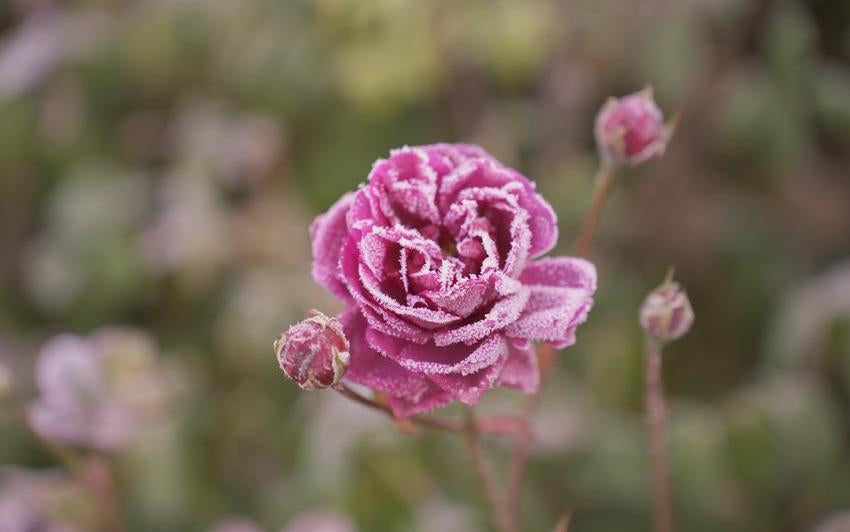
Caring for Roses Through WinterWinter draws a different map across the garden. Borders lose their summer softness, the air grows crisp, and each plant stands in its true form. Roses, perhaps more than anything else, reveal their strength now. Their branches hold the memory of last season’s bloom, and beneath the soil they gather themselves for the next. Looking after them at this time of year becomes less a checklist of jobs and more a steady, reassuring conversation with the season ahead.
-
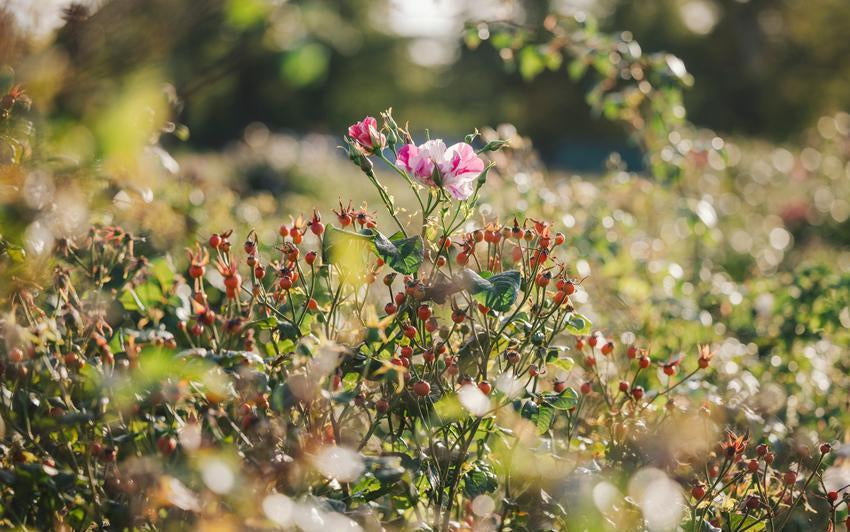
Using Rose Hips for Christmas: Natural Crafts and Winter Garden InspirationAs autumn settles and the days take on a crisp, silvery light, the garden begins to quieten. Blooms fade, leaves fall, and roses offer their final gesture of the year. Their hips, glowing in reds and soft oranges, brighten bare stems like small lanterns and bring warmth to the stillness of the season. These fruits have long carried a nostalgic charm, recalling winter walks, simple festive gatherings and the comforting traditions of Christmas. Rose hips are easy to collect. Choose firm, brightly coloured hips and snip them with a short length of stem attached. A gentle rinse is enough to prepare them for craft or cookery.
-
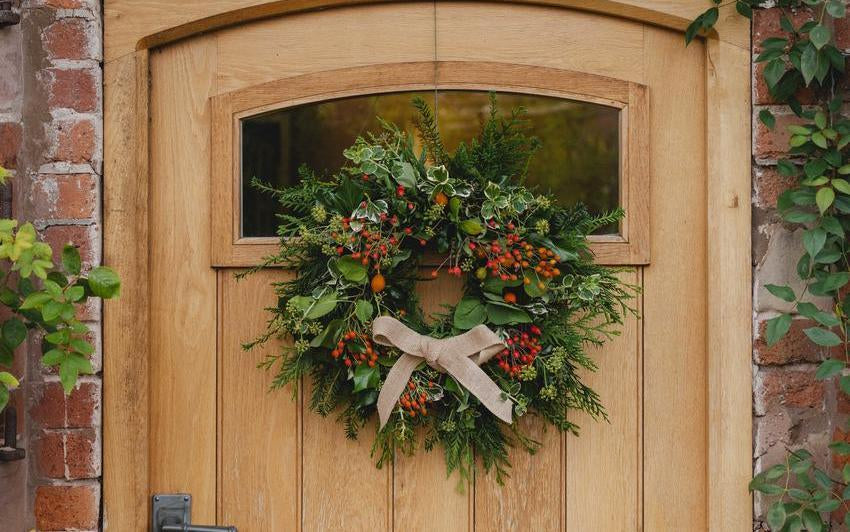
How to Make a Foraged Rose Hip Christmas WreathA winter walk often reveals more than you expect, especially when you start gathering what the season gives you. For generations, people have stepped out into the darker months to collect what the hedgerows have to offer: evergreens, seedheads, berries and, of course, rose hips. A wreath made from these finds feels honest and seasonal, shaped by the garden and the landscape rather than by anything store-bought. It is a small way of bringing winter’s character indoors.
-
The Perfect Gifts for Gardeners this ChristmasAs the garden rests and daylight draws in, Christmas becomes a lovely moment to surprise the gardener in your life with something thoughtful. The right gift can brighten the quieter months and carry the promise of beauty when spring returns and the roses wake again.
-
Caring for Roses Through WinterWinter draws a different map across the garden. Borders lose their summer softness, the air grows crisp, and each plant stands in its true form. Roses, perhaps more than anything else, reveal their strength now. Their branches hold the memory of last season’s bloom, and beneath the soil they gather themselves for the next. Looking after them at this time of year becomes less a checklist of jobs and more a steady, reassuring conversation with the season ahead.
