
How to Grow Healthy Roses Without Chemical Sprays
It is perfectly possible to grow beautiful, healthy roses without routinely using chemical sprays. The key is to concentrate on the health of the rose and the garden around it, rather than trying to prevent every aphid, marked leaf or other sign of nature.
A no-spray approach begins with good growing. Feed your roses well, keep them properly watered, improve the soil and give them enough space to grow. Alongside this, encourage the ladybirds, hoverflies, birds and other garden visitors that naturally help to keep pests in check.
Your roses may not have a perfect leaf at every moment of the season, but they can still grow strongly and flower wonderfully.
Start with a Healthy Rose
The easiest rose to grow without chemical sprays is one that is naturally healthy and well suited to its position.
Choose a vigorous variety and plant it where it will receive plenty of sunlight. Give it enough room to grow without becoming crowded by neighbouring plants. Air moving freely through the foliage helps leaves dry after rain and can make conditions less favourable for diseases such as black spot.
Good soil matters too. Roses are hungry plants, and preparing the ground with plenty of well-rotted organic matter gives the roots a healthy environment from the beginning.
Rather than waiting for problems and then spraying them, the aim is to grow a rose strong enough to cope with the everyday challenges of the garden.

Feed in March
One of the most useful things you can do for your roses happens early in the season.
Feed in March, just as the rose is returning to active growth. At this point it is beginning the considerable task of producing new stems, leaves, buds and flowers.
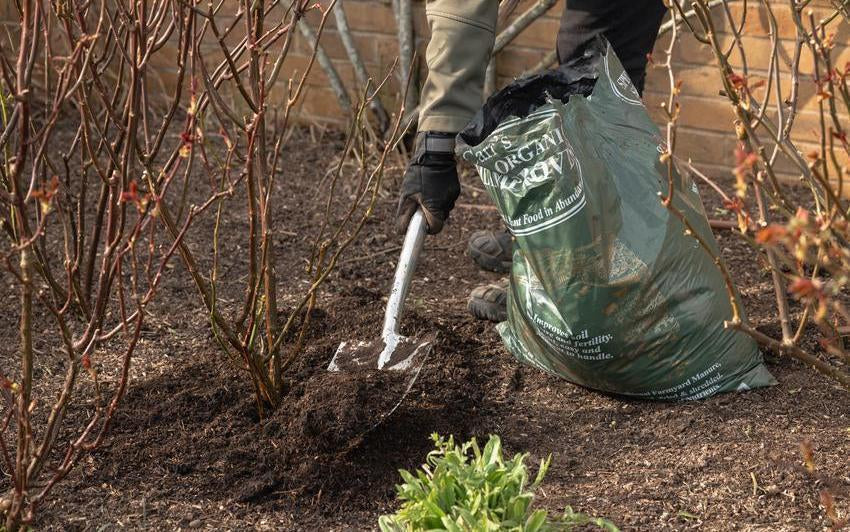
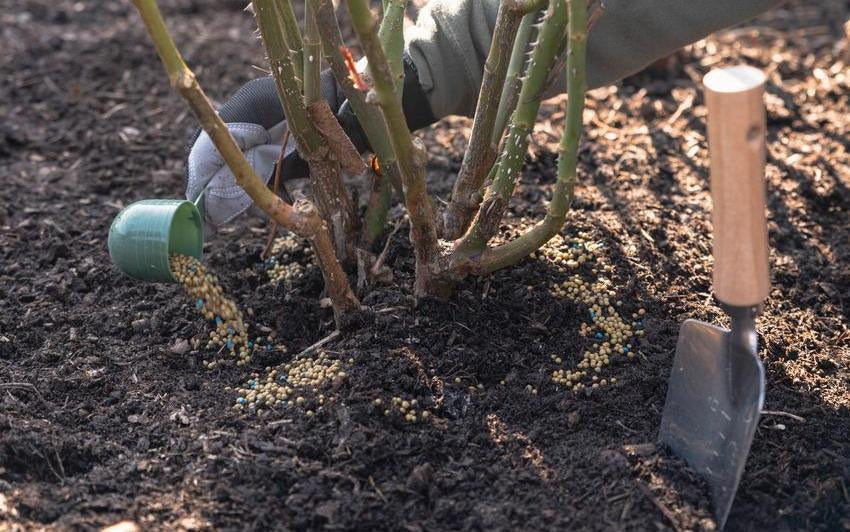
Apply a good quality rose feed around the base of the plant, following the recommended quantity, then mulch with a generous layer of well-rotted manure or garden compost.
Feeding and mulching are particularly important when growing without chemical sprays. A rose that has the nutrients, moisture and healthy soil it needs is better able to produce strong new growth and recover from periods of stress.

Give Roses a Little Support with Liquid Seaweed
Liquid seaweed can also be useful during the growing season.
It is not a pesticide or a treatment for disease. Instead, it can be used to support healthy growth, particularly when a rose has been under stress or has lost some of its foliage.
For example, if black spot causes a rose to shed leaves, liquid seaweed can be used as part of your usual care to encourage the healthy new growth that follows.
Use it according to the instructions on the product and avoid the temptation to overfeed. The aim is steady, healthy growth.
Control Aphids without Insecticides
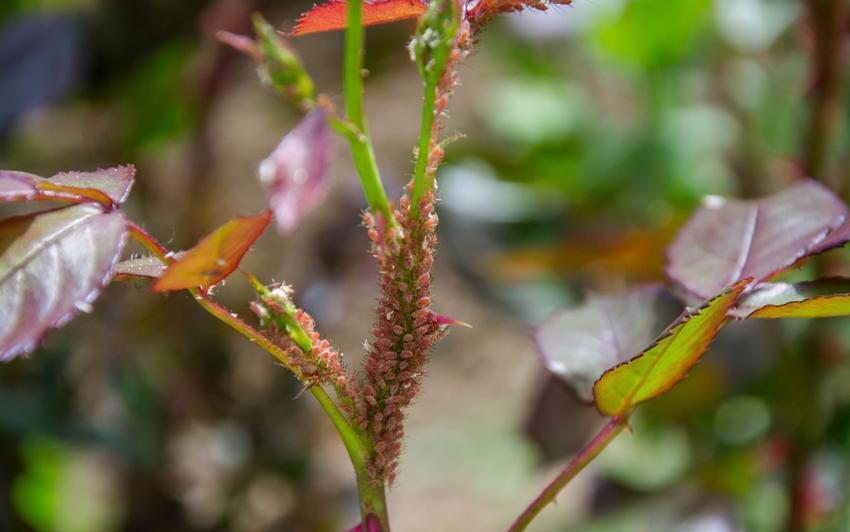
Aphids are a perfectly normal sight on roses, particularly around soft new shoots and developing flower buds.
In a garden where chemical insecticides are not routinely used, they also provide food for many beneficial insects. Ladybirds and their larvae, hoverfly larvae and other natural predators can consume considerable numbers of aphids.
Give them a little time and you may find that an aphid population begins to reduce without your intervention.
Where numbers become particularly heavy, aphids can be rubbed away by hand or dislodged with a firm jet of water.
Growing a varied selection of flowering plants nearby will also help attract beneficial insects and give them the food and habitat they need to remain in the garden.

Manage Black Spot without Fungicides
Black spot can feel more daunting when you decide not to use chemical fungicides, but there is plenty you can do to reduce its impact.
Begin with good hygiene. Remove badly affected leaves where practical and collect fallen rose leaves from beneath the plant. When pruning, remove weak, dead or congested growth so that plenty of air can move through the rose.
Water at the base of the plant rather than over the leaves and apply a fresh mulch around the rose. Mulching benefits the soil and creates a fresh layer over the ground beneath the plant.
If black spot does appear, try not to judge the health of the entire rose by a handful of leaves. Remove the worst affected foliage, continue watering when necessary and support the plant as it produces fresh growth.
A rose can lose leaves to black spot and still go on to flower beautifully.
Make Natural Pest Control Part of the Garden
One of the great advantages of avoiding chemical sprays is that beneficial insects are left unharmed.
Ladybirds, hoverflies and other predatory insects all have a part to play in controlling pests. Birds will also search amongst rose stems and foliage for insects.
You can encourage them by planting a mixture of flowering plants around your roses, particularly those with simple, open flowers that make pollen and nectar easy to reach. Aim for a succession of flowers through the season so there is always something available.
This does not mean there will never be pests. There will be. But rather than trying to remove every insect from a rose, you are allowing a more natural balance to establish.
Accept the Occasional Imperfect Leaf
Growing roses without chemical sprays requires a slightly different idea of what a healthy rose looks like.
There may be an aphid on a shoot. A caterpillar might nibble the edge of a leaf. Later in the season, you may find some black spot amongst otherwise healthy foliage.
None of these things necessarily means the rose is unhealthy.
Feed in March, mulch well, water deeply in dry weather and use liquid seaweed when your roses need a little extra support. Prune to maintain healthy, open plants, remove badly affected foliage and make space for the wildlife that helps keep pests under control.
The aim is not a rose untouched by nature. It is a strong, healthy rose growing happily within it.
-
The Arrival of Aphids: Friends or Foes to Your English Roses?As the days grow longer and the warmth of spring fills the air, your roses begin to come back to life. But with the change in season, you might notice some tiny visitors on your plants – aphids.
-
Spider Mites on Roses: Meet the Tiny Pest That Loves Your RosesTiny, elusive and surprisingly hungry, spider mites are one of the most common pests to appear on roses during warm, dry weather. Although they're difficult to spot, the damage they leave behind is much easier to recognise. Fortunately, once you know what to look for, they're straightforward to manage, especially when caught early.
-
Caring for Your Garden from the Ground Up: The Lasting Benefits of MulchingIn any well-loved garden, the thoughtful tasks often have the most impact. Among them, mulching stands out as a simple yet powerful way to care for both your plants and the soil beneath them. Beyond its practical benefits, mulching reflects the gardener’s instinct to nurture, protect, and encourage healthy growth with every passing season.
-
Why Are My Rose Leaves Turning Yellow? How to Decode and Fix Your Plant's FoliageThere is nothing quite like the sudden panic of walking out to your garden coffee in hand and noticing your prized rose bush looks completely washed out. One day it is a picture of lush green health, and the next, a scattering of bright yellow leaves makes it look like autumn arrived early. If you are staring at your plants right now wondering what went wrong, take a deep breath.
-
Rose Feeds Explained: Choosing and Using the Right Feed for Your English RosesCaring for English Roses is as much about understanding their needs as it is about admiring their beauty. With the right nourishment at the right time, roses grow with greater strength, produce more abundant blooms, and remain resilient through the changing seasons.
-
The Basics of Growing RosesRoses bring a quiet happiness to a garden. Their beauty feels effortless once they are settled, and even a new gardener can grow them with success. With sunlight, sound soil, and a little seasonal care, roses will flower generously and become dependable companions through the year.