

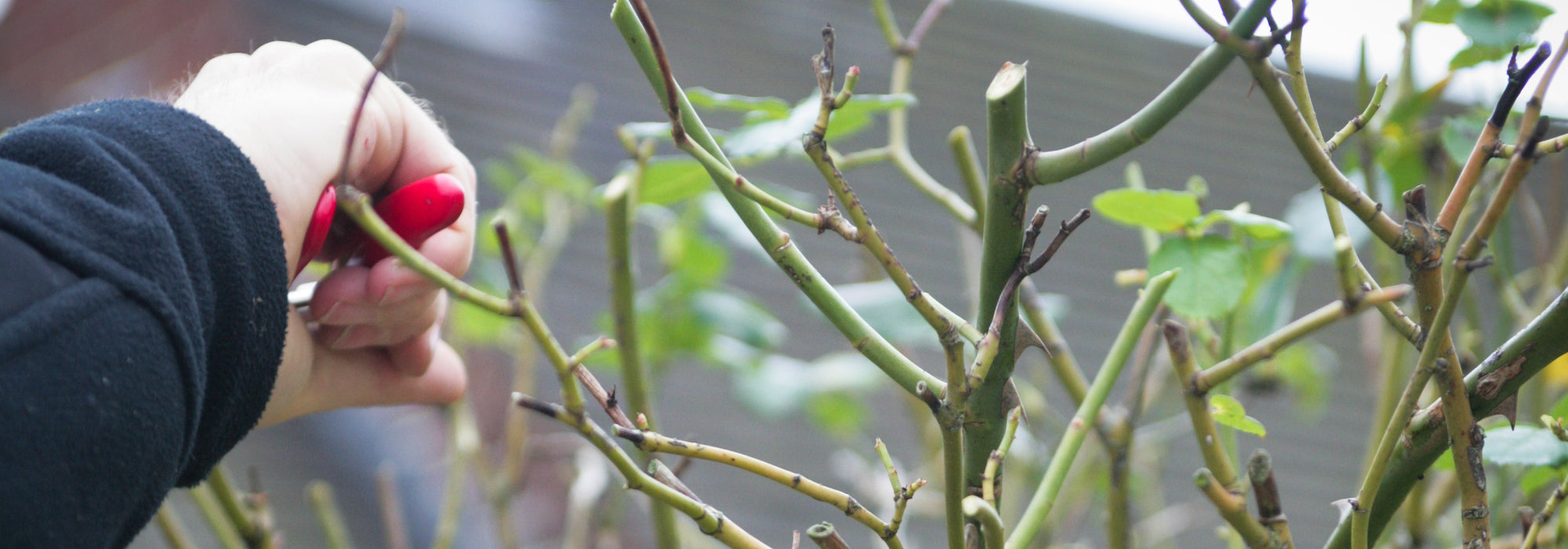
How to Prune Standard Roses
Standard Tree Roses bring a particular elegance to the garden. Their blooms are held aloft, turning borders and containers into something more structured and refined. Because the flowering head sits high above the ground, its outline becomes part of the garden’s architecture, which makes pruning especially important.
Our Standard Tree Roses are repeat-flowering shrub roses grafted onto a clear stem. That means they are pruned in the same way as a repeat-flowering shrub rose, with a few additional considerations to maintain the rounded “tree” shape.
If pruning feels daunting, take comfort in this. Roses are resilient. You will not kill a rose by pruning it imperfectly. These guidelines are simply here to help you get the best possible display.
Pruning helps your Standard Tree Rose stay healthy, shapely, and floriferous. Done well, it will:
- Encourage plentiful flowering
- Stimulate strong new growth
- Reduce congestion and improve airflow
- Keep the head within bounds and nicely balanced
- Maintain the neat, rounded outline that makes Standard Tree Roses so distinctive
Essentials
- A pair of secateurs and holster
It is worth sterilising secateurs from time to time, particularly if you are removing diseased growth, as this helps prevent spreading infection from one plant to another.g infection from one plant to another.
- Gloves
Optional
- Long-handled loppers (for thicker stems)
- Pruning saw (for old, thick stems)
- Ladder (if the head is high)
- A wheelbarrow or bucket (to gather old leaves and pruned stems)
- Steriliser for secateurs
The main prune is best carried out while the rose is dormant, usually between January and February.
In exposed gardens, it can also help to shorten growth slightly before winter, especially if the head has become tall or uneven. This reduces wind resistance and helps prevent wind rock, which can loosen the rose in the soil.
If you prune late and your rose has begun to shoot, it is still fine to prune, ideally before the rose has fully leafed up. Late pruning may delay flowering slightly, but the rose will respond well.
A Word About Technique
- Do not worry too much about the exact position of each cut. A clean cut matters more than perfect precision.
- It is not essential to cut at an angle.
- When finished, the head of the rose will look much smaller and barer. This is normal, and spring growth will quickly rebuild the shape.
- Dispose of leaves and prunings. Do not compost them, as disease spores can reinfect the plant.
Year One: After the First Season of Flowering
At this stage the rose is still establishing its roots, so pruning should be light.
Begin by removing any remaining foliage. Then reduce the head of the rose so all stems sit at a similar height, leaving 12 to 18 inches (30 to 46cm) of growth from the grafted head.
Remove the “Four Ds”:
- Dead
- Dying
- Damaged
- Diseased
Finally, clear up thoroughly beneath the rose, removing fallen leaves and pruned stems and disposing of them.
This light pruning helps the rose keep its shape and encourages strong basal shoots within the head.
Year Two: Building a Strong Framework
In year two, your Standard Tree Rose begins to build a fuller head, though it is still developing strength.
Reduce the overall head by around half, shortening long stems so the shape remains balanced. Varieties that naturally grow larger can be reduced a little less.
Remove the “Four Ds”, then remove any weak, spindly growth. A simple test helps here: if the tip of a stem bends easily, it is unlikely to support flowers well and can be removed.
Aim to keep the centre open enough for air to move through, rather than allowing the head to become crowded.
Remove remaining foliage and clear the ground beneath the rose.
Year Three and Beyond: Shaping and Maintaining
By year three, the rose will be well formed, and the pruning becomes more flexible.
At this stage you can decide how much height to retain:
- For a slightly larger head, reduce by around one third
- To maintain size, reduce by around one half
- To reduce size more firmly, prune back further
As you prune, focus on maintaining the rounded head shape. Not every stem needs to be cut to the same length, but the finished outline should look balanced.
Remove unhealthy stems, take out weak growth, and if the head has become congested, remove a few older stems entirely to improve airflow and encourage fresh new growth.
Shaping a Standard Tree Rose
Shaping is what gives a Standard Tree Rose its character.
To maintain a rounded “tree” outline:
- Prune slightly shorter around the outside
- Leave the centre slightly taller
This creates a gentle dome shape and helps flowering sit evenly across the head, rather than only on top.
If your rose has become lop-sided or has a gap, you can encourage new growth in the right direction by pruning above a bud that faces where you would like the new shoot to grow.
After flowering, a light tidy and shaping prune will help keep the rose looking neat through the season.
Watch for Shoots on the Stem
A key point with Standard Tree Roses is to watch for shoots growing from the clear stem below the head.
These should be removed as soon as they appear, as they divert energy away from the flowering head and can spoil the tree shape.
Remove them promptly, right back to the stem.
The Season Ahead
Once pruned, the head of your Standard Tree Rose should feel balanced and open, with a strong framework ready to break evenly into growth. As spring arrives, new shoots will appear across the head, quickly restoring fullness, and flowering will follow in a generous, well-shaped display held above the garden like a living bouquet.

How to Plant Bare Root Standard Roses: Step-by-Step
Learn more


-
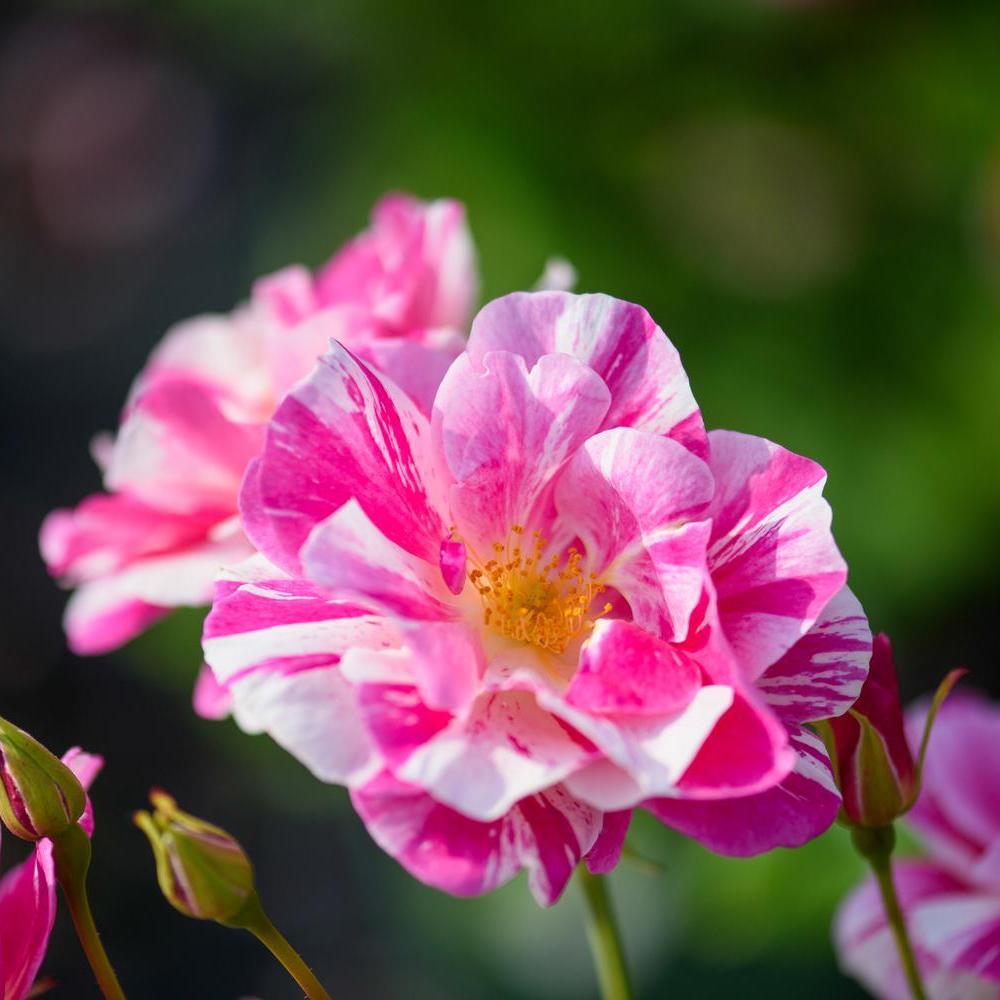
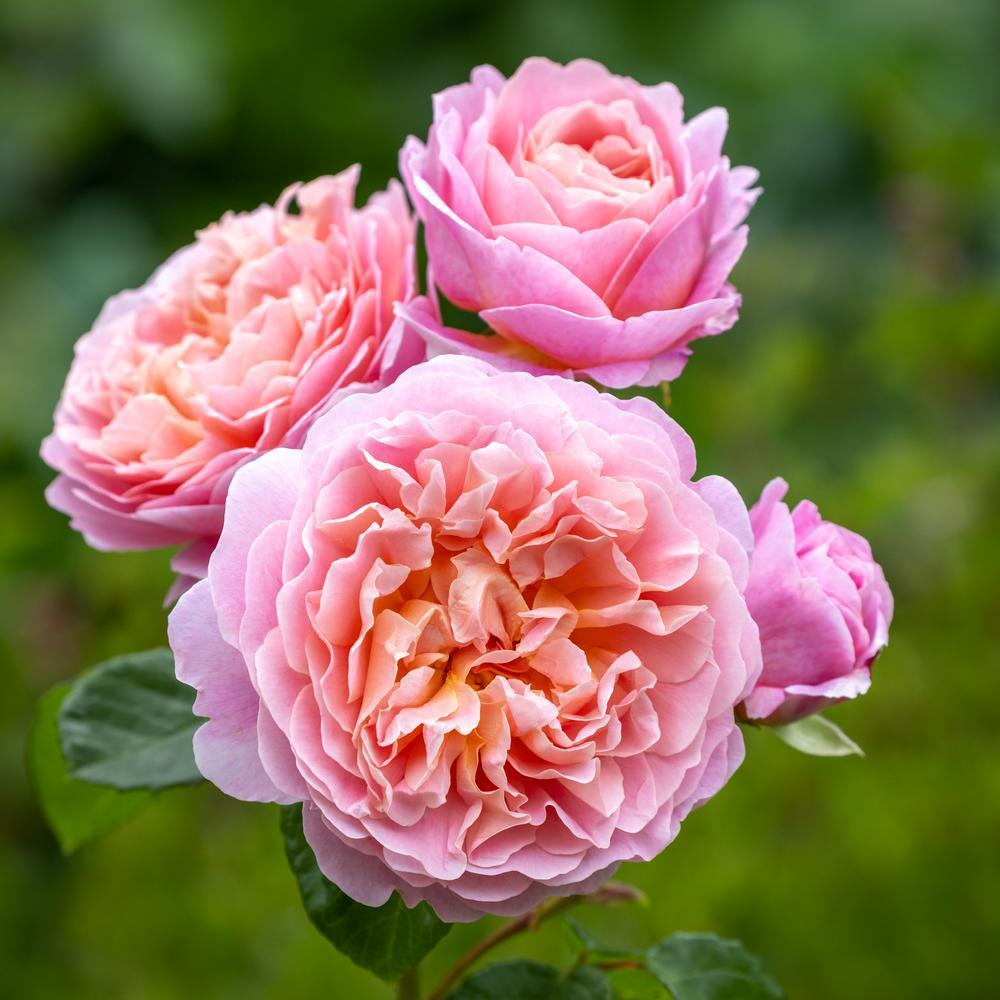
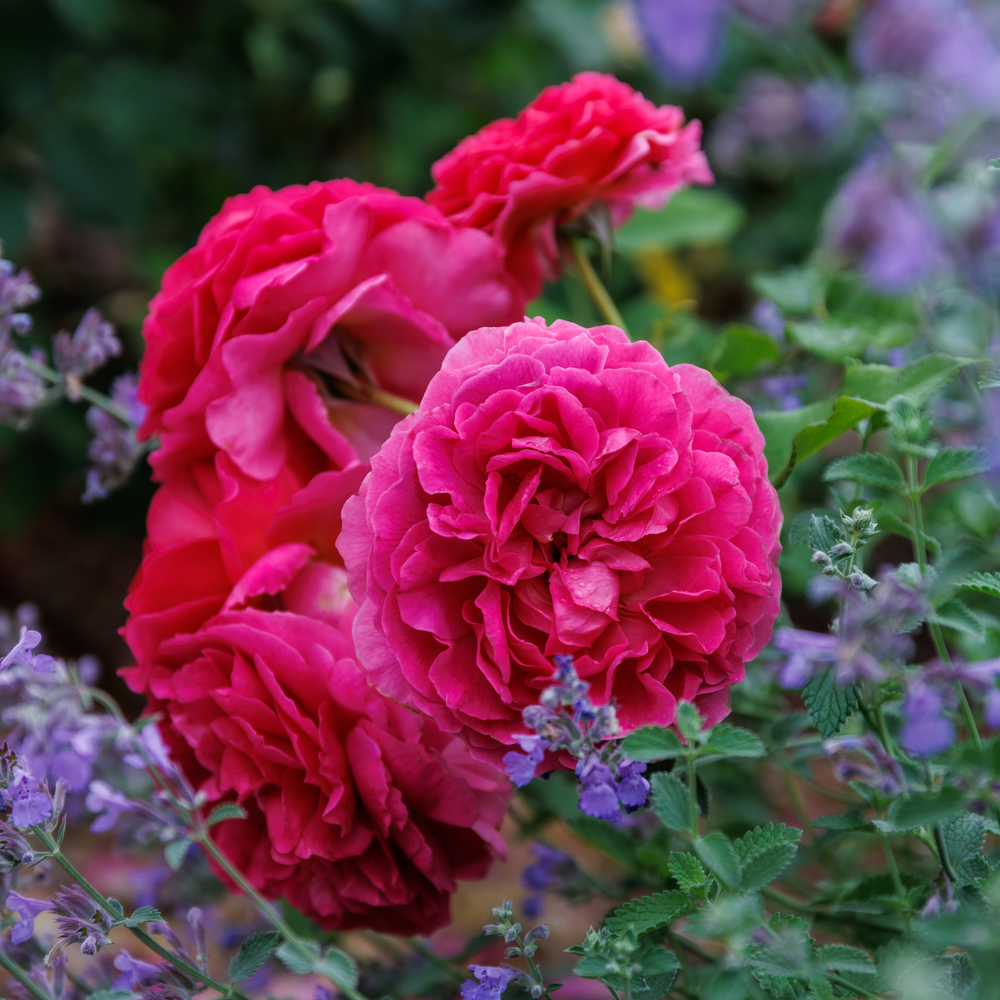
Pruning Roses: A Guide for the Season AheadPruning is one of the most rewarding jobs you can do for your roses. It brings shape and structure to the plant, refreshes it for the season ahead, and helps encourage a generous display of flowers.
-
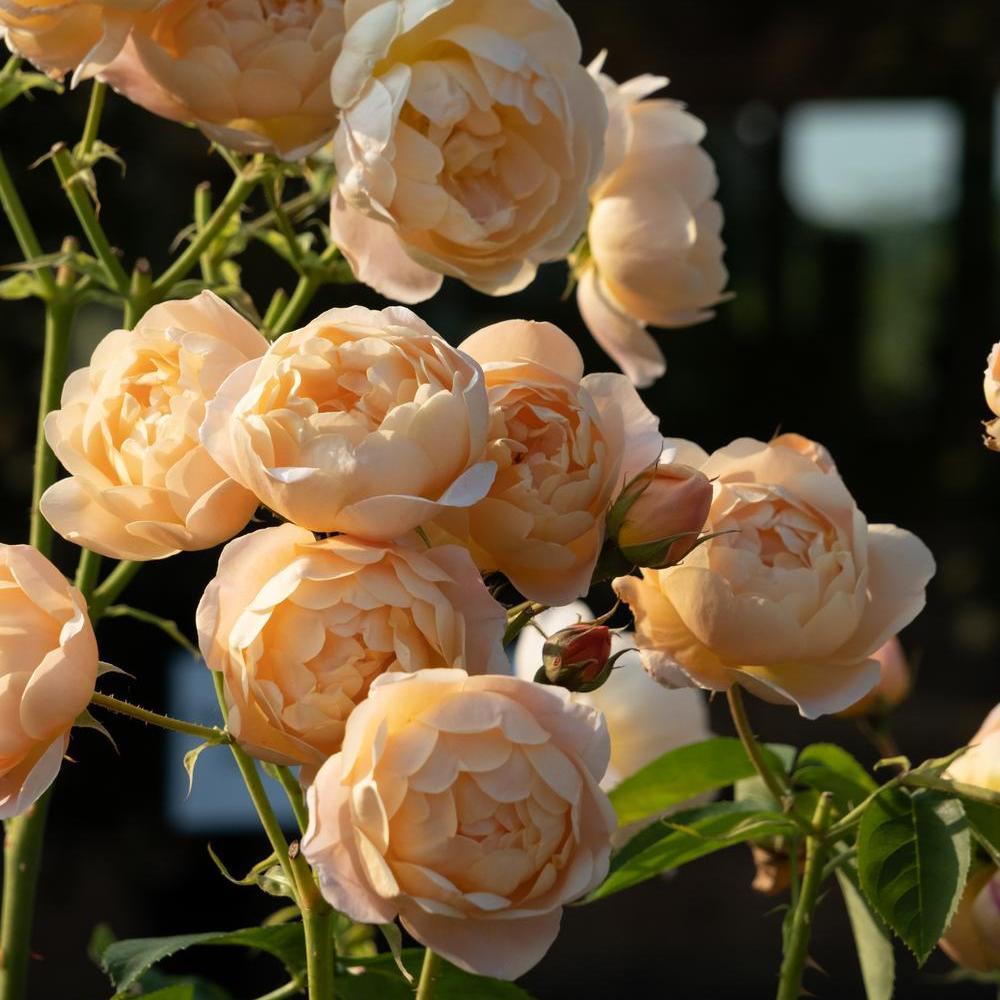
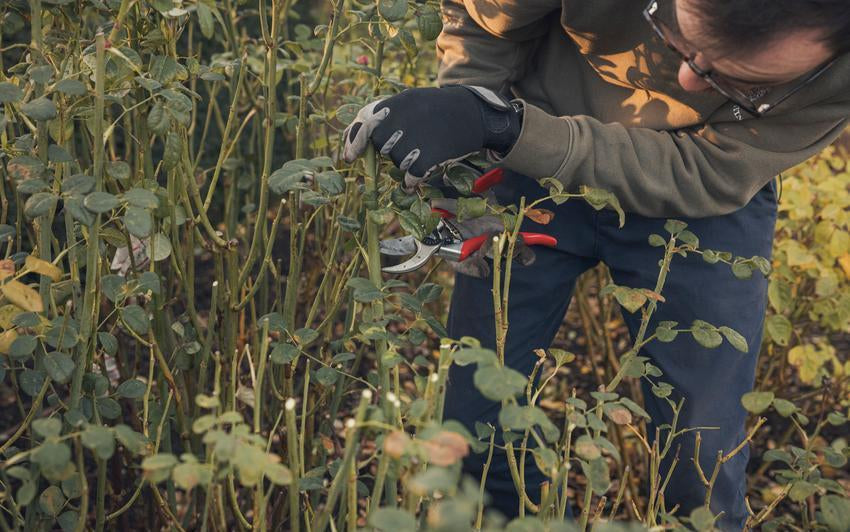
How to Prune Repeat Flowering Shrub RosesIn winter, the garden shows its bones. Beds are quieter, borders are pared back, and shrubs stand in their true shape. Roses too reveal themselves at this time of year, and although it may seem as though little is happening, the plant is already preparing for the season to come.
-
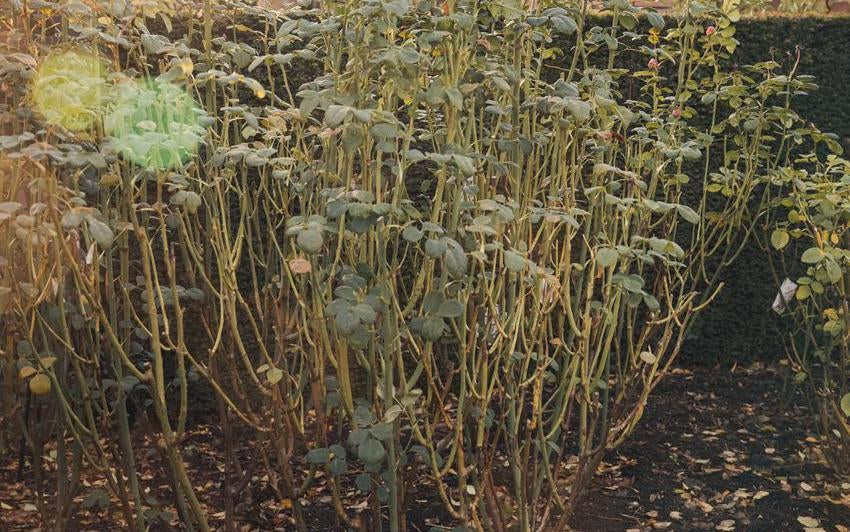
How to Prune English Roses in Pots and ContainersAn English Rose in a container is one of the garden’s greatest luxuries. Whether placed beside a front door, on a terrace, or nestled into a paved courtyard, a potted rose brings perfume and flower close at hand, not at a distance, but right where it can be enjoyed daily.
-
Pruning Roses In April? Here's What You Should Know FirstAs April arrives and your garden begins to stir, you might find yourself wondering, Is it too late to prune my roses? Maybe winter slipped by and you didn’t get to it, or perhaps you're simply not sure when the right time is. If you're looking for a bit of reassurance, you're not alone.
-
Once-Flowering Roses: A Guide to PruningOnce-flowering roses carry an air of tradition, a reminder of old gardens where their brief but magnificent display was the highlight of summer. They bloom on wood made the year before, so pruning them is a matter of patience and respect for their natural rhythm.
-
Liquid error (snippets/image line 25): invalid url input
