
- The Basics of Growing Roses
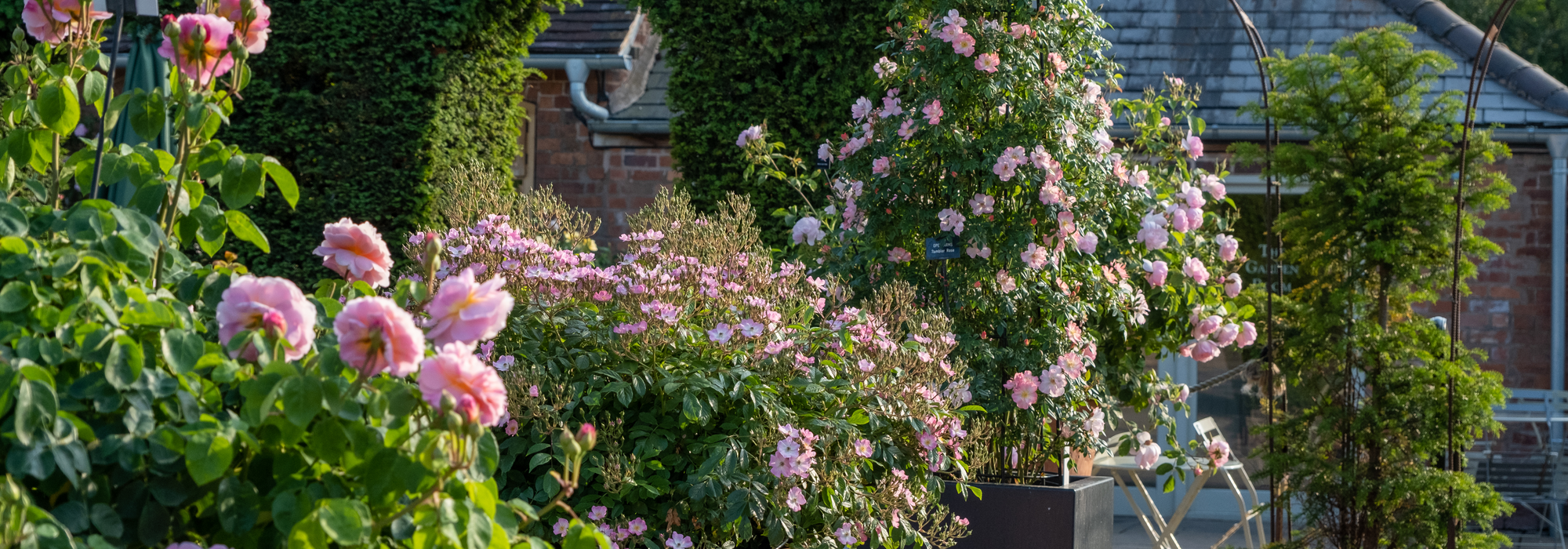
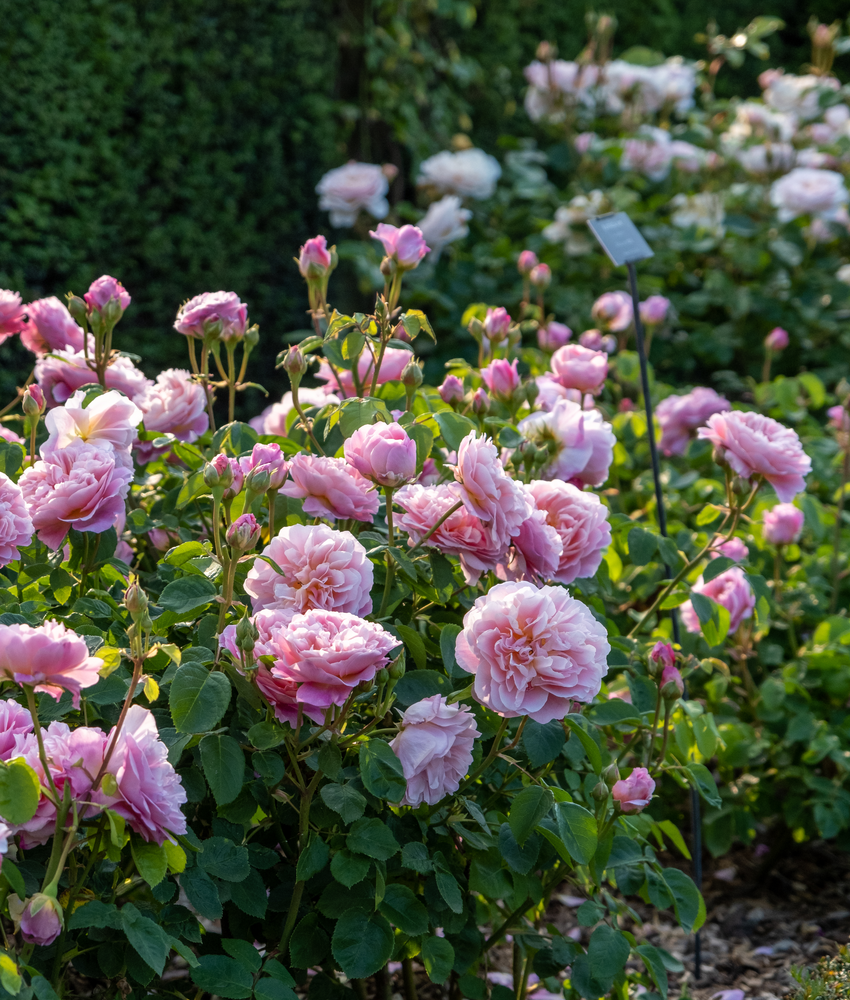
Roses bring a quiet happiness to a garden. Their beauty feels effortless once they are settled, and even a new gardener can grow them with success. With sunlight, sound soil, and a little seasonal care, roses will flower generously and become dependable companions through the year.
How to Plant Roses
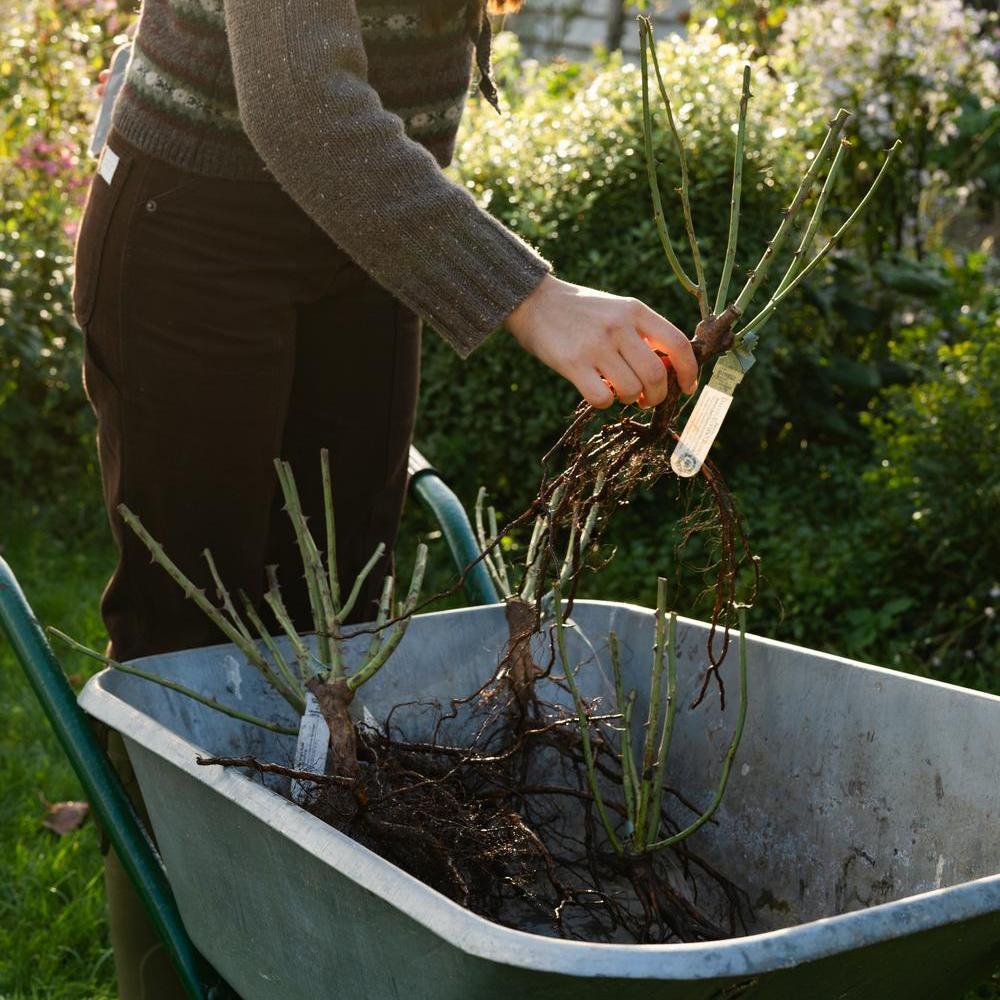
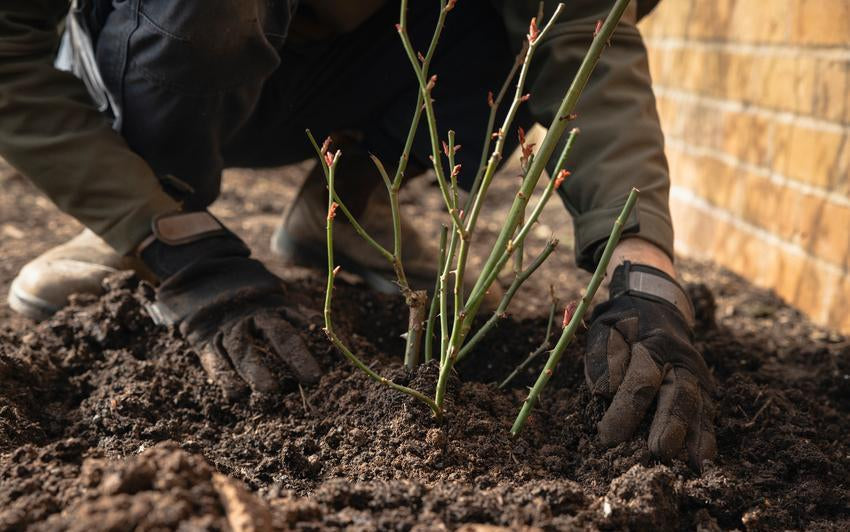
Roses are usually sold either bare root or in pots. Bare root roses are planted from late autumn to early spring while they are resting. With no foliage to support, they concentrate on growing roots and establish themselves strongly before the warmth of spring arrives. Potted roses can be planted at most times of year and suit those who like to choose plants already in leaf or bloom. Water well before and after planting to help them adjust to their new home.
Try not to plant them in frozen soil, in waterlogged ground, or in very dry conditions. If the soil works easily in your hands, crumbles rather than smears, and you feel comfortable digging, the conditions are usually right.
-
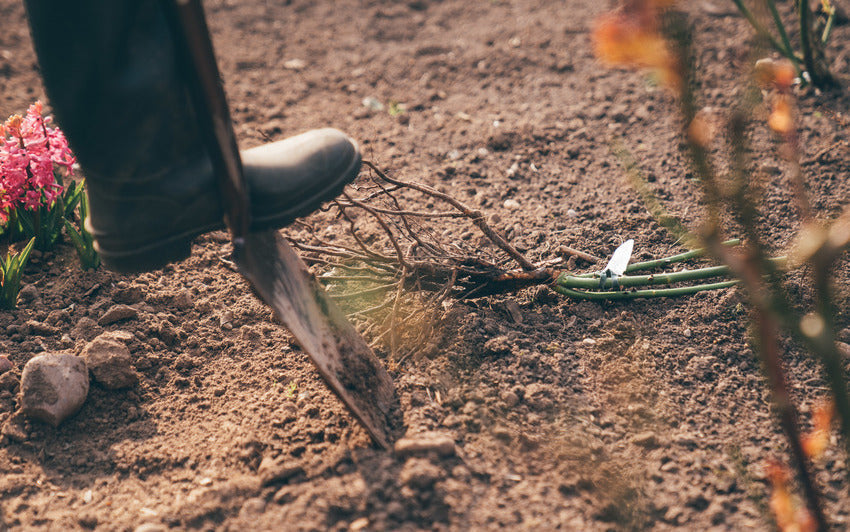
Planting Bare Root Shrub Roses in the Ground: Step-by-StepBare root shrub roses are a gardener’s delight, offering a traditional, sustainable, and rewarding way to add colour and fragrance to your garden. Delivered simply as stems and roots, they are designed to work in harmony with the seasons. Planted in autumn through to spring, they settle naturally into the soil over the colder months, ready to burst into life and reward you with blooms the following year. Easy to handle, they are a dependable choice for both new and experienced gardeners.
-
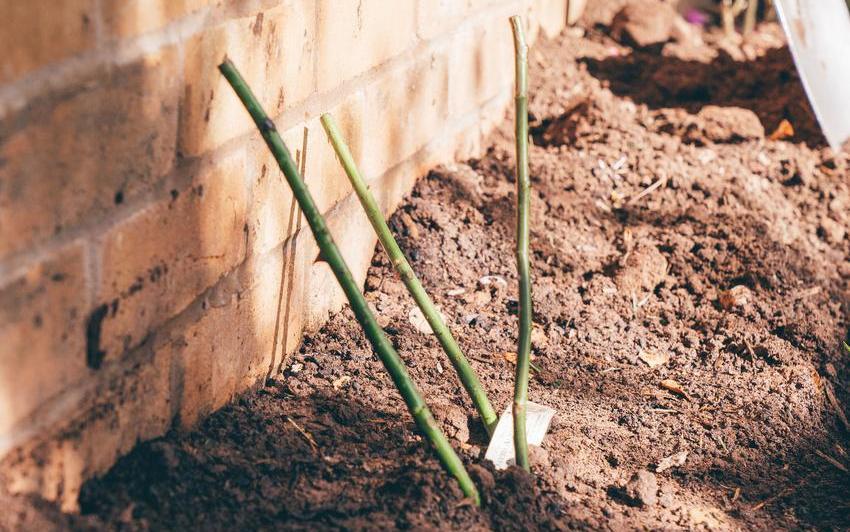
Planting Bare Root Climbing and Rambler Roses in the Ground: Step-by-StepBare root climbing and rambling roses bring both structure and romance to the garden, offering a traditional and sustainable way to cover walls, fences, and arches with abundant blooms. Planted between autumn and early spring, these roses establish naturally through the cooler months, ready to send out vigorous new shoots when warmth returns. With a little preparation and care, they will reward you for many years with graceful growth and exquisite fragrance.
-
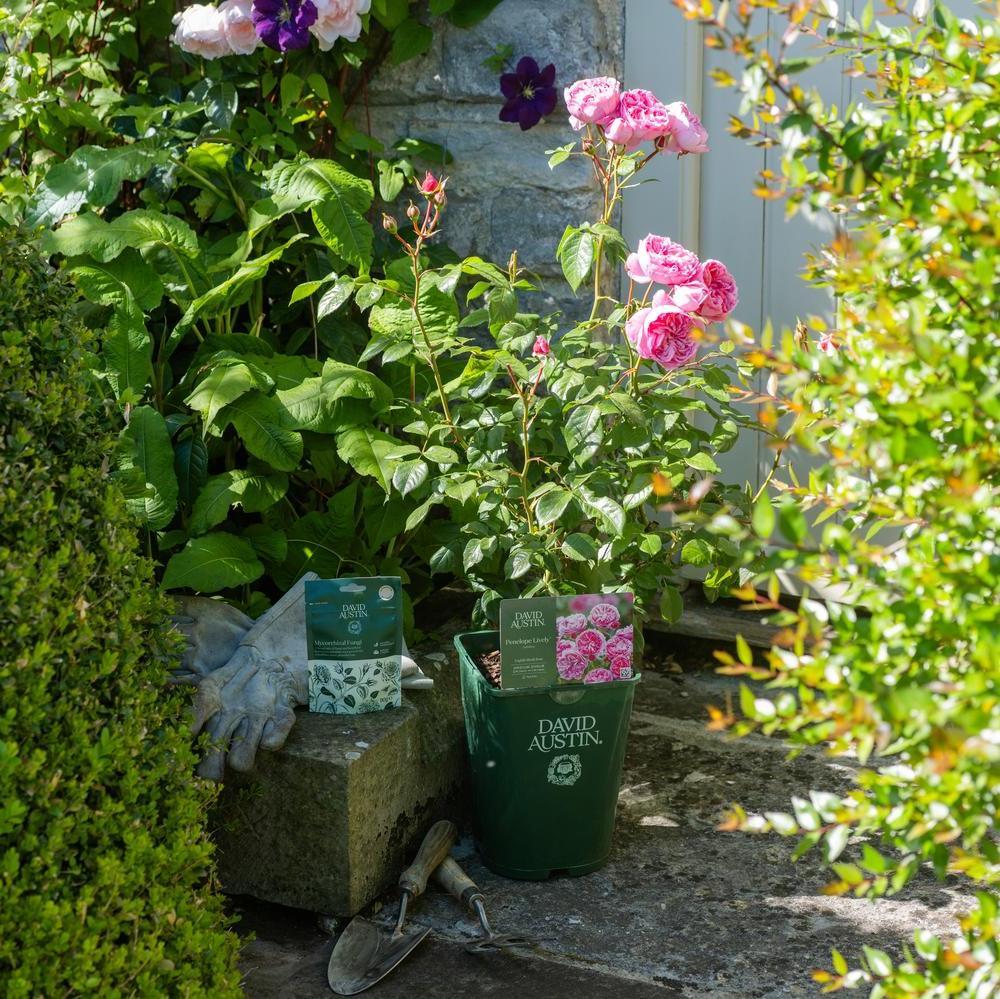
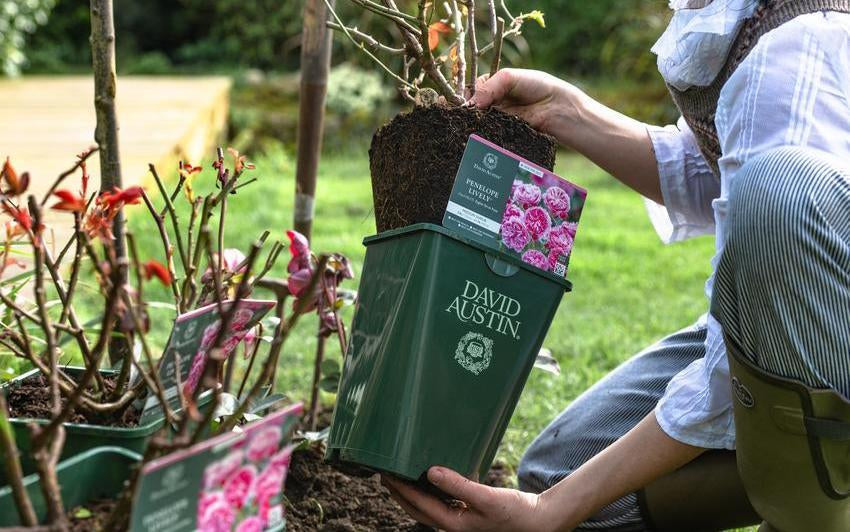
How to Plant a Potted Shrub Rose: Step-by-StepPlanting a potted shrub rose in the ground is one of the simplest ways to enrich a garden with beauty, fragrance and seasonal interest. Given a suitable position, it will settle naturally into its surroundings and bring pleasure with every passing year.
-
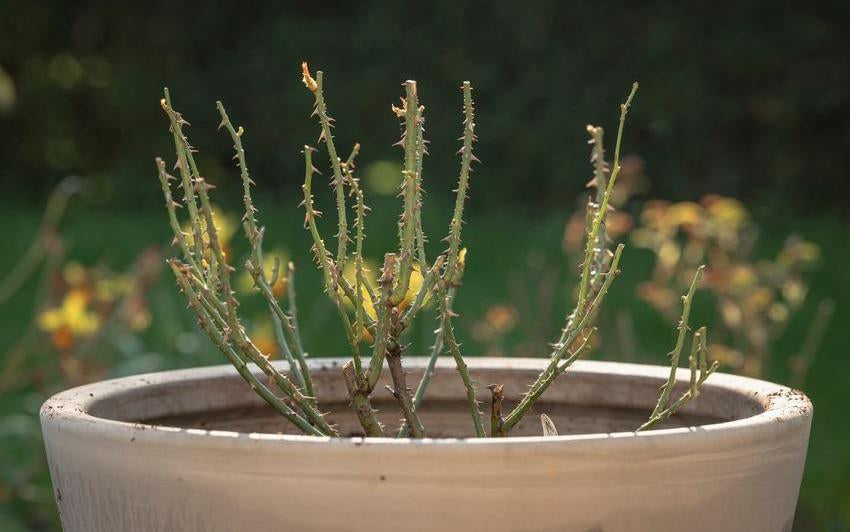
Planting Potted Shrub Roses in a Pot: Step-by-StepPlanting a rose in a pot is both versatile and deeply rewarding. It allows you to create moments of beauty wherever space allows, whether in a generous garden or a small, sunlit corner. With a little care at the outset, your shrub rose will settle with ease and grow into a balanced, free-flowering plant.
-
How to Plant a Potted Climbing Rose: Step-by-StepBy following these simple steps, you will ensure your potted climbing rose gets off to the very best start, helping it settle beautifully into the ground and establish the strong, healthy framework needed for years of abundant growth and flowers.
Choosing the Right Place
Sunlight is the most important gift you can give a rose. Most varieties flower best with at least four hours of direct sun each day. In lighter shade they will still grow, often with a little fewer blooms, but good soil and feeding can help them perform well even there.
Allow your rose some room to breathe. Spacing plants so that air can move through the foliage helps to keep leaves dry after rain and reduces disease. Think of the plant not as it looks today, but as the mature shrub it will become in a few summers. A position out of the worst winds is also helpful, as strong gusts can rock new plants before their roots have taken hold. Firm the soil in carefully after planting and, if you garden in a very exposed spot, a temporary stake can give reassurance until the roots anchor themselves.
Preparing the Ground
Roses are not demanding about soil but they thrive when it is enriched. Dig a generous hole and mix in compost or well rotted manure. This improves both structure and moisture retention. The soil should drain freely. If water tends to sit, lighten it with more organic matter. Plant your rose so that it sits comfortably in the ground, firm but not buried too deeply, as though you were tucking someone in for rest.
Caring Through the Seasons
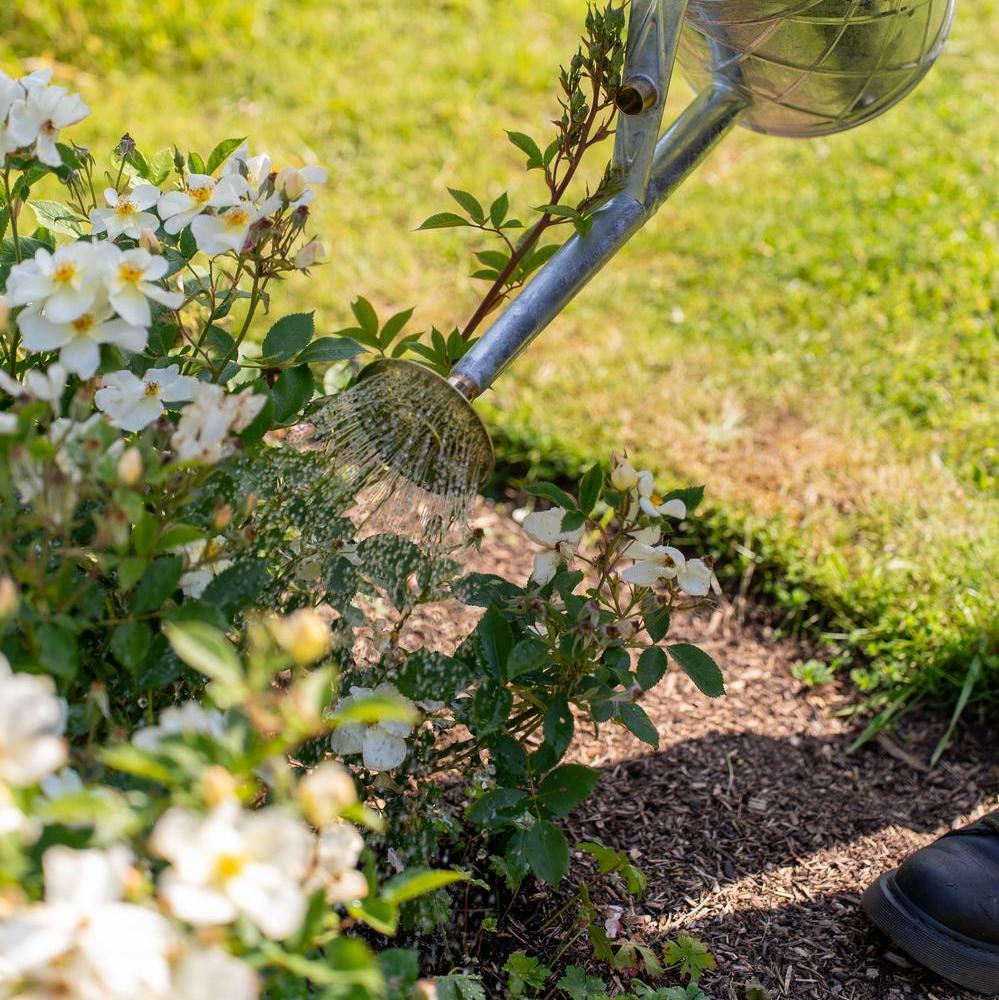
Watering is simple once you know the principle. Give roses a good soak, then leave them to draw from that reserve. Deep watering encourages deep roots, which in turn strengthens the plant in hot weather. Morning watering is best, allowing leaves to dry naturally as the day warms.
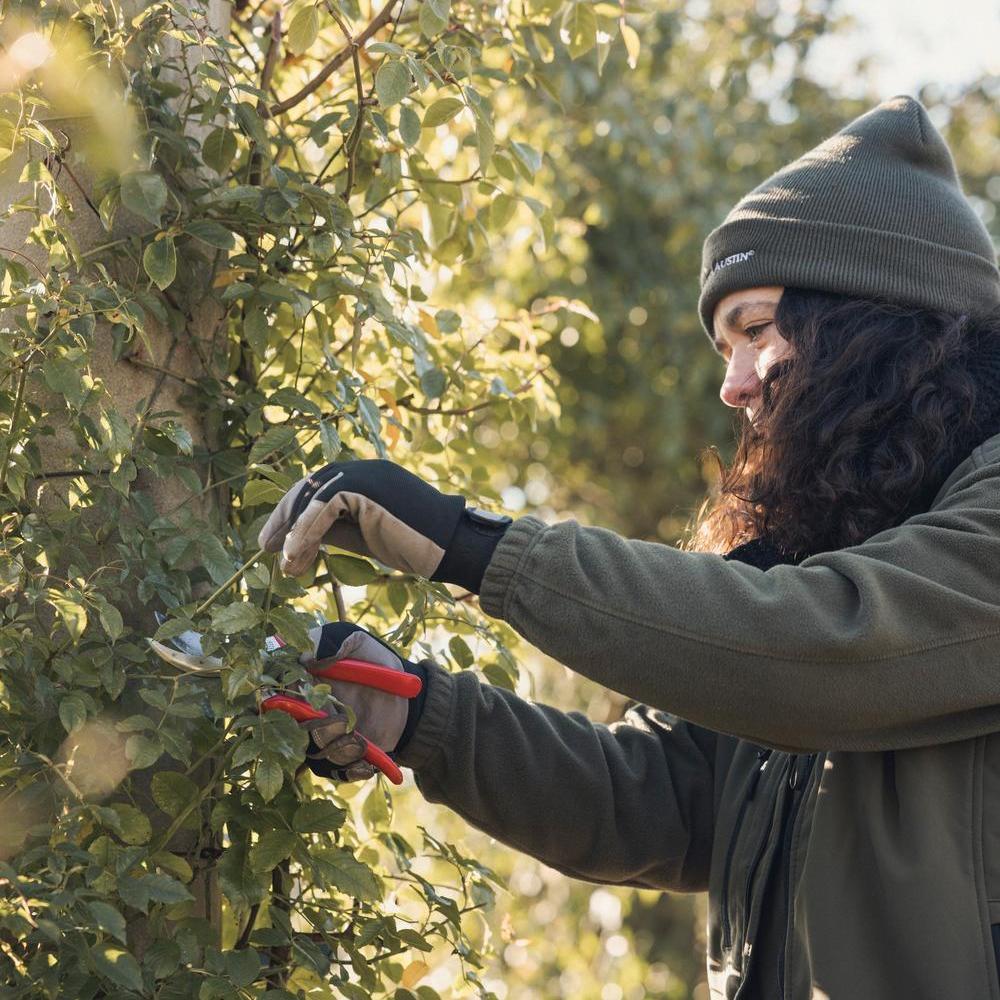
Pruning helps roses renew themselves. In late winter or early spring remove anything that is obviously dead, diseased, or rubbing. Then shorten the remaining stems to shape the plant and allow light to reach its centre. Climbing roses prefer guidance rather than heavy cutting. Tie in new shoots so they spread evenly and they will flower along their length.
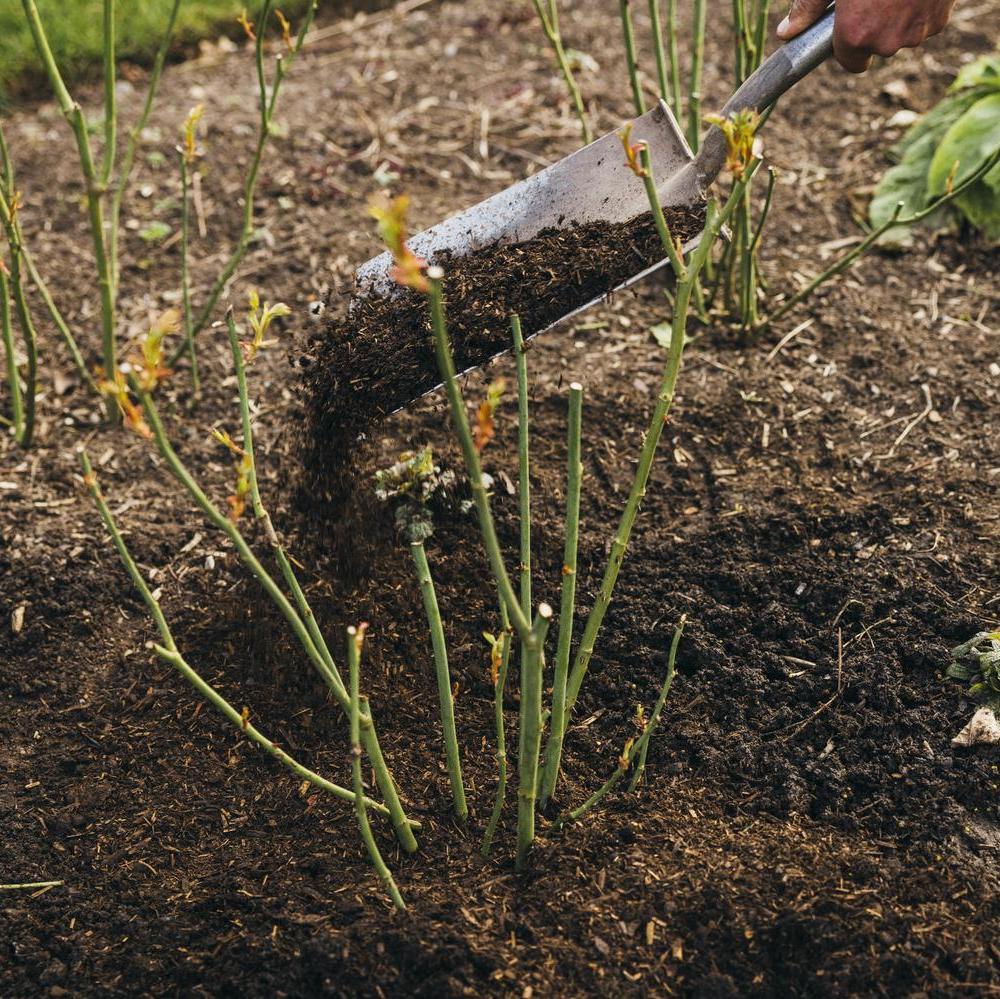
Feeding supports their energy. A feed in spring encourages fresh growth, and another in midsummer helps repeat flowering varieties. Mulch placed around the base of the plant keeps moisture in the soil and nourishes it as it breaks down. Through the summer months, removing faded blooms is a small, satisfying task that often invites fresh flowers to replace them.

Pests and Diseases
Aphids, caterpillars, black spot, rust, and mildew are all familiar visitors in rose gardens. Most are signs that conditions have favoured them for a moment. Early, calm observation is your best tool. Aphids can be rubbed away or washed off. Fallen leaves should be cleared so disease has nowhere to linger. Water the soil rather than the leaves and let air move through the plant. Well fed, well spaced roses growing in living soil are naturally more resilient than those under stress.
-
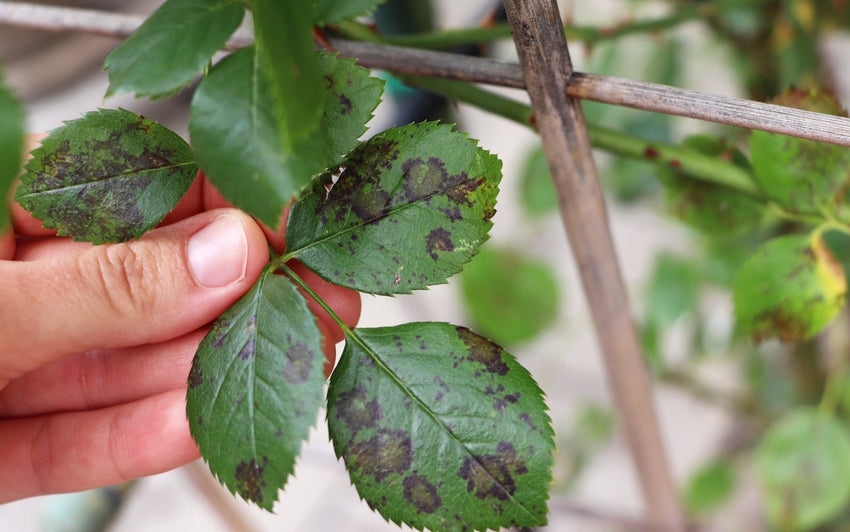
How to Tell Downy Mildew and Blackspot Apart on Your RosesRoses sometimes show signs of illness that can be easy to mistake for one another. Two common problems are downy mildew and blackspot. Both affect foliage and can weaken the plant, yet they present differently and thrive under distinct conditions. Recognising these differences allows gardeners to respond appropriately and preserve the health and beauty of their roses.
-
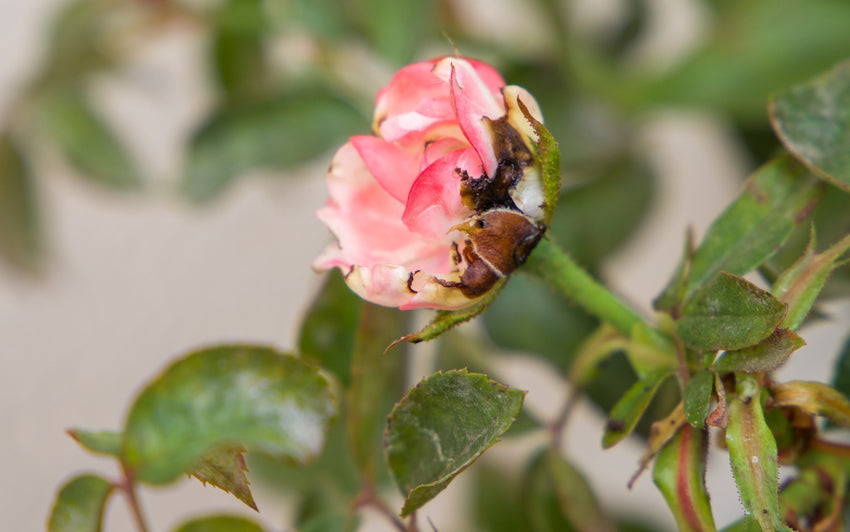
When Buds Refuse to Bloom: A Gardener's Encounter with ThripsIt begins quietly. You’re walking the garden in the early morning, coffee in hand, admiring the swell of buds after a warm spell. Everything looks as it should, until your eye catches one that seems reluctant to open. The petals are puckered, almost as if they’ve been pinched, and their edges are tinged with a strange brown. A day or two later, another bud does the same. Then a third.
-
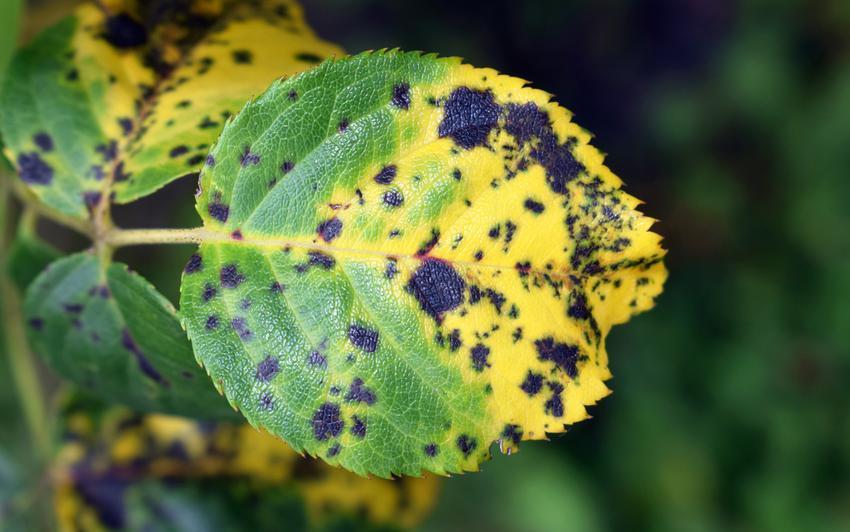
The Truth About Blackspot: A Guide to Keeping Your Roses HealthyIf you grow roses, you’ve likely heard about blackspot, that pesky fungal troublemaker that loves to spoil even the most beautiful bushes. It’s one of the most common problems gardeners face, and while it doesn’t kill your roses outright, it can really take the wind out of their sails if left unchecked.
-
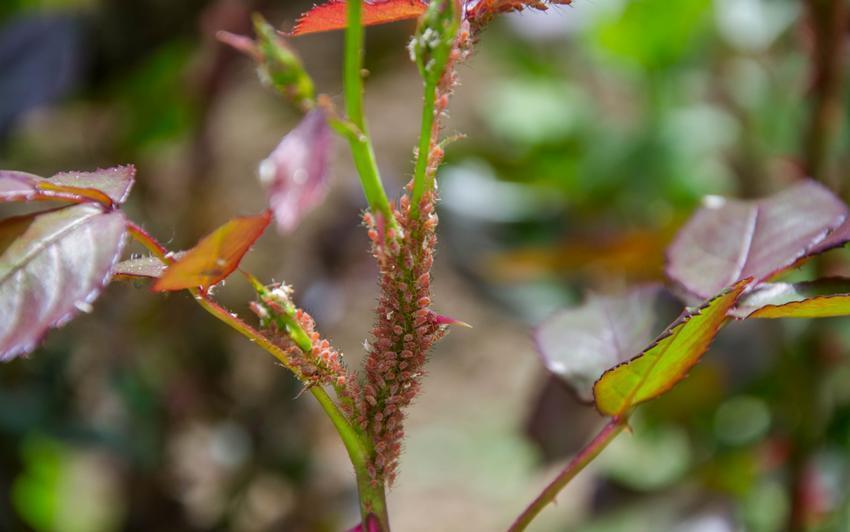
The Arrival of Aphids: Friends or Foes to Your English Roses?As the days grow longer and the warmth of spring fills the air, your roses begin to come back to life. But with the change in season, you might notice some tiny visitors on your plants – aphids.
-
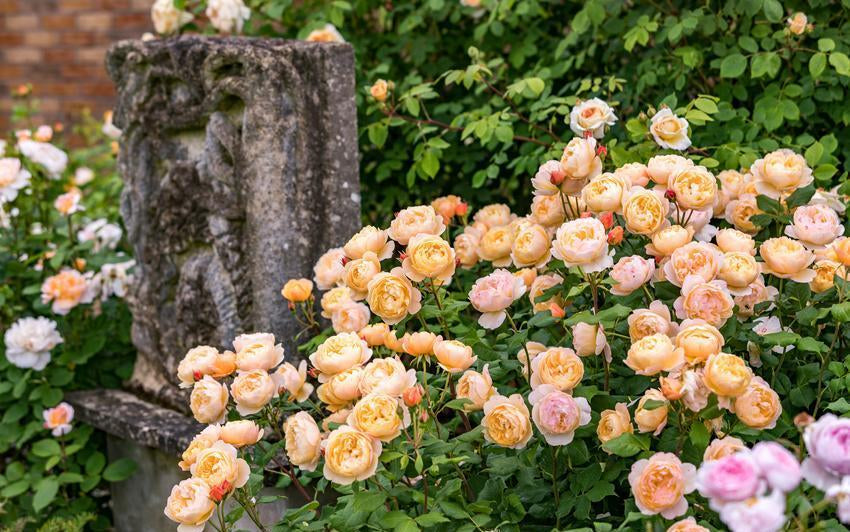
The Changing Colours of English RosesIt’s something that catches gardeners out time and again. A rose you’ve grown before, chosen for its particular shade, opens in a colour that seems unfamiliar. Maybe it’s paler. Maybe there’s a flush of pink where there wasn’t one before. Maybe the whole bloom looks like it belongs to another plant altogether.
-
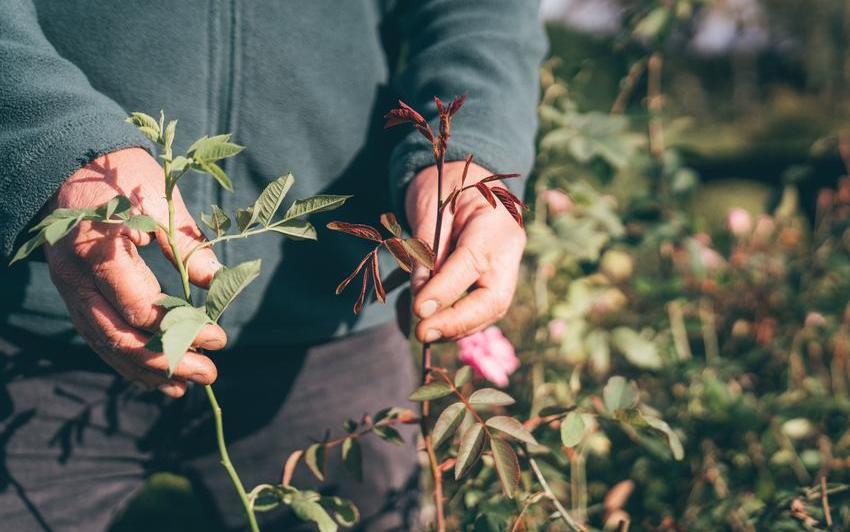
Understanding and Managing Rose SuckersSuckers are one of those quirks of rose growing that tend to invite a good deal of confusion. They appear out of nowhere, usually low down on the plant or even from the soil nearby, and it’s not always easy to know what to do about them. Are they a sign of strength or something to worry about?
Growing With Confidence
The more time you spend near your roses, the more fluent you become in their language. You will notice the swelling of buds, the softening of new growth, or the first speckle of disease and can respond before anything becomes serious. Roses do not require perfection. They simply thrive when given light, nourishment, space, and a gardener who looks at them often and with interest.