
Managing Powdery Mildew on Your Roses: The Ghost in the Garden
There are few sights more disheartening for a rose grower than watching fresh, vigorous growth suddenly falter.
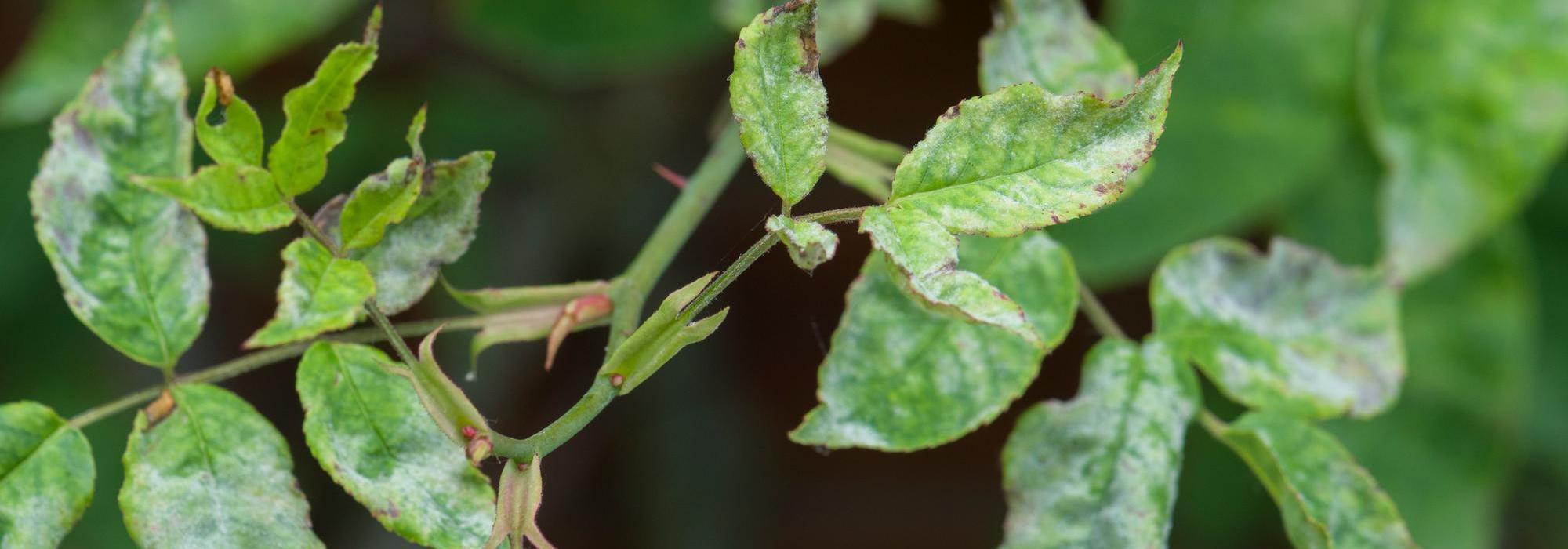
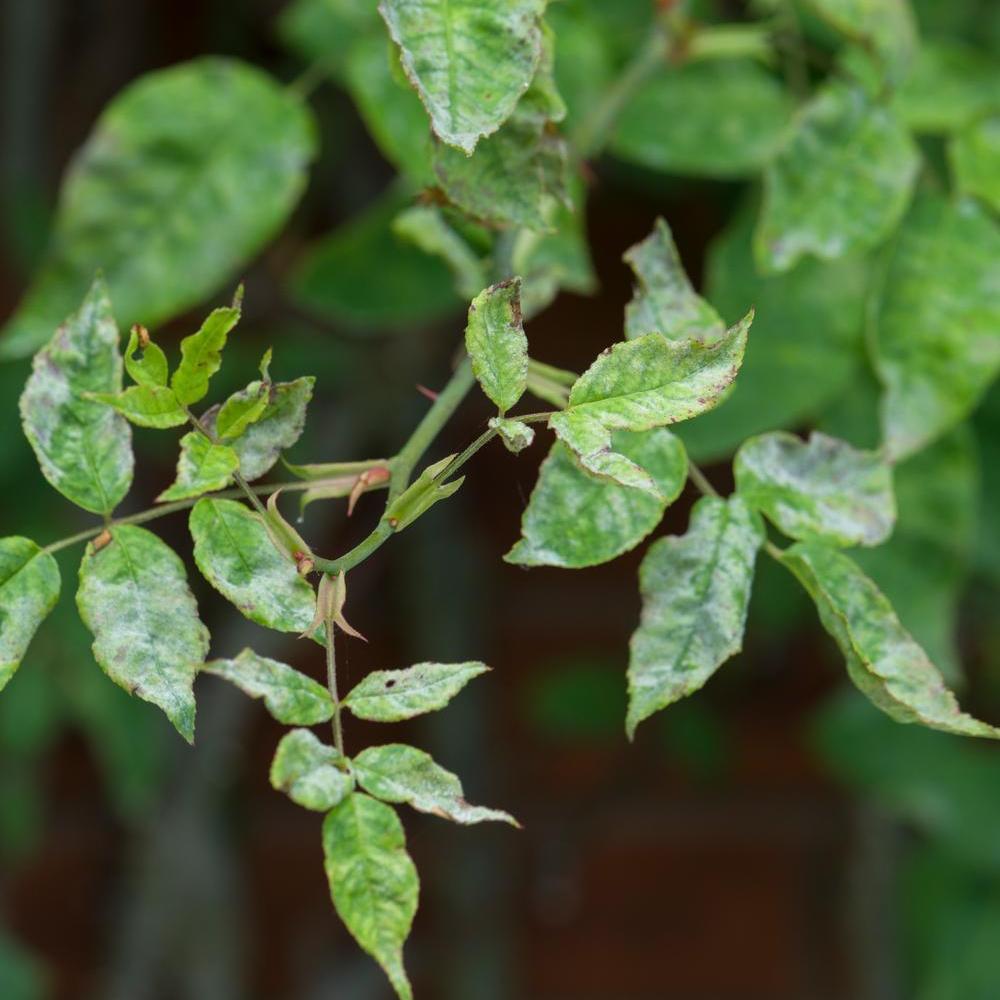
You’ve spent weeks monitoring a promising new shoot as it reaches for the sun. Then, almost overnight, the leaves begin to pucker. A strange, silvery dust settles over the buds like a ghostly velvet. This is Powdery Mildew.
As one of the most common rose ailments, it often arrives just as the garden hits its stride. While this fungus is a master of dramatic transformation, it is rarely a death sentence. With early detection and a shift in care, you can manage the outbreak and restore your garden’s health.
What is Powdery Mildew?
Powdery mildew is a fungal disease that targets the softest parts of the rose - young leaves, succulent shoots, and developing buds.
It begins when airborne spores settle on a plant that is under stress. Once established, the fungus draws nutrients from the rose, causing leaves to curl and buds to wither. While the "white dust" looks alarming, it is usually a signal that the plant’s environment has tipped out of balance, rather than a sign of a terminal decline.
The Perfect Storm: Ideal Conditions
Unlike many fungi that thrive in the rain, powdery mildew is a "fair-weather" foe. It prefers:
- Dry roots paired with humid air.
- Stagnant airflow caused by overcrowding.
- Temperature swings, specifically warm days followed by cool, damp nights.
From May through the height of summer, these fluctuations create a window of vulnerability that spores are quick to exploit.
Why Age Matters (Or Doesn’t)
Newly planted roses are often the first to succumb. This isn't because they are inherently weak, but because they are "unsettled." Until their root systems reach deep enough to find reliable ground moisture, they stress easily during dry spells. Their abundance of soft, "juicy" new growth is essentially an open invitation for mildew.
Even mature roses aren't immune. An established rose might have the root power to survive, but if it’s planted too close to a wall or strangled by nearby shrubs, the lack of ventilation will eventually take its toll. In older plants, mildew is usually a cry for more "elbow room" or a better watering routine.
The Early Signs: A Whisper Before the White
To manage mildew effectively, you must catch it before the "flour bomb" effect occurs. Watch for these subtle warnings:
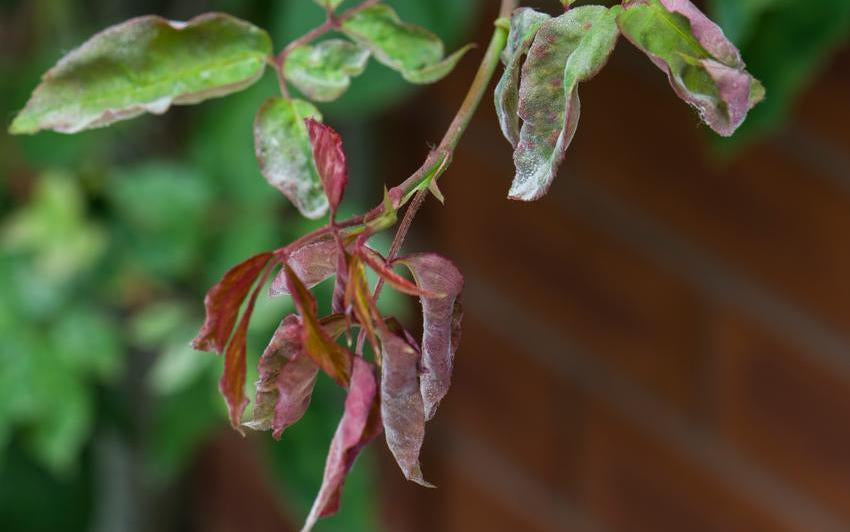
- The “Boat” Leaf: Young foliage that blisters or curls upward at the edges.
- Reluctant Buds: Flower heads that seem "stuck" or fail to open.
- Growth Distortion: New shoots that appear twisted or unnaturally stunted.
Always inspect the newest growth first; these tender tissues are the mildew’s primary gateway.
5 Ways to “Mildew-Proof” Your Garden
In the world of roses, cultural prevention is far more effective than a chemical cure.
 1. Hydrate DeeplyAbandon light sprinkling. Give your roses a long, deliberate soak at the base to ensure the moisture reaches the deepest roots.Learn more
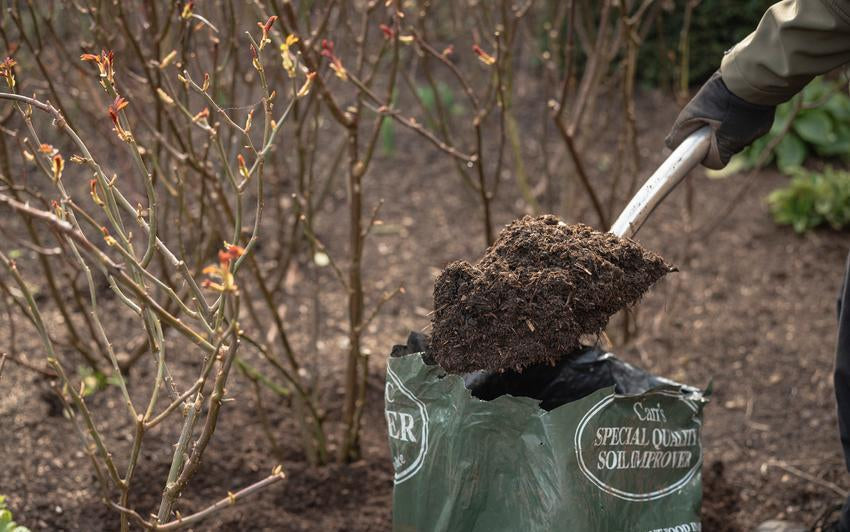 2. Mulch Generously:A thick layer of organic matter acts as a thermostat for your soil, keeping roots cool and moisture levels steady.Learn more
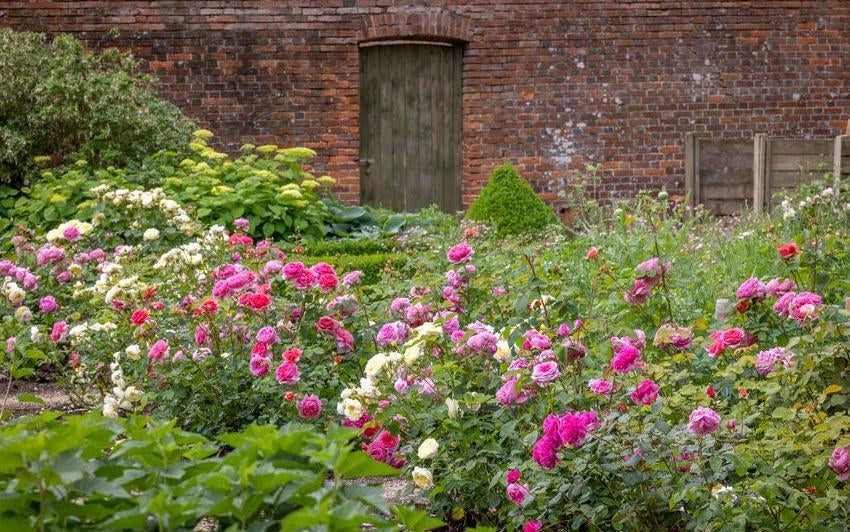 3. Prioritise AirflowRoses need to breathe. Avoid planting them tightly against solid fences or walls and prune to keep the centre of the bush open.Learn more
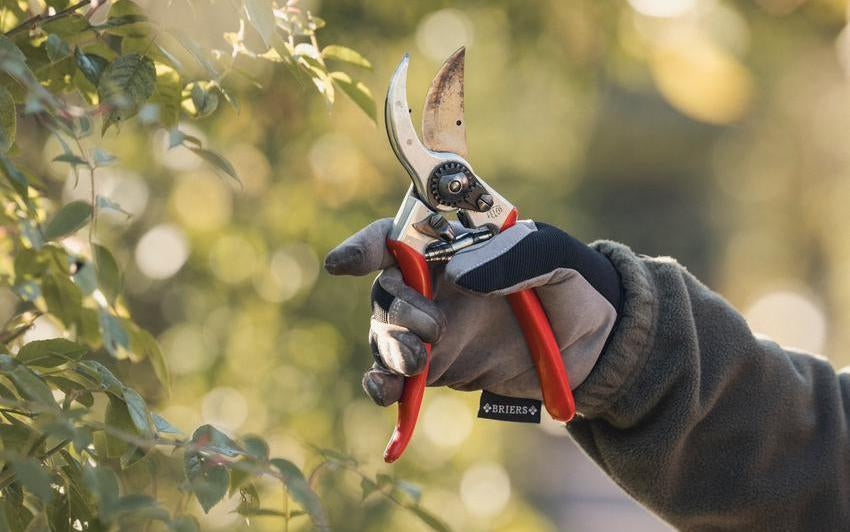 4. The Pruning RuleAt the first sign of white dust, snip it off. Removing infected stems promptly prevents the spores from hitching a ride on the wind to your other plants.Learn more
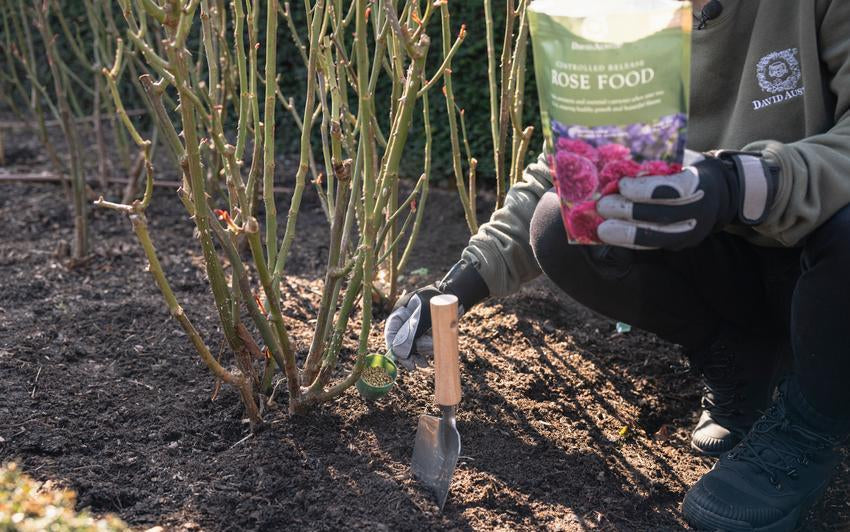 5. Balance the DietAvoid high-nitrogen feeding late in the summer. Excessive feeding in August creates a flush of soft growth that is far too tender to resist infection.Learn more

Restoring the Balance
Powdery mildew is a reminder that roses, for all their breathtaking beauty, are sensitive to their surroundings. It isn't a sign of failure; it is simply a signal that your rose needs a little more water, a bit more space, or a moment of your time.
By staying vigilant and keeping your watering can full, you can ensure your roses move past the "ghostly" phase and back into their full, vibrant glory.
-
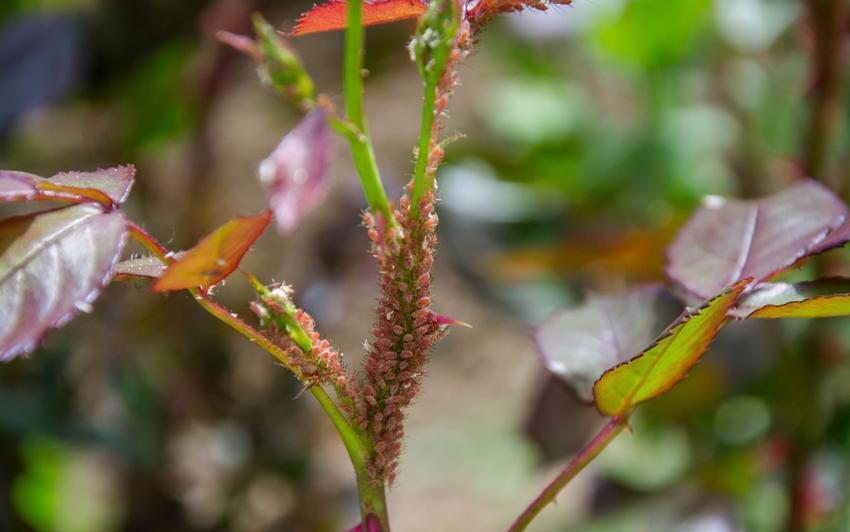
The Arrival of Aphids: Friends or Foes to Your English Roses?As the days grow longer and the warmth of spring fills the air, your roses begin to come back to life. But with the change in season, you might notice some tiny visitors on your plants – aphids.
-
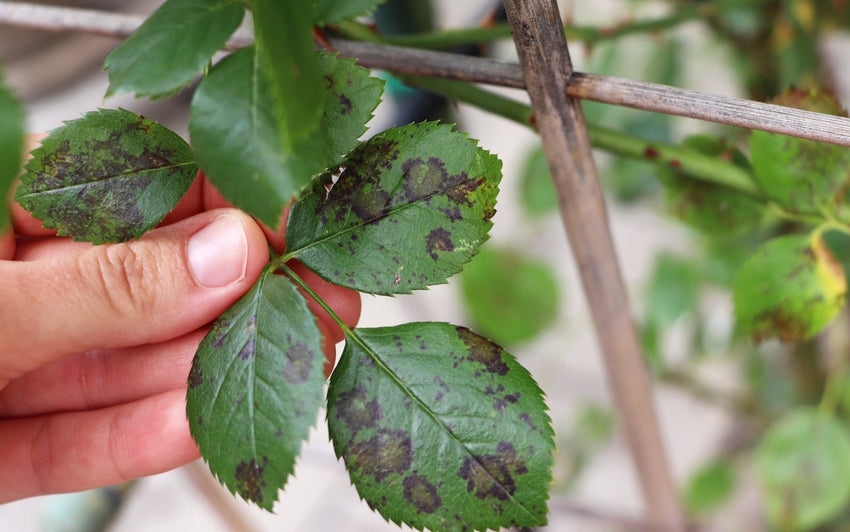
How to Tell Downy Mildew and Blackspot Apart on Your RosesRoses sometimes show signs of illness that can be easy to mistake for one another. Two common problems are downy mildew and blackspot. Both affect foliage and can weaken the plant, yet they present differently and thrive under distinct conditions. Recognising these differences allows gardeners to respond appropriately and preserve the health and beauty of their roses.
-
The Changing Colours of English RosesIt’s something that catches gardeners out time and again. A rose you’ve grown before, chosen for its particular shade, opens in a colour that seems unfamiliar. Maybe it’s paler. Maybe there’s a flush of pink where there wasn’t one before. Maybe the whole bloom looks like it belongs to another plant altogether.
-
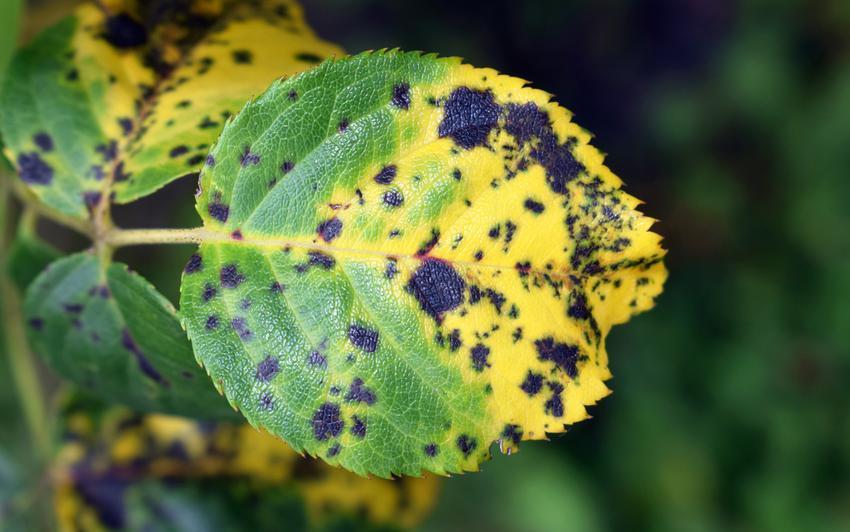
The Truth About Blackspot: A Guide to Keeping Your Roses HealthyIf you grow roses, you’ve likely heard about blackspot, that pesky fungal troublemaker that loves to spoil even the most beautiful bushes. It’s one of the most common problems gardeners face, and while it doesn’t kill your roses outright, it can really take the wind out of their sails if left unchecked.
-
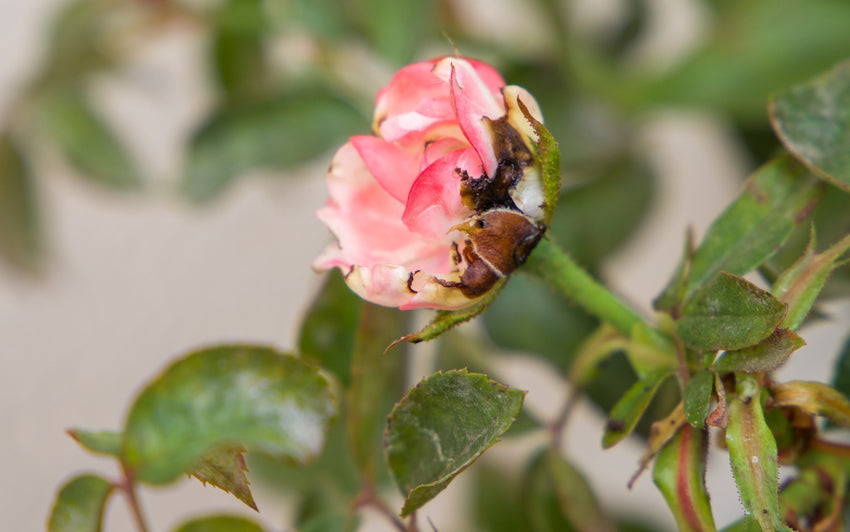
When Buds Refuse to Bloom: A Gardener's Encounter with ThripsIt begins quietly. You’re walking the garden in the early morning, coffee in hand, admiring the swell of buds after a warm spell. Everything looks as it should, until your eye catches one that seems reluctant to open. The petals are puckered, almost as if they’ve been pinched, and their edges are tinged with a strange brown. A day or two later, another bud does the same. Then a third.
-
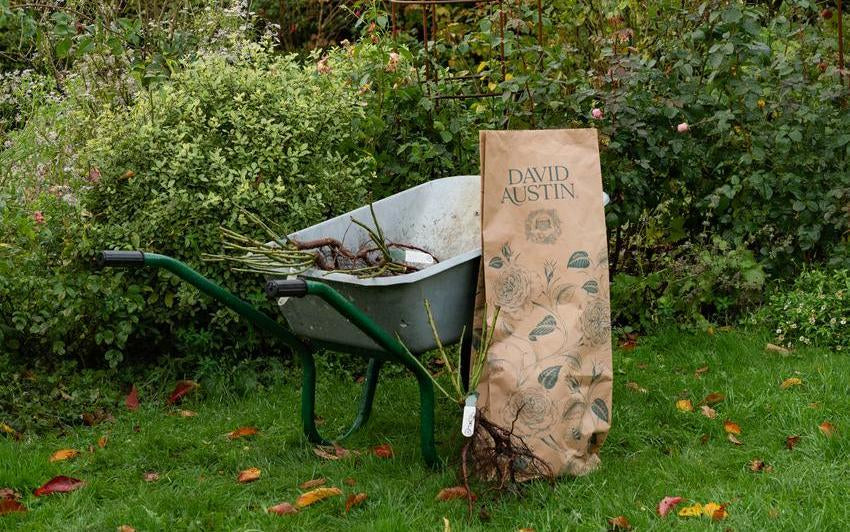
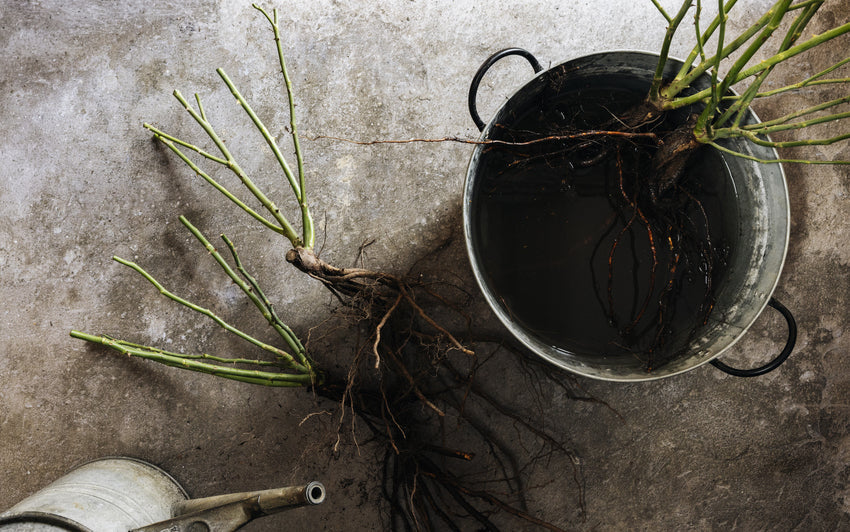
Bare Root or Potted? Why Our Roses Come Two WaysAcross the year, you'll find two different forms of David Austin® rose available. For much of the year, our potted roses are ready and waiting, cut back and dormant during the cooler months, in leaf and growth through the warmer ones. Then, once the growing season draws to a close, our bare root roses come into their own, dug fresh from the field and sent out while fully dormant, just as English roses have been grown and shared for generations.
-
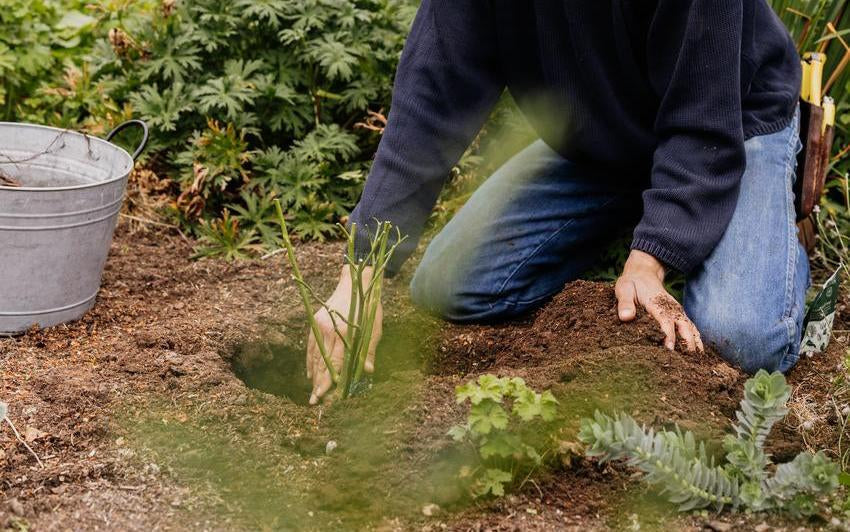
The Comfort of Autumn in the Rose GardenAutumn brings a particular kind of morning. You pull on a favourite jumper, step outside and feel the cooler air on your face, and somehow the day feels a little clearer. Leaves gather beneath your feet, the soil smells rich and damp, and the low sun turns everything a soft shade of gold.
-
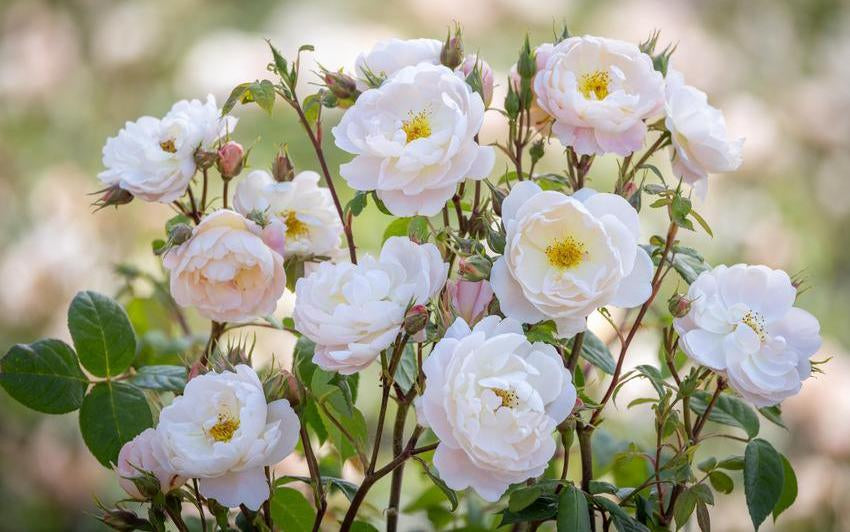
First Look: Sir David Beckham, A Rose with Family at its HeartSir David Beckham (Ausa34b16) is a rose shaped by natural beauty, quiet strength and a deeply personal story. Created to mark a milestone year and inspired by a touching request from Harper for her father’s 50th birthday, this remarkable new English Shrub Rose is rooted in something deeply meaningful, a living symbol of family, resilience and enduring love. Yet beyond the story behind its name, Sir David Beckham is, above all, a rose of great garden beauty and presence.
-
The Rose Year BeginsAutumn brings a distinct richness that invites us to slow down and notice the changes. Leaves turn shades of amber and gold, while the lower, softer light catches the borders in the late afternoon. As cooler mornings bring heavy dew and that unmistakable, earthy scent of damp soil, the garden gradually settles down for the season.
-
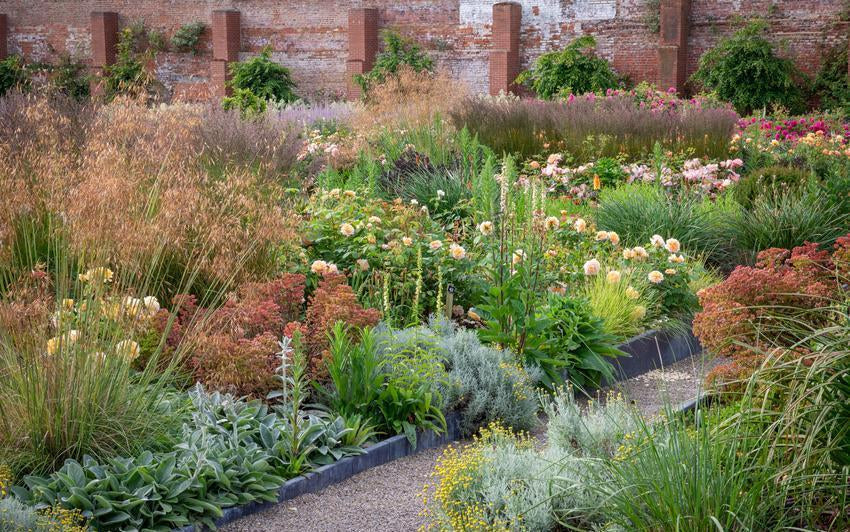
What to Plant with English Roses for Autumn ColourBy the end of September, the rose garden is changing. The exuberance of summer is fading, and the rhythm of the season is slowing. Many English Roses are setting hips now, their once-constant flowers giving way to clusters of glowing fruits. Yet the borders need not feel diminished. With the right companions, roses can be framed and supported so that the garden still sings with colour, texture and grace well into autumn.
-
Roses with Large Blooms: Varieties for Garden ImpactA rose in full flower can transform a garden. Large, many-petalled blooms draw the eye through a border, bring colour to a quiet corner or create a beautiful focal point when grown in a pot.