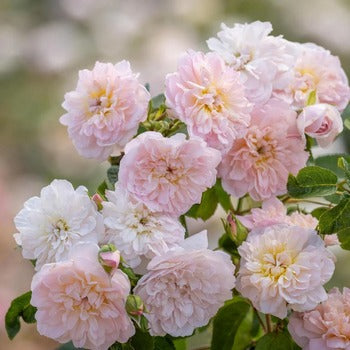

Spotlight on Bathsheba
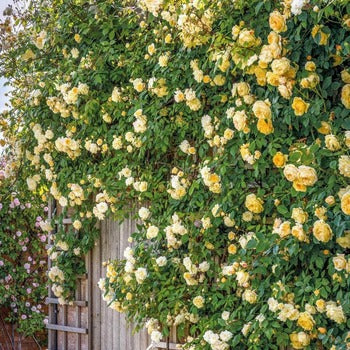
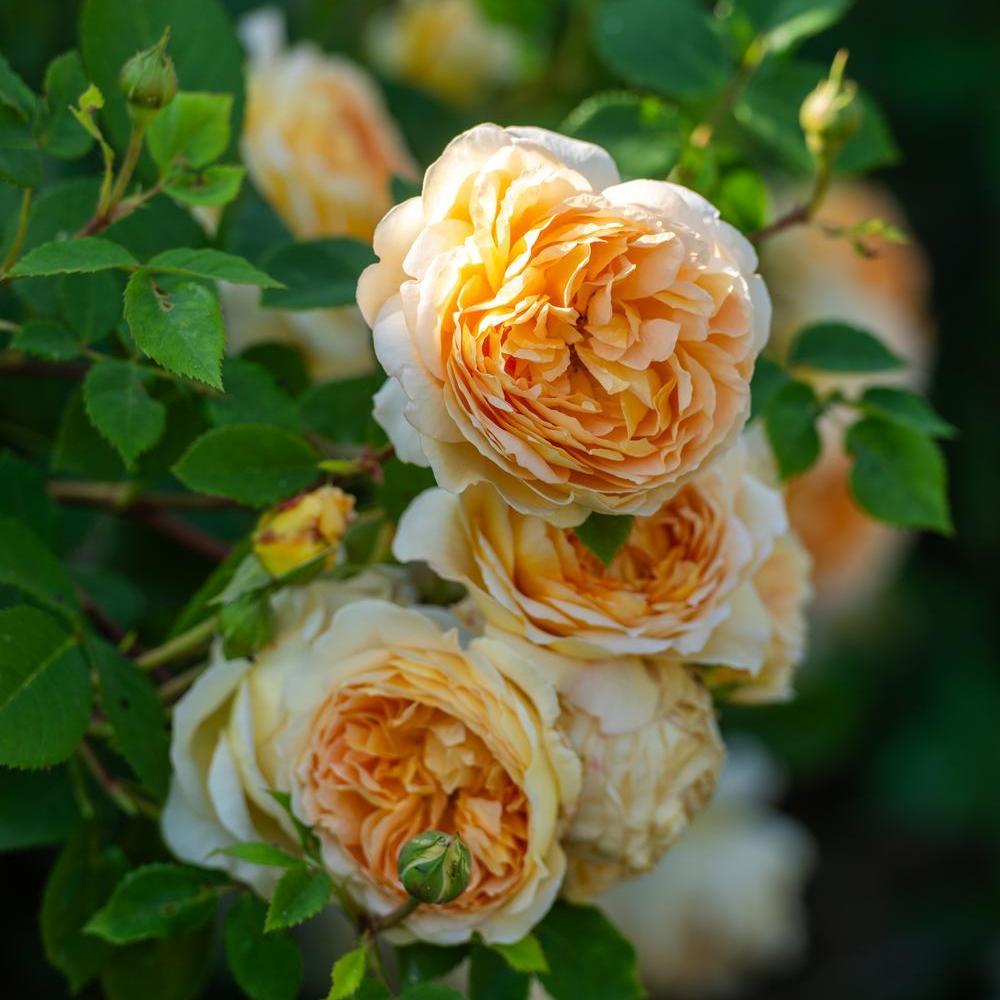
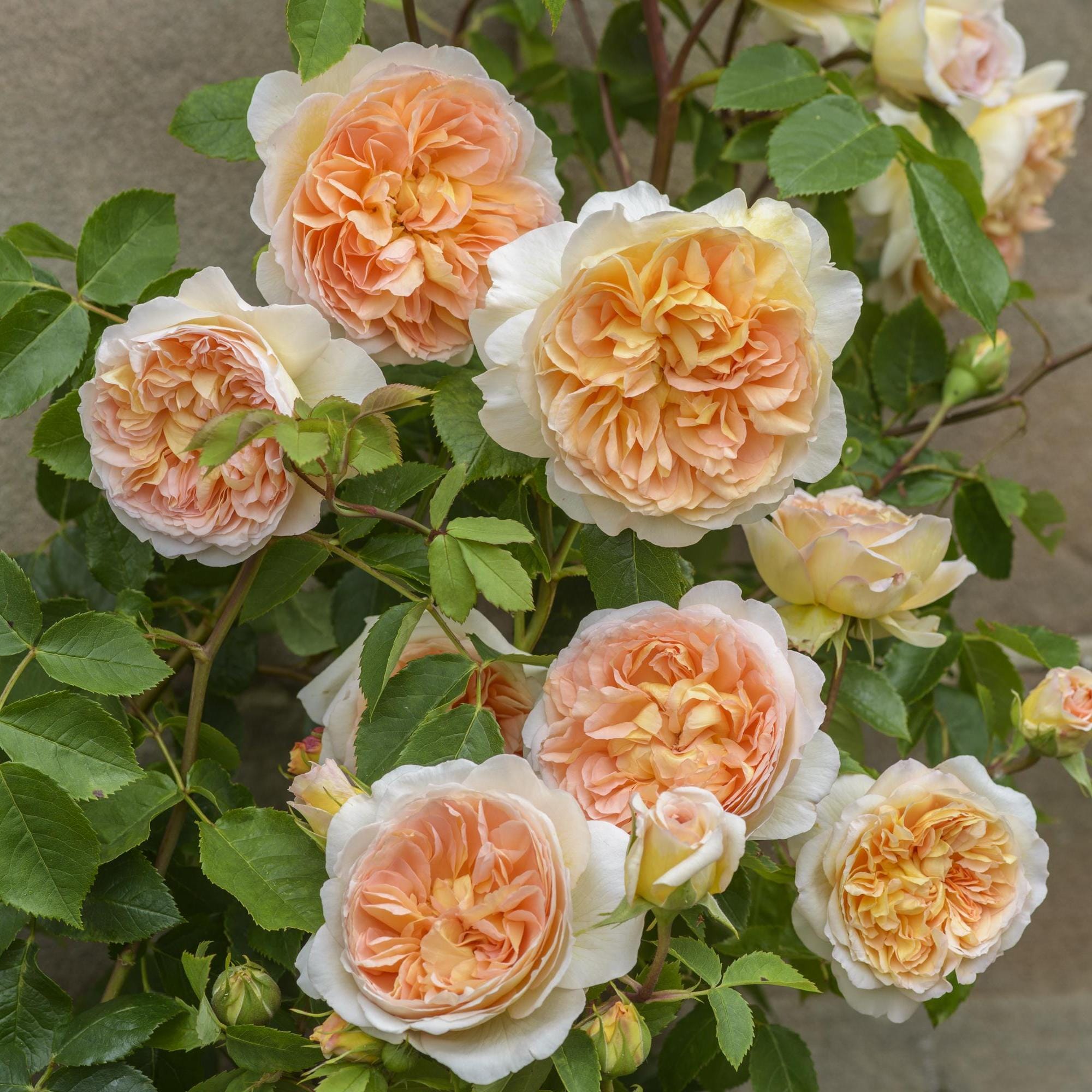
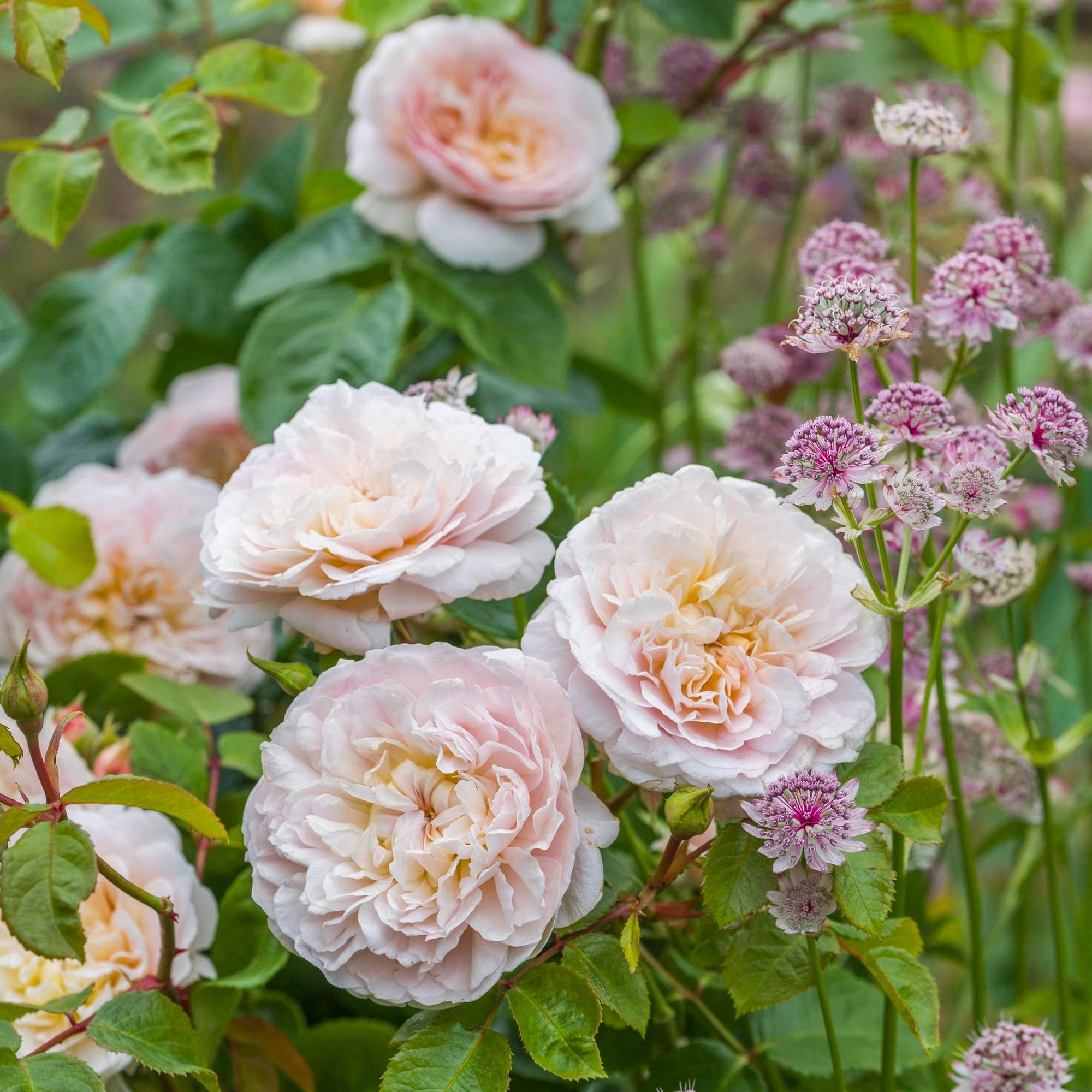
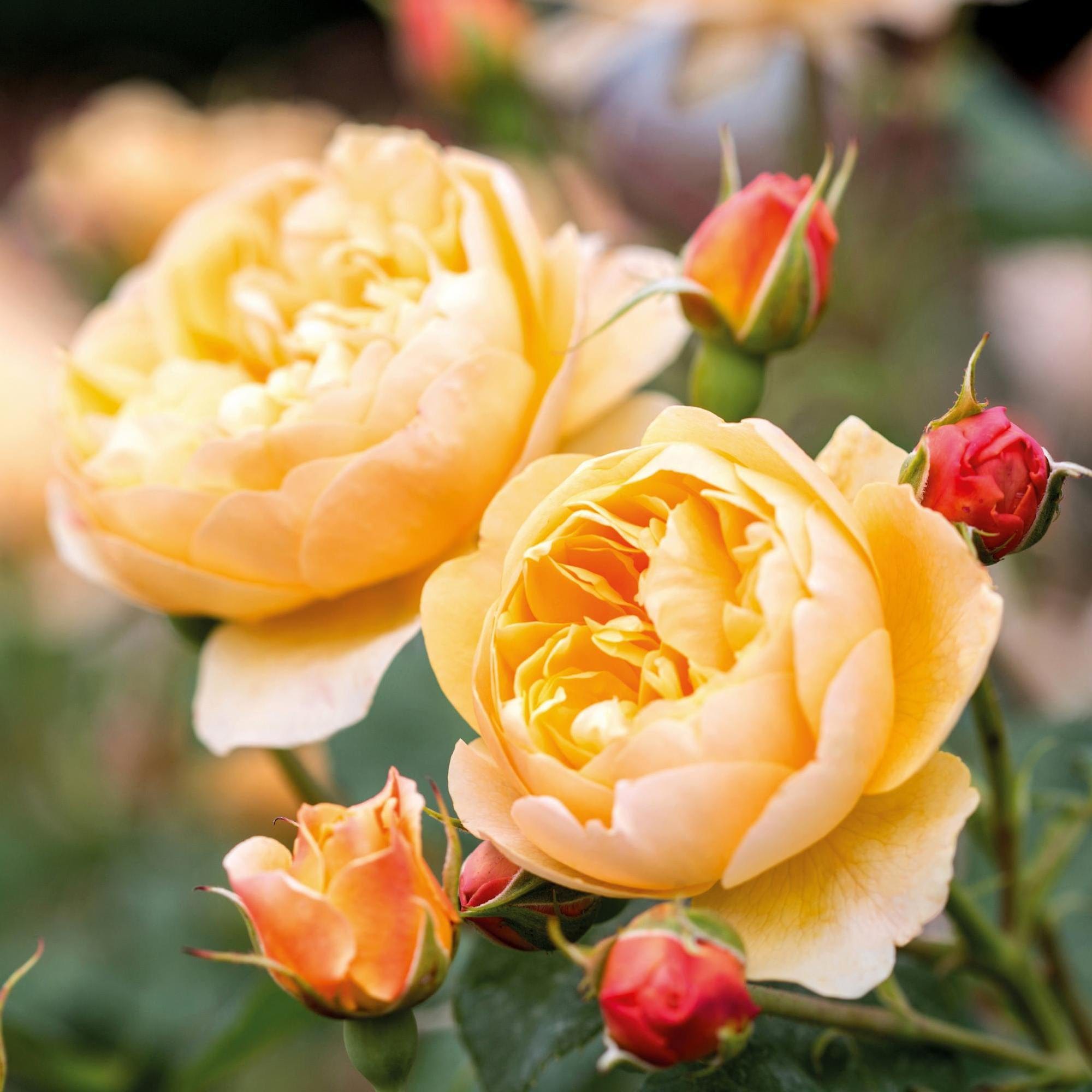
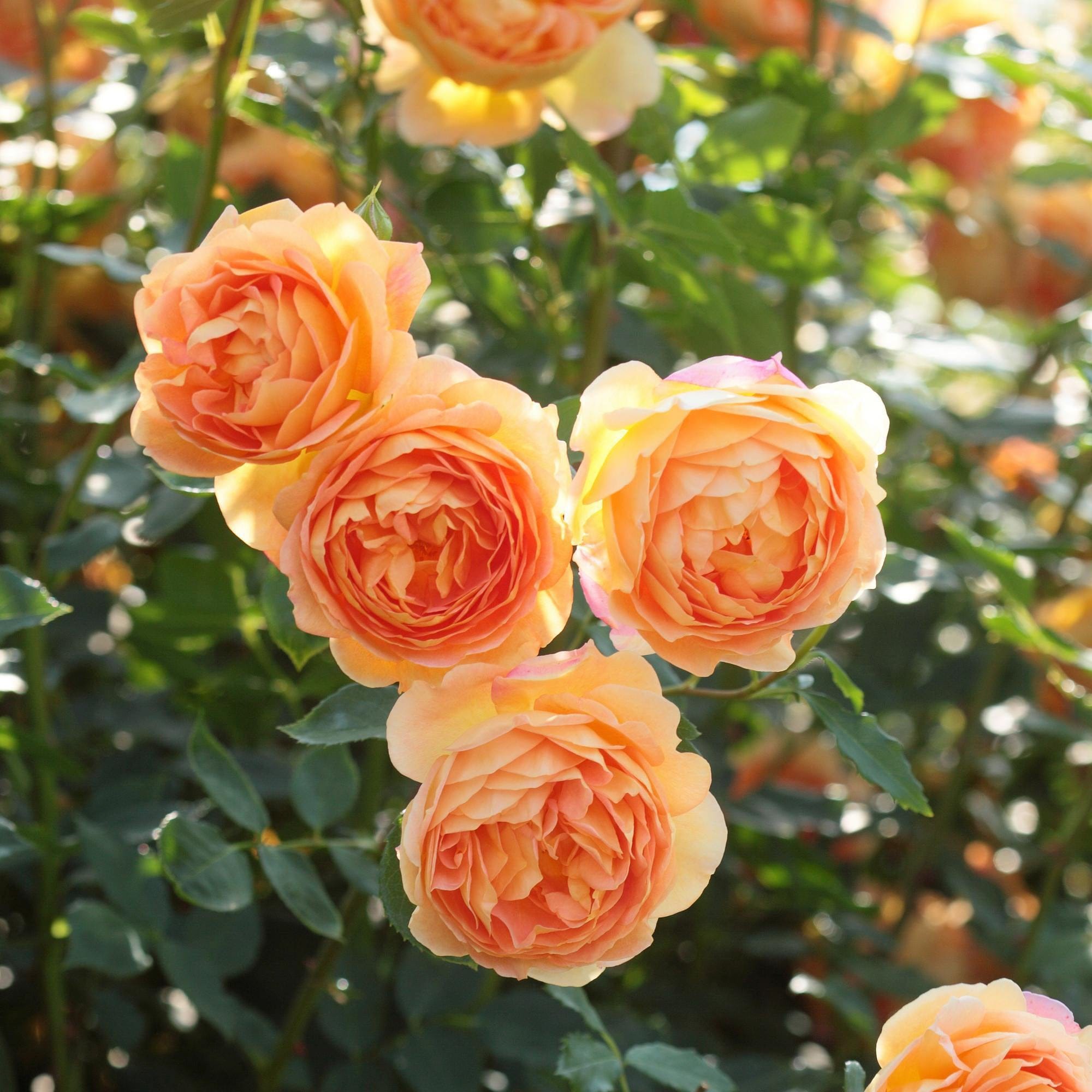
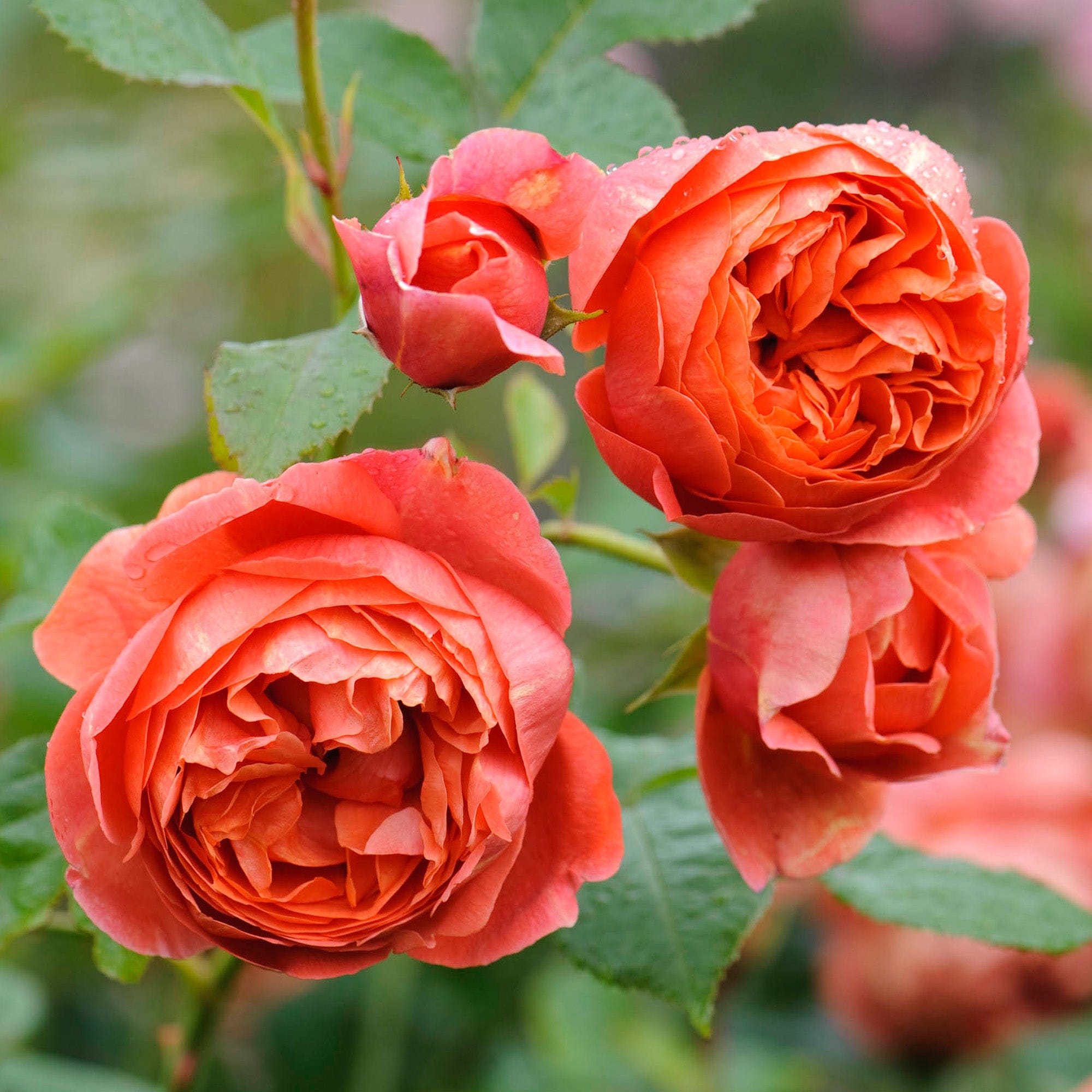
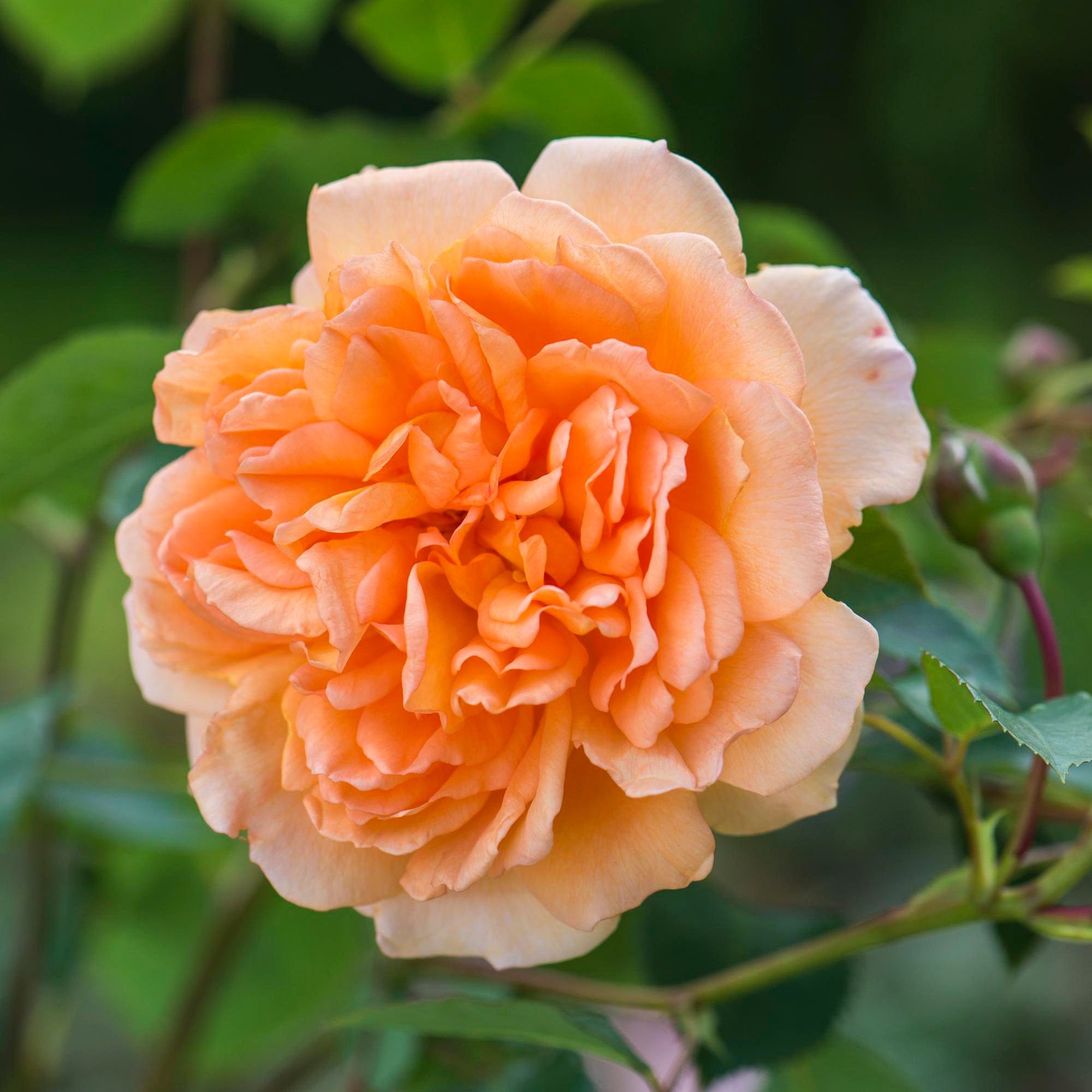
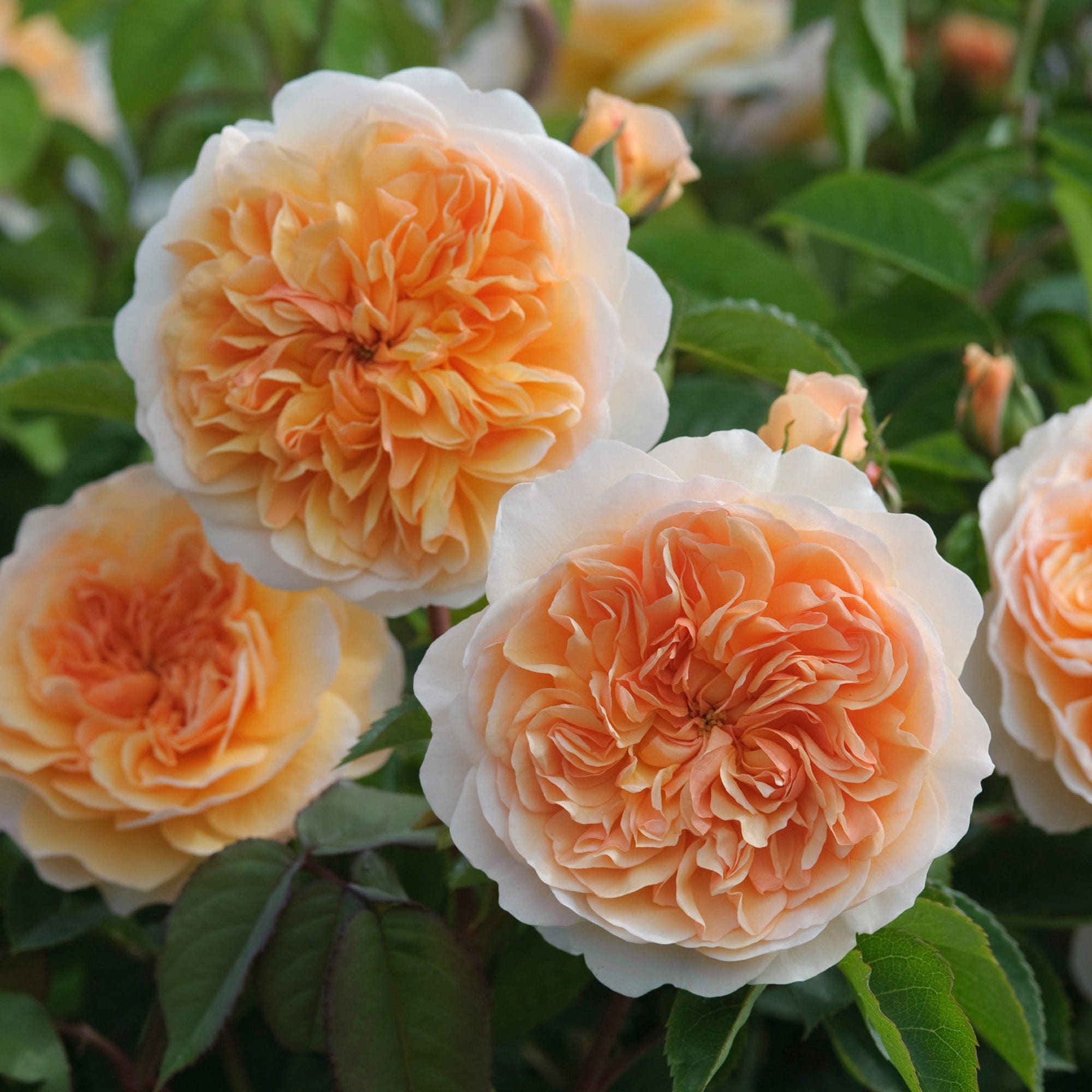
Chosen for the cover of the Handbook of Roses 2026, Bathsheba (Auschimbley) is a climbing rose distinguished by warmth, balance, and quiet refinement. The blooms appear in generous clusters, each flower a soft interplay of apricot and gentle yellow. Petals are arranged with relaxed elegance, creating a display that feels both abundant and composed. The fragrance is rich and characteristic, a classic myrrh scent with delicate notes of honey and tea.
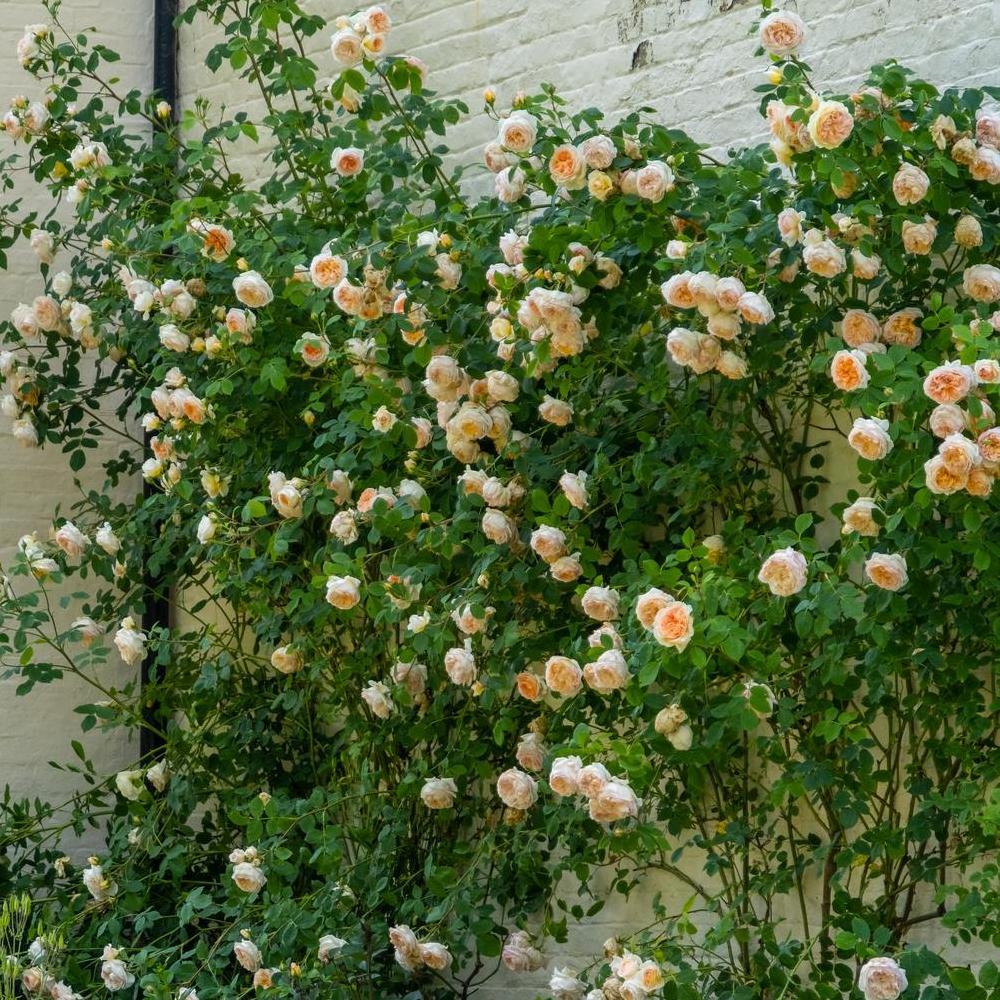
Bathsheba is a repeat-flowering climber, returning in steady waves from late spring into autumn. The growth is upright and well structured, producing stems naturally suited to training. With time, the plant develops height and presence while retaining a sense of restraint. At maturity, Bathsheba typically reaches around 10 to 12 feet (3 to 3.5 metres) in height depending on conditions and pruning.


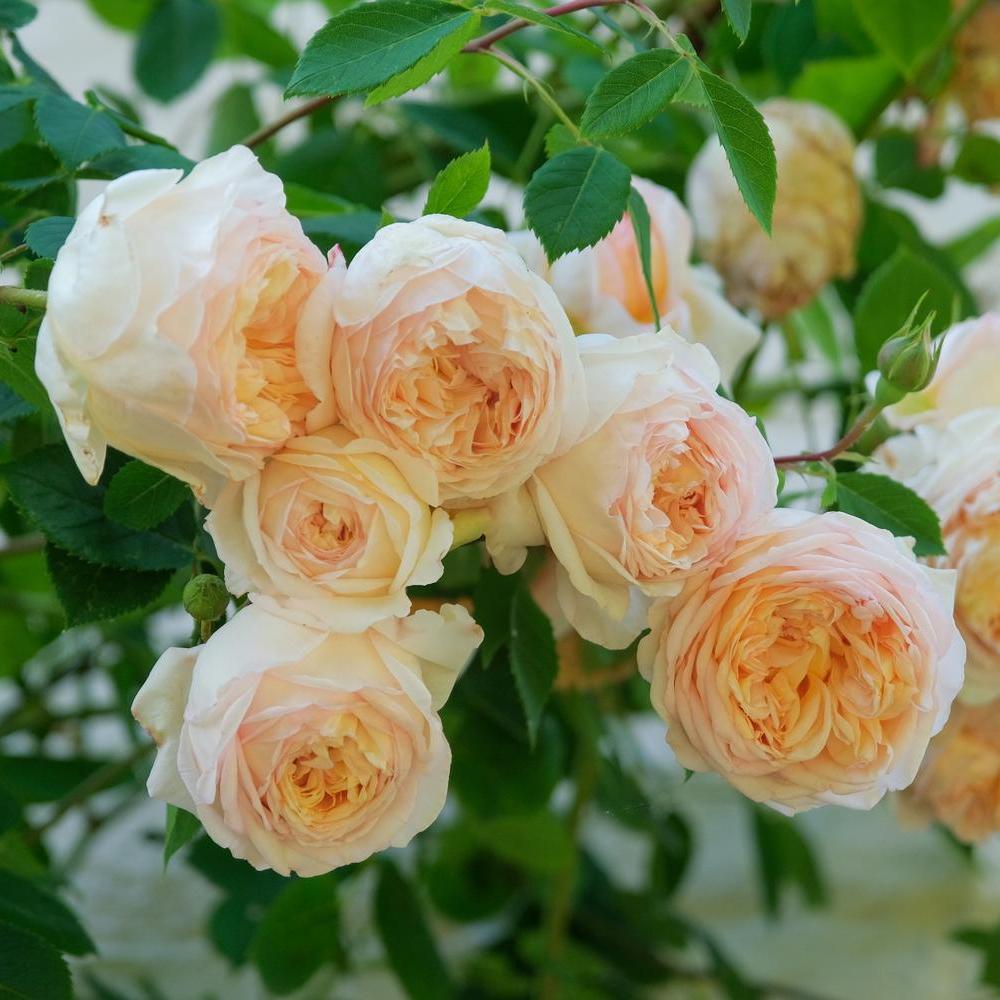
A Rose for Structure and Softness
Few climbers combine visual impact with such a gentle effect. Bathsheba lends height without heaviness, softening walls, fences, arches, and pillars with ease. Against brick or stone, the colouring acquires a luminous quality. On timber supports, the tones appear warm and mellow.
Placed near an entrance, seating area, or pathway, the fragrance becomes part of the garden’s atmosphere, encountered naturally in passing.
Planting in the Ground
In open soil, Bathsheba rewards thoughtful preparation. A sunny position, ideally receiving at least four hours of direct light each day, encourages strong growth and reliable flowering. Well-drained, fertile soil supports healthy root establishment and sustained performance.
Given adequate space and sturdy support from the outset, the plant settles confidently. Each season contributes additional height, substance, and flowering potential, gradually building into a graceful vertical feature.
Growing Bathsheba in a Container
Although a climber, Bathsheba adapts well to container cultivation when the pot is sufficiently generous. A container measuring at least 2ft (60cm) in depth and width provides the root space required for long-term health. Good drainage is key, supported by a potting medium made from equal parts multipurpose compost and John Innes No. 3.
Container-grown specimens require more attentive watering and regular feeding, yet the rewards are considerable. Bathsheba brings vertical interest, colour, and fragrance to terraces, patios, and balconies where planting space may be limited. When grown this way, the ultimate height may be slightly moderated, though still impressive.
Companion Planting
The apricot tones of Bathsheba pair beautifully with cooler shades. Blues are especially effective, creating a composition of balance and contrast. Nepeta offers softness and movement at the base. Salvias introduce vertical accents and extended seasonal colour. Lavender contributes both structure and scent. Delphiniums provide height and drama, while hardy geraniums weave a more relaxed foreground.
These cooler companions temper the warmth of the blooms, allowing colour and form to stand out with clarity.

The Story Behind the Name
Bathsheba takes its name from the heroine of Thomas Hardy’s Far from the Madding Crowd, first published in 1874. Bathsheba Everdene is one of Hardy’s most memorable characters: intelligent, independent, and quietly resolute. She moves through the novel with a compelling mixture of confidence and vulnerability, strength and sensitivity.
Hardy’s choice of name reflected both beauty and character, and in turn, the rose carries something of that same spirit. In the garden, the association feels entirely fitting. Bathsheba possesses warmth without excess, presence without severity, and a beauty that reveals itself fully only with time and attention.
Enduring Appeal
Bathsheba offers more than flowers alone. It brings atmosphere, colour that shifts subtly with changing light, fragrance that rewards close attention, and growth that contributes lasting structure to the garden.
Whether established in open ground or cultivated in a generous container, Bathsheba proves a versatile and memorable choice.
-
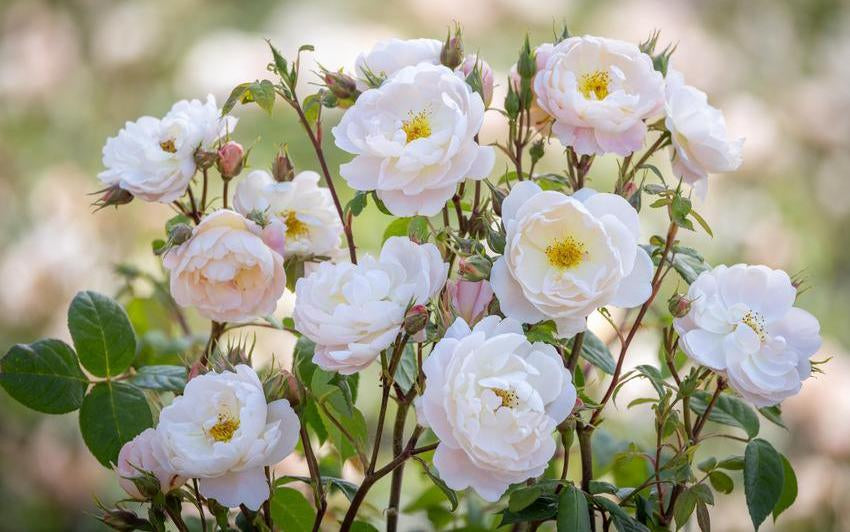
First Look: Sir David Beckham, A Rose with Family at its HeartSir David Beckham (Ausa34b16) is a rose shaped by natural beauty, quiet strength and a deeply personal story. Created to mark a milestone year and inspired by a touching request from Harper for her father’s 50th birthday, this remarkable new English Shrub Rose is rooted in something deeply meaningful, a living symbol of family, resilience and enduring love. Yet beyond the story behind its name, Sir David Beckham is, above all, a rose of great garden beauty and presence.
-
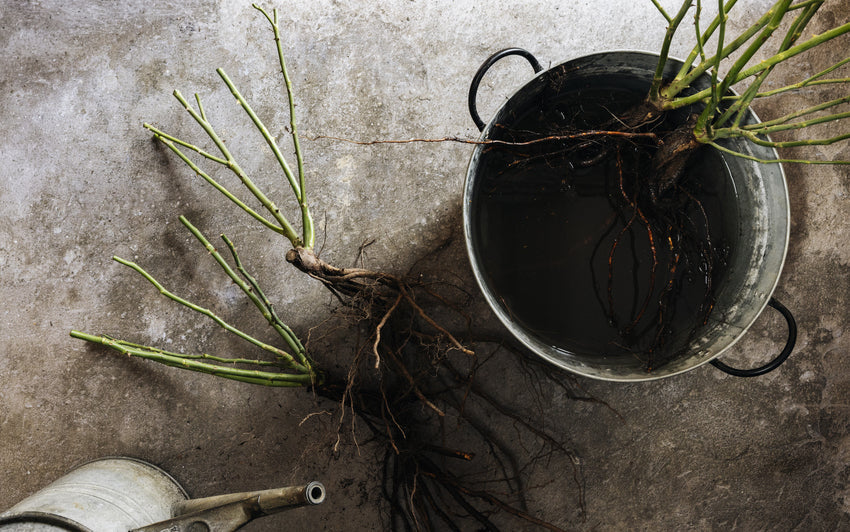
The Rose Year BeginsAutumn brings a distinct richness that invites us to slow down and notice the changes. Leaves turn shades of amber and gold, while the lower, softer light catches the borders in the late afternoon. As cooler mornings bring heavy dew and that unmistakable, earthy scent of damp soil, the garden gradually settles down for the season.
-
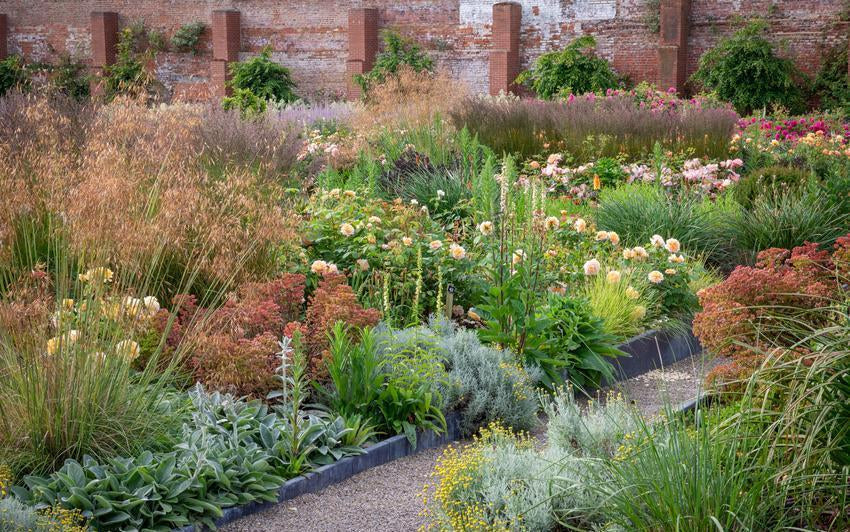
What to Plant with English Roses for Autumn ColourBy the end of September, the rose garden is changing. The exuberance of summer is fading, and the rhythm of the season is slowing. Many English Roses are setting hips now, their once-constant flowers giving way to clusters of glowing fruits. Yet the borders need not feel diminished. With the right companions, roses can be framed and supported so that the garden still sings with colour, texture and grace well into autumn.
-
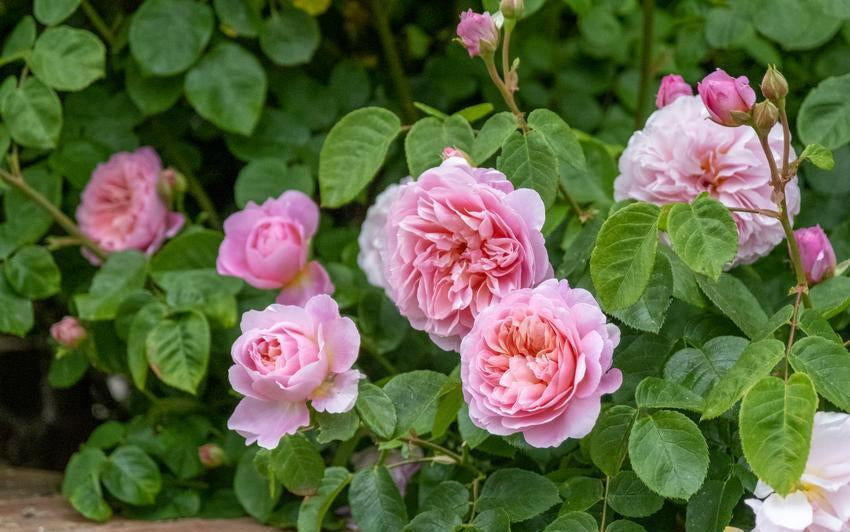
Roses with Large Blooms: Varieties for Garden ImpactA rose in full flower can transform a garden. Large, many-petalled blooms draw the eye through a border, bring colour to a quiet corner or create a beautiful focal point when grown in a pot.
-
Best Fragrant Roses for Autumn: Scent and Colour Beyond SummerThe fragrance of a rose is never quite fixed. Temperature, humidity, time of day and even the stage of the flower can all influence how its scent is released and experienced. As the warmth of summer begins to soften into autumn, cooler mornings and greater moisture in the air create different conditions for fragrance, and a familiar rose can reveal itself in a rather different way.
-
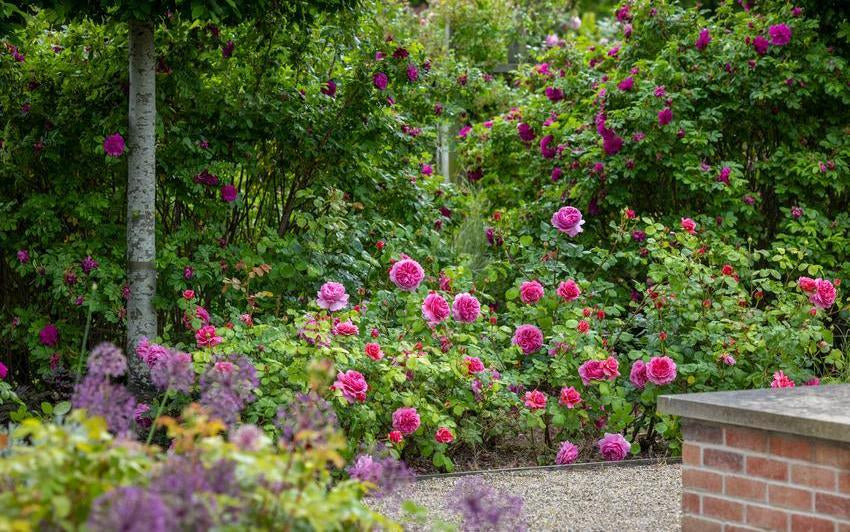
Using Red Roses to Bring Richness and Depth to the GardenA red rose has a wonderfully compelling presence in the garden. Amongst a sea of green, even a glimpse of crimson catches the eye, drawing you closer for another look. Red can sometimes have a reputation for being difficult to use, particularly alongside softer colours. Yet the palette is far more varied than we might first imagine. From clear crimson to deep, velvety tones, red roses can bring warmth, richness and depth to a garden without overwhelming it.