
What Is a Bare Root Rose?A Beginner's Guide to Every Part
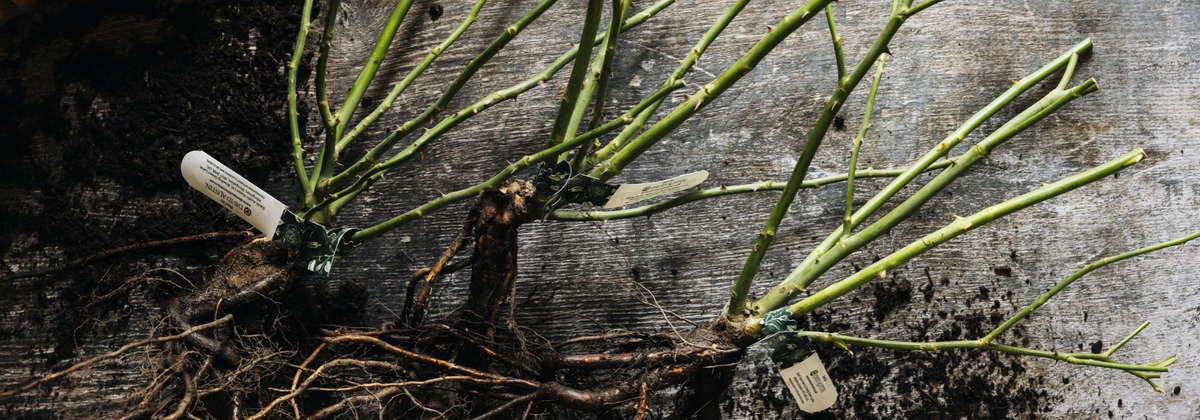
Opening the box on your first bare root rose is an exciting moment. Inside, you'll find a neat bundle of roots and sturdy stems, carefully packed and resting for winter. There are no leaves or flowers yet, and that is exactly as it should be. Everything your rose needs to grow, flourish and flower for years to come is already there, ready and waiting for spring.
Getting to know each part of your rose, and what it does, makes planting simple and helps you give it the very best start.

What is a Bare Root Rose?
Bare root roses are grown in open fields and lifted in winter, while they are dormant. Dormant simply means resting. Just as a tree drops its leaves in autumn, the rose slows down for the colder months and saves its energy for spring. Because it is resting, it can travel without soil or a pot and settle happily into its new home.
Growing roses this way brings real benefits:
- A wider choice - Bare root season offers one of the largest selections of varieties.
- Excellent value - Without
pots and compost to transport, bare root roses are more economical to buy and send. - A quick start - Planted in winter, the roots go straight into your soil and begin settling in, ready to grow away as soon as spring arrives.
Let's look at each part in turn, starting from the bottom.
The Roots
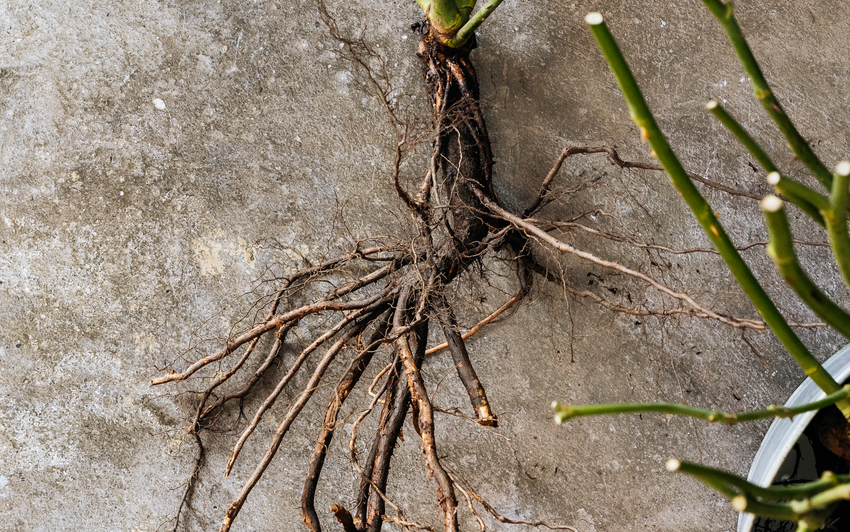
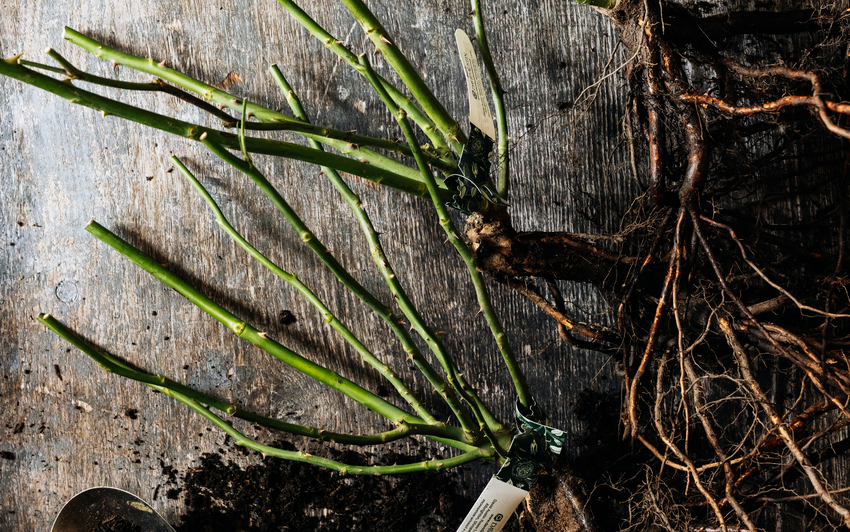
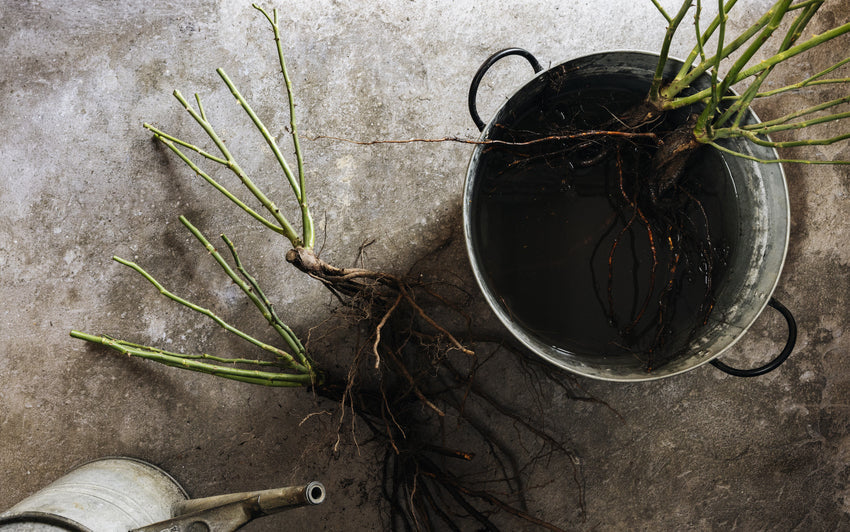
At the base of your rose are its roots. Look closely and you'll notice two kinds: a few thicker, woody roots, and a mass of finer, thread-like roots growing around them.
Each has its own job. The thicker roots anchor the rose firmly in the ground and reach down deep in search of moisture. The finer roots do most of the drinking, taking up water and nutrients from the soil, much like the fine bristles of a paintbrush soaking up paint. Together, they form the foundation that will support your rose for years.
What this means for you: before planting, soak the roots in a bucket of water for a few hours to refresh them after their journey. When you plant, spread them out in the hole rather than bunching them up, so they can reach out into the surrounding soil.
The Bud Union
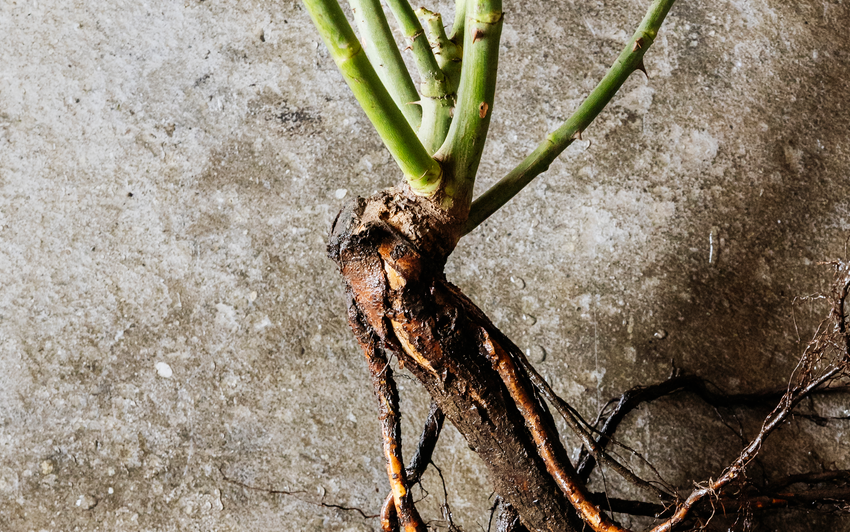
Just above the roots, where the stems begin, you'll see a knobbly swelling. This is the bud union, sometimes called the graft point, and it is the heart of your rose.
Most roses are made from two plants joined together, a technique known as grafting. The roots come from a strong, vigorous rose chosen for its toughness, called the rootstock. The top of the plant comes from the variety you chose, with its own colour, fragrance and character. Joined at the bud union, the two grow as one: hardy roots below, beautiful flowers above.
The bud union is also where new stems grow from, which is how your rose becomes fuller and more generous year after year.
What this means for you: plant your rose so the bud union sits about 5cm (2in) below the soil surface. This protects it from frost and encourages strong new stems to grow from the base.
The Stems
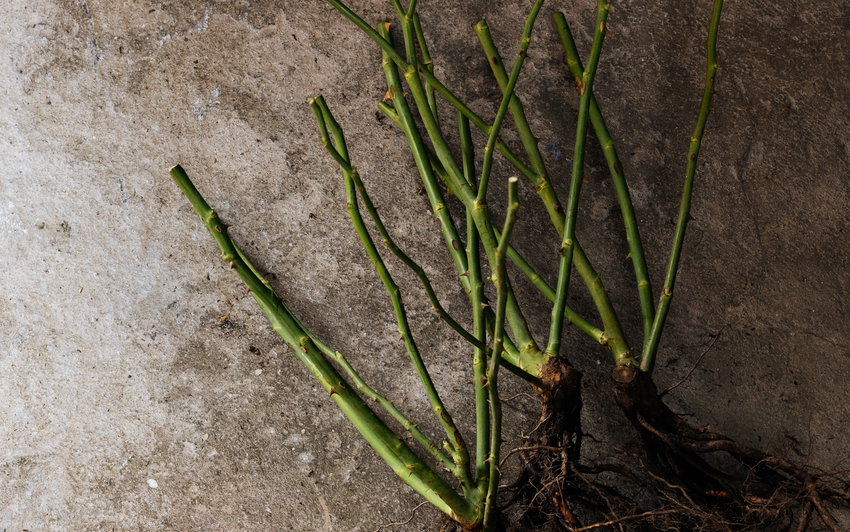
Rising from the bud union are the stems, which rose growers often call canes. They form the framework of your future rose, the structure that will carry its leaves and flowers. Depending on the variety, they may be green or reddish-brown, smooth or lightly thorned.
What this means for you: your rose may arrive already trimmed and ready for planting. If any stems have been damaged or broken, simply snip them back to just above a healthy bud.
The Dormant Buds
Look closely along the stems and you'll spot small, slightly raised bumps. These are dormant buds, and each one is a future shoot.
As the soil warms and the days lengthen in spring, the buds begin to swell and open, sending out fresh shoots that soon fill with leaves and, by summer, flowers. It is one of the most rewarding moments of the gardening year.
What this means for you: nothing at all, other than to let them be. They may be small, but they are ready.
Your Rose on Arrival
A healthy bare root rose has firm stems and plump roots. If you can't plant it straight away, keep it in its packaging somewhere cool and frost-free, such as a shed or garage, and make sure the roots stay moist. Plant as soon as you can, choosing a day when the ground isn't frozen or waterlogged.
Then let nature take it from there. Through the winter your rose will quietly settle in, and when spring arrives those small buds will open into the first shoots of a rose that will flower for many years to come.
Putting It All Together: Planting in Five Steps
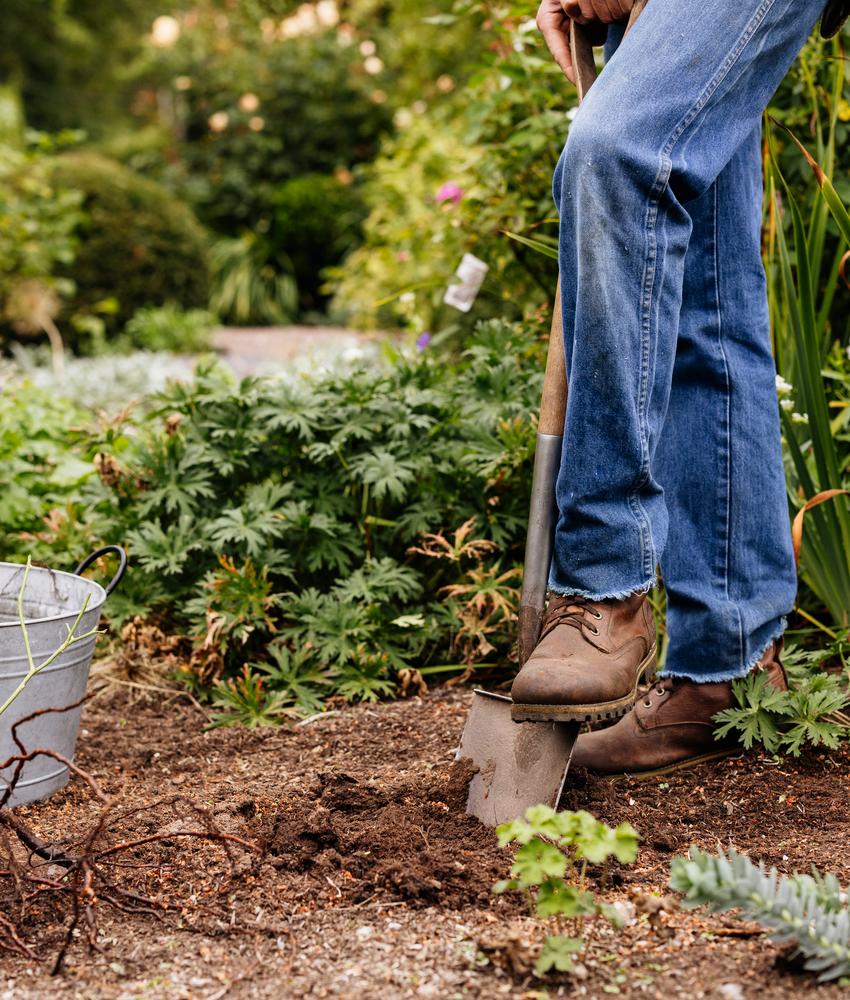
Now that you know each part of your rose, planting it is simple. Each step looks after a different part of the plant.
-
1
Soak the roots in a bucket of water for a few hours, so they are refreshed and ready to grow.
-
2
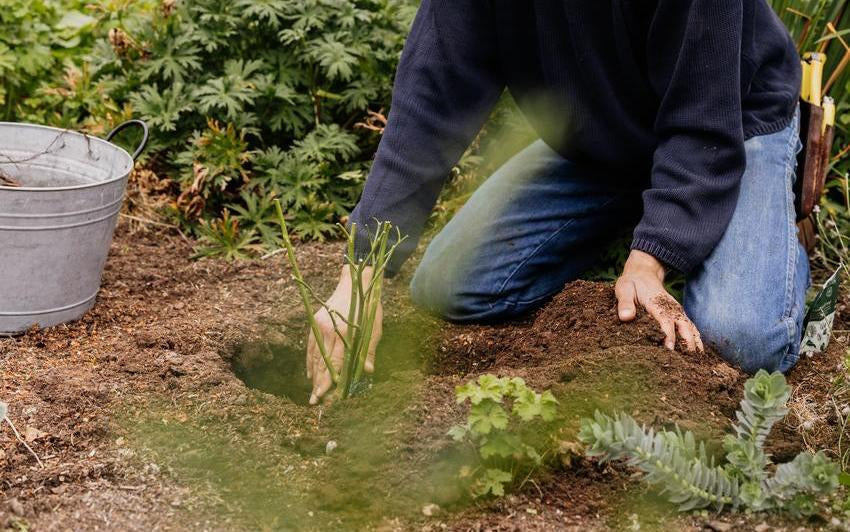
Dig a wide hole, comfortably wider than the spread of the roots, so they have room to stretch out.
-
3
Spread the roots gently in the hole, rather than bunching them together.
-
4
Check the depth, so the bud union sits about 5cm (2in) below the soil surface. Laying a cane across the hole makes this easy to judge.
-
5
Backfill, firm and water, gently firming the soil around the roots and giving the rose a good drink.
Grow Bare Root Roses
Read more-
Planting Bare Root Climbing and Rambler Roses in the Ground: Step-by-StepBare root climbing and rambling roses bring both structure and romance to the garden, offering a traditional and sustainable way to cover walls, fences, and arches with abundant blooms. Planted between autumn and early spring, these roses establish naturally through the cooler months, ready to send out vigorous new shoots when warmth returns. With a little preparation and care, they will reward you for many years with graceful growth and exquisite fragrance.
-
Planting Bare Root Shrub Roses in a Pot: Step-by-StepBare root shrub roses are a perfect choice for growing in containers, offering beautiful, bushy growth and abundant, fragrant blooms throughout the summer and into autumn. Planting them in a pot allows gardeners without a garden bed to enjoy the elegance of English Roses, while giving the plant the freedom to establish strong roots in a controlled environment. By following a few careful steps, your rose will settle naturally and flourish for years to come.
-
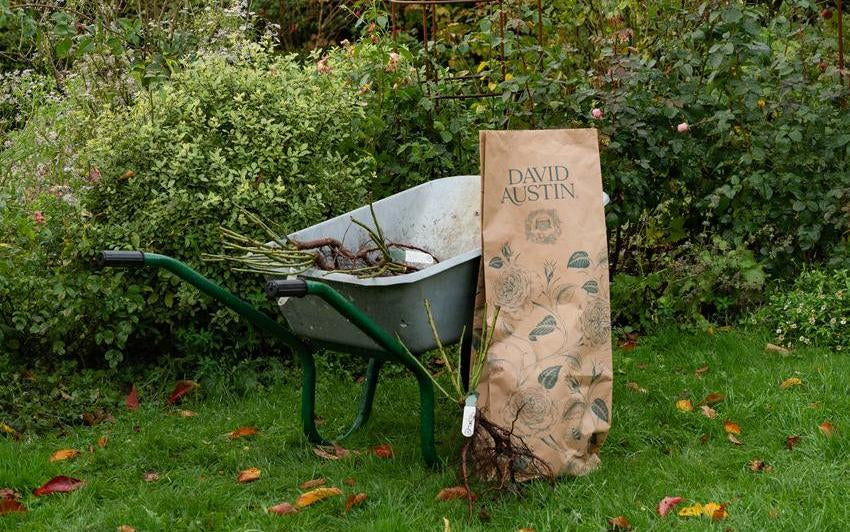
Bare Root or Potted? Why Our Roses Come Two WaysAcross the year, you'll find two different forms of David Austin® rose available. For much of the year, our potted roses are ready and waiting, cut back and dormant during the cooler months, in leaf and growth through the warmer ones. Then, once the growing season draws to a close, our bare root roses come into their own, dug fresh from the field and sent out while fully dormant, just as English roses have been grown and shared for generations.
-
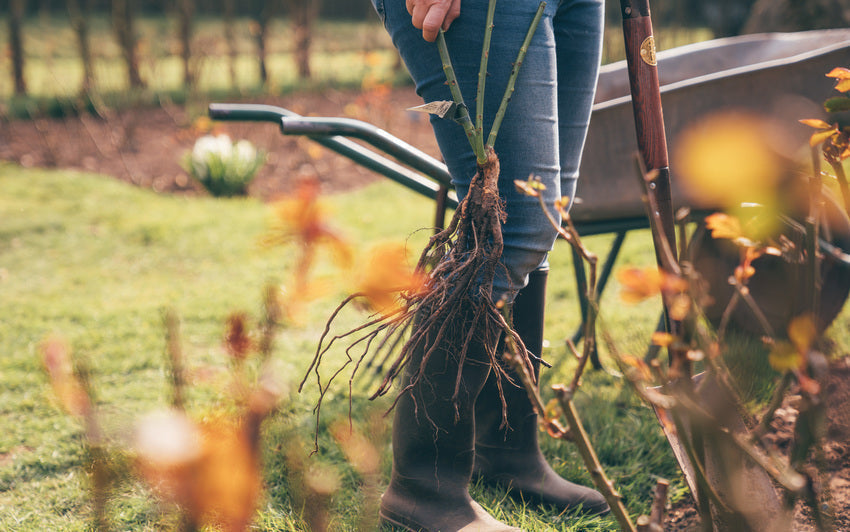
Planting Bare Root Roses: Step-by-Step for Garden and PotsBare root roses arrive simply, as stems and roots, quietly waiting for the garden to bring them to life. With care, they can transform into lush, flowering plants, filling a garden with colour, fragrance, and presence. Affordable, easy to handle, and a traditional favourite among gardeners, they offer both charm and reward.
-
Planting Bare Root Shrub Roses in a Pot: Step-by-StepBare root shrub roses are a perfect choice for growing in containers, offering beautiful, bushy growth and abundant, fragrant blooms throughout the summer and into autumn. Planting them in a pot allows gardeners without a garden bed to enjoy the elegance of English Roses, while giving the plant the freedom to establish strong roots in a controlled environment. By following a few careful steps, your rose will settle naturally and flourish for years to come.
-
Planting Bare Root Climbing and Rambler Roses in the Ground: Step-by-StepBare root climbing and rambling roses bring both structure and romance to the garden, offering a traditional and sustainable way to cover walls, fences, and arches with abundant blooms. Planted between autumn and early spring, these roses establish naturally through the cooler months, ready to send out vigorous new shoots when warmth returns. With a little preparation and care, they will reward you for many years with graceful growth and exquisite fragrance.
-
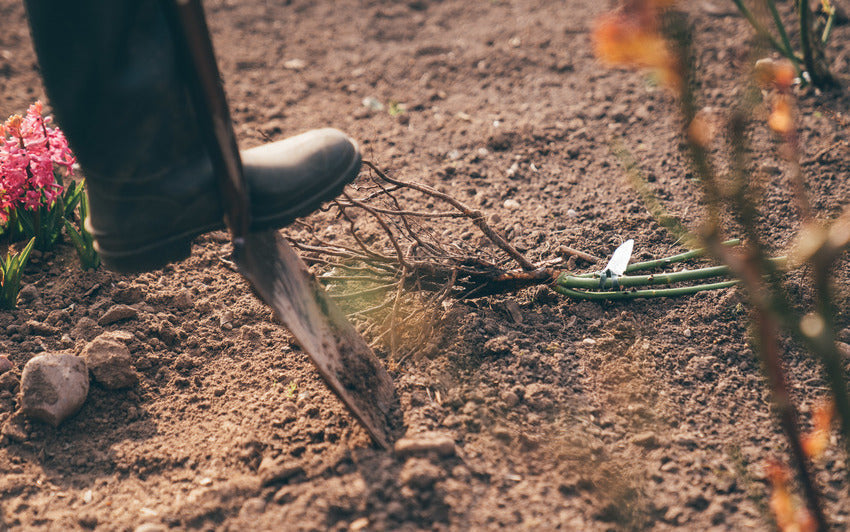
Planting Bare Root Shrub Roses in the Ground: Step-by-StepBare root shrub roses are a gardener’s delight, offering a traditional, sustainable, and rewarding way to add colour and fragrance to your garden. Delivered simply as stems and roots, they are designed to work in harmony with the seasons. Planted in autumn through to spring, they settle naturally into the soil over the colder months, ready to burst into life and reward you with blooms the following year. Easy to handle, they are a dependable choice for both new and experienced gardeners.
-
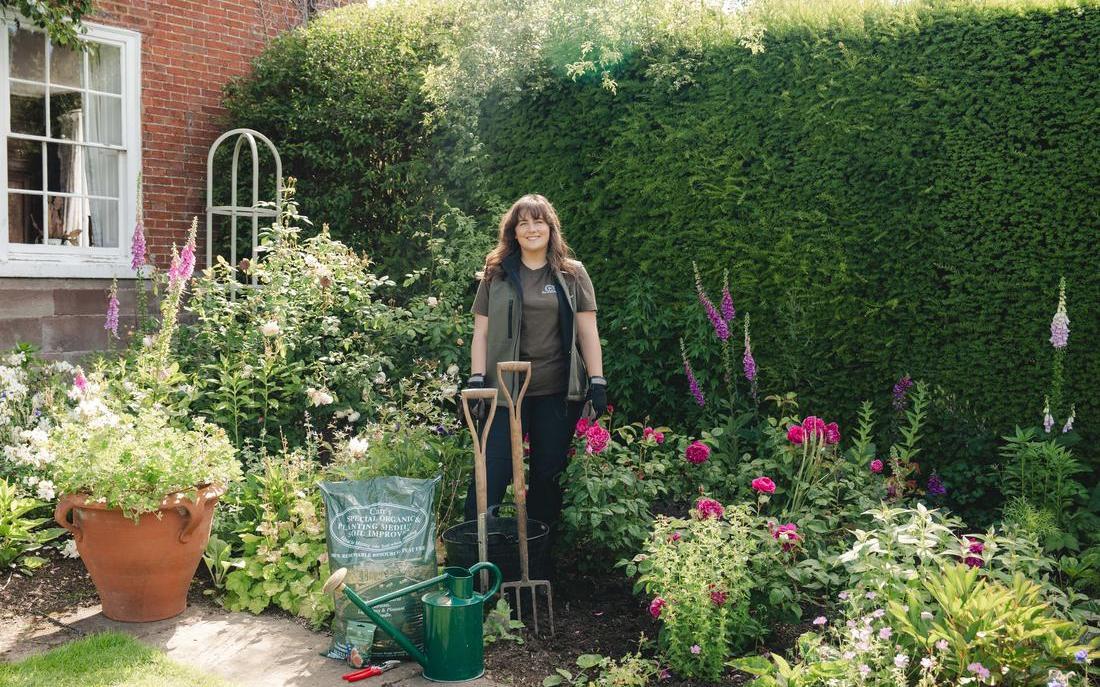
Moving a Rose: A Step-by-Step GuideRoses are wonderfully resilient, and sometimes a change of position is all that is needed to help one flourish. Perhaps a border is being redesigned, a rose would benefit from more sunshine, or a much-loved plant simply needs a little more room.
-
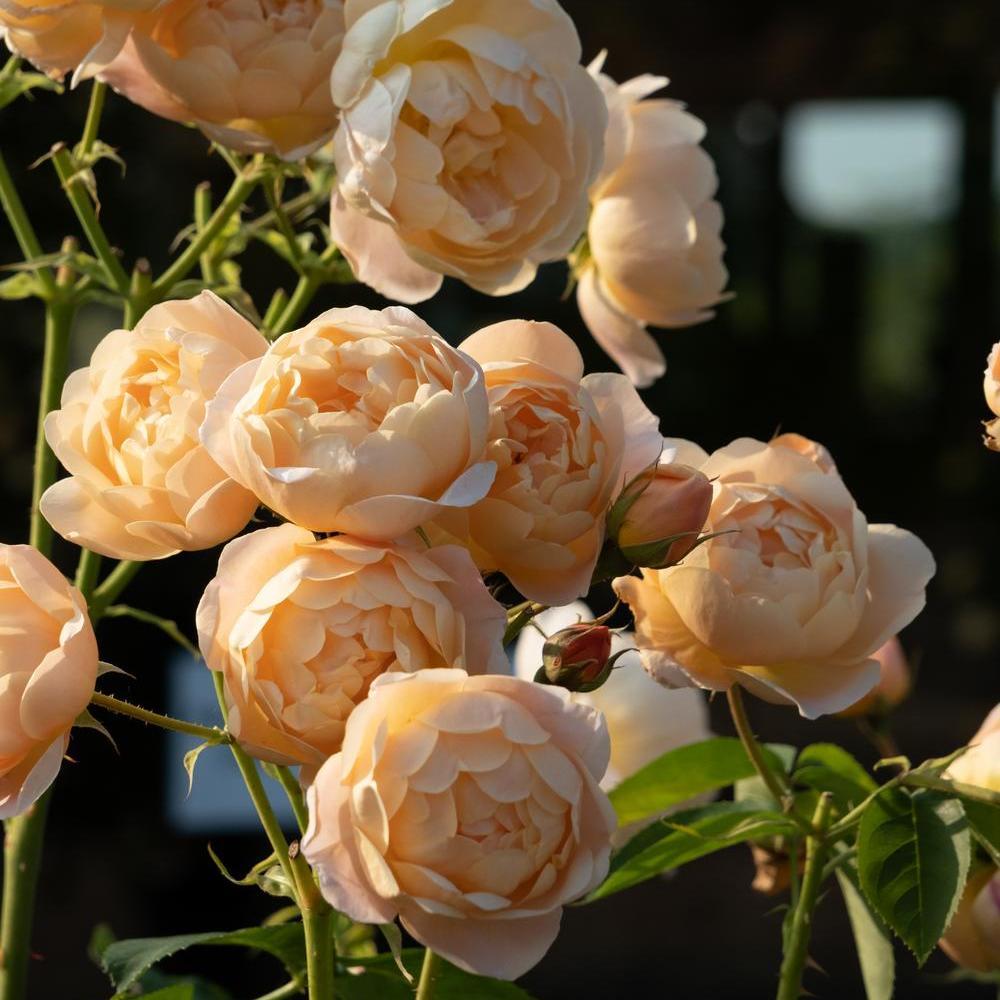
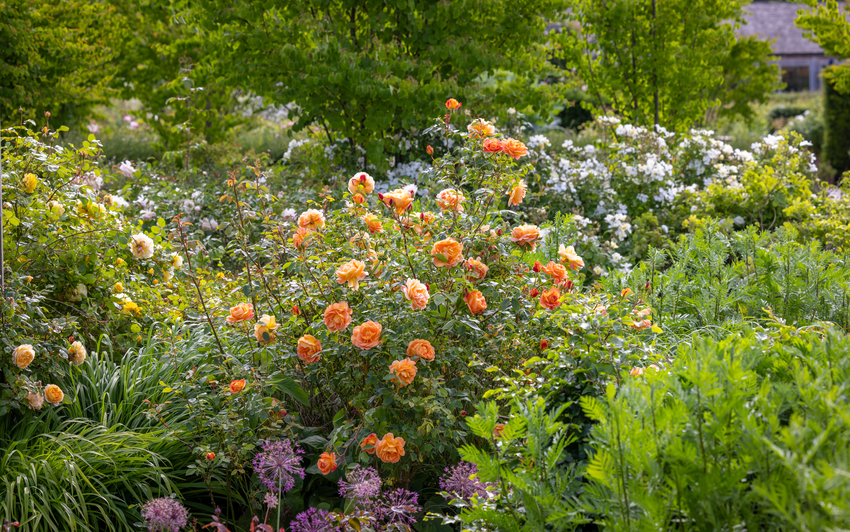
Rose Spotlight - Lady of ShalottLady of Shalott is the kind of rose that draws you across the garden. It arrives as a tight, salmon-red bud, then slowly loosens into a chalice of apricot and gold, as if someone had lit a small lamp inside it. When the evening sun is low, it seems to glow from within, a sight that stays with you long after the light has gone.
-
What Is a Bare Root Rose? A Beginner's Guide to Every PartOpening the box on your first bare root rose is an exciting moment. Inside, you'll find a neat bundle of roots and sturdy stems, carefully packed and resting for winter. There are no leaves or flowers yet, and that is exactly as it should be. Everything your rose needs to grow, flourish and flower for years to come is already there, ready and waiting for spring. Getting to know each part of your rose, and what it does, makes planting simple and helps you give it the very best start.
-
The Comfort of Autumn in the Rose GardenAutumn brings a particular kind of morning. You pull on a favourite jumper, step outside and feel the cooler air on your face, and somehow the day feels a little clearer. Leaves gather beneath your feet, the soil smells rich and damp, and the low sun turns everything a soft shade of gold.
-
First Look: Sir David Beckham, A Rose with Family at its HeartSir David Beckham (Ausa34b16) is a rose shaped by natural beauty, quiet strength and a deeply personal story. Created to mark a milestone year and inspired by a touching request from Harper for her father’s 50th birthday, this remarkable new English Shrub Rose is rooted in something deeply meaningful, a living symbol of family, resilience and enduring love. Yet beyond the story behind its name, Sir David Beckham is, above all, a rose of great garden beauty and presence.
-
The Rose Year BeginsAutumn brings a distinct richness that invites us to slow down and notice the changes. Leaves turn shades of amber and gold, while the lower, softer light catches the borders in the late afternoon. As cooler mornings bring heavy dew and that unmistakable, earthy scent of damp soil, the garden gradually settles down for the season.
-
What to Plant with English Roses for Autumn ColourBy the end of September, the rose garden is changing. The exuberance of summer is fading, and the rhythm of the season is slowing. Many English Roses are setting hips now, their once-constant flowers giving way to clusters of glowing fruits. Yet the borders need not feel diminished. With the right companions, roses can be framed and supported so that the garden still sings with colour, texture and grace well into autumn.