

What the Longest Day Reveals About Roses
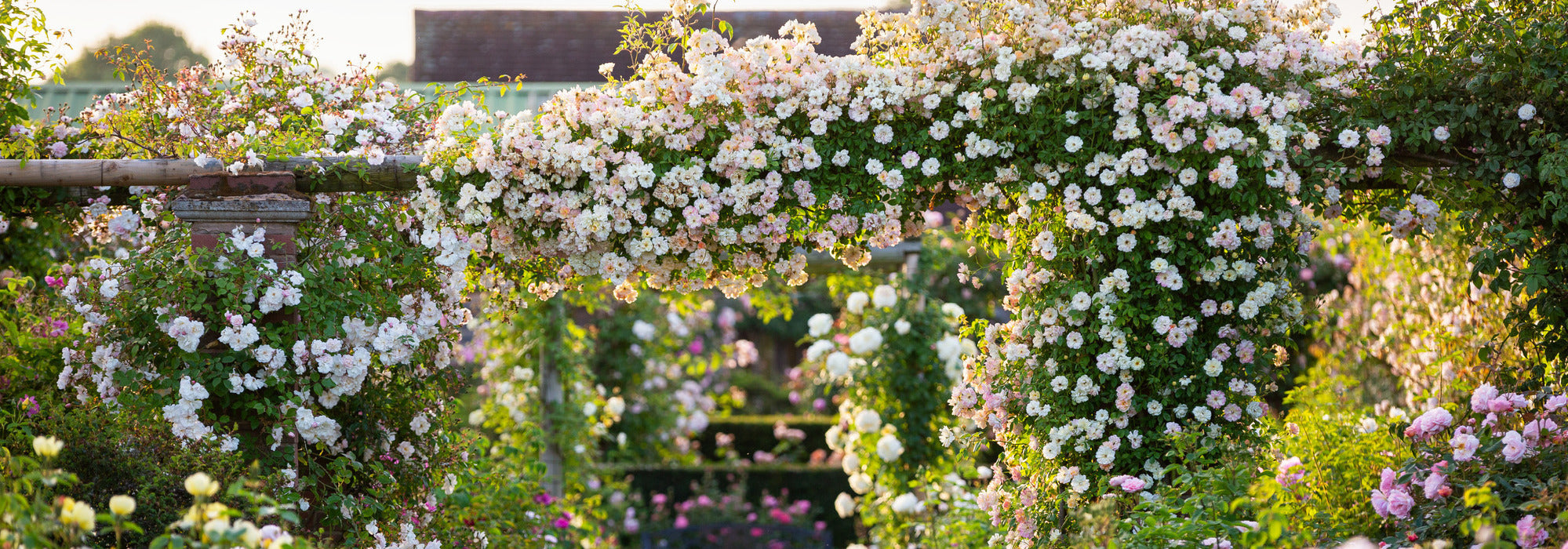

The summer solstice is often described as the longest day of the year. Yet in the rose garden, it feels like something more than that. Around 21st June, as daylight reaches its annual peak, roses seem to embody the spirit of the season. Pathways are lined with bloom, borders are filled with colour, and the air carries the unmistakable fragrance of midsummer. After months of anticipation, the garden has arrived at one of its most glorious moments.
Yet the solstice reveals something unexpected about roses. It is not simply a celebration of what they have achieved - it is also a glimpse of what lies ahead.
The weeks leading up to the solstice are a period of extraordinary energy. As daylight hours steadily increase through spring, roses respond with remarkable vigour. New shoots emerge, foliage expands, and flower buds develop in ever greater numbers. By late June, many varieties are producing an abundance of blooms, creating the impression that the garden is at its fullest expression.
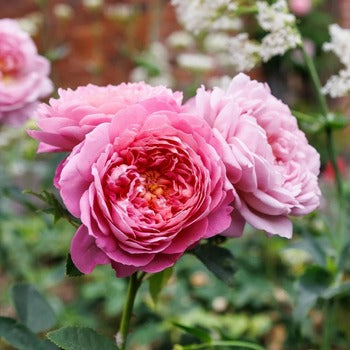
There is a sense of generosity to roses at this time of year. Flowers open in succession, often accompanied by rich fragrance and a remarkable range of colour, from the softest blush pinks to deep, velvety crimsons. For gardeners, it can feel like the reward for months of patient care.
What makes the solstice so fascinating is that it marks a turning point that is almost invisible. The longest day arrives, and from then onwards daylight begins, very gradually, to decrease. We scarcely notice the change, but roses do.
Many repeat-flowering varieties are already preparing for their next chapter. While some blooms continue to open, others begin to fade, making way for fresh growth and future flowers. Hip formation may start in spent blooms, while new shoots quietly develop lower down the plant. The rose is never truly still. Even at the height of flowering, it is already looking forward.
Gardeners often speak of the first flush of roses with good reason. Few sights can rival the abundance of early summer. Yet the solstice reminds us not to think of June as an ending.
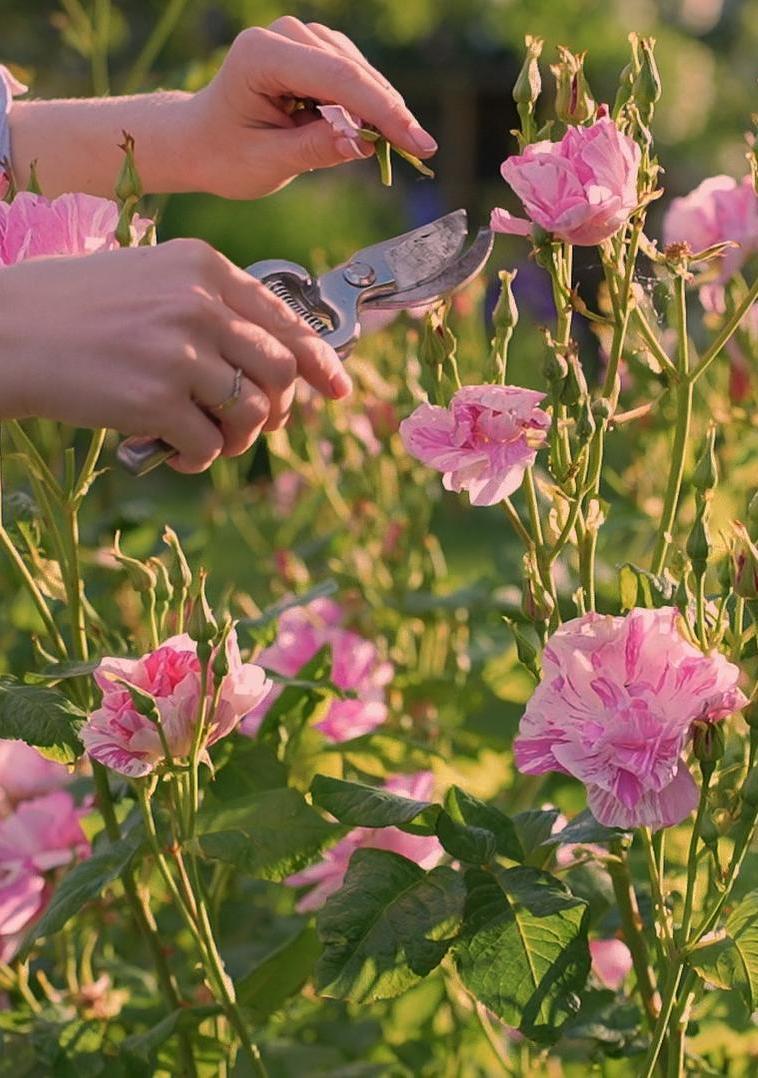 Deadheading faded flowers encourages many modern roses to direct their energy into producing fresh buds rather than setting seed. If you are unsure where to make your cuts to trigger a rapid second bloom, we have our step-by-step guide to deadheading roses.Learn more
 Learn more
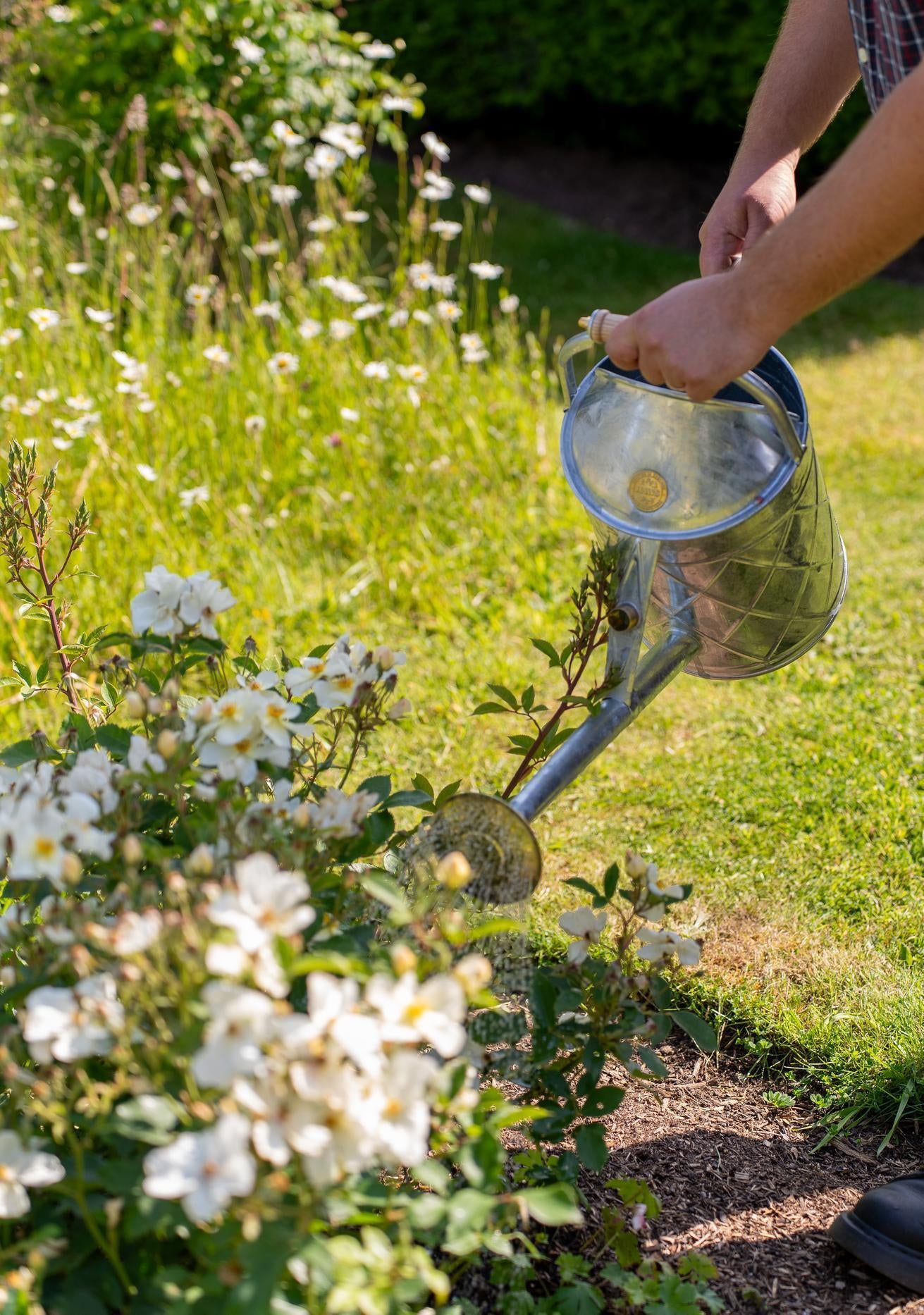
Along with regular deadheading, a little feeding and consistent watering during dry periods will support healthy growth through the weeks ahead. Before long, new buds begin to appear, promising further displays later in the season. In many ways, the rose garden after the solstice becomes a story of renewal rather than decline.
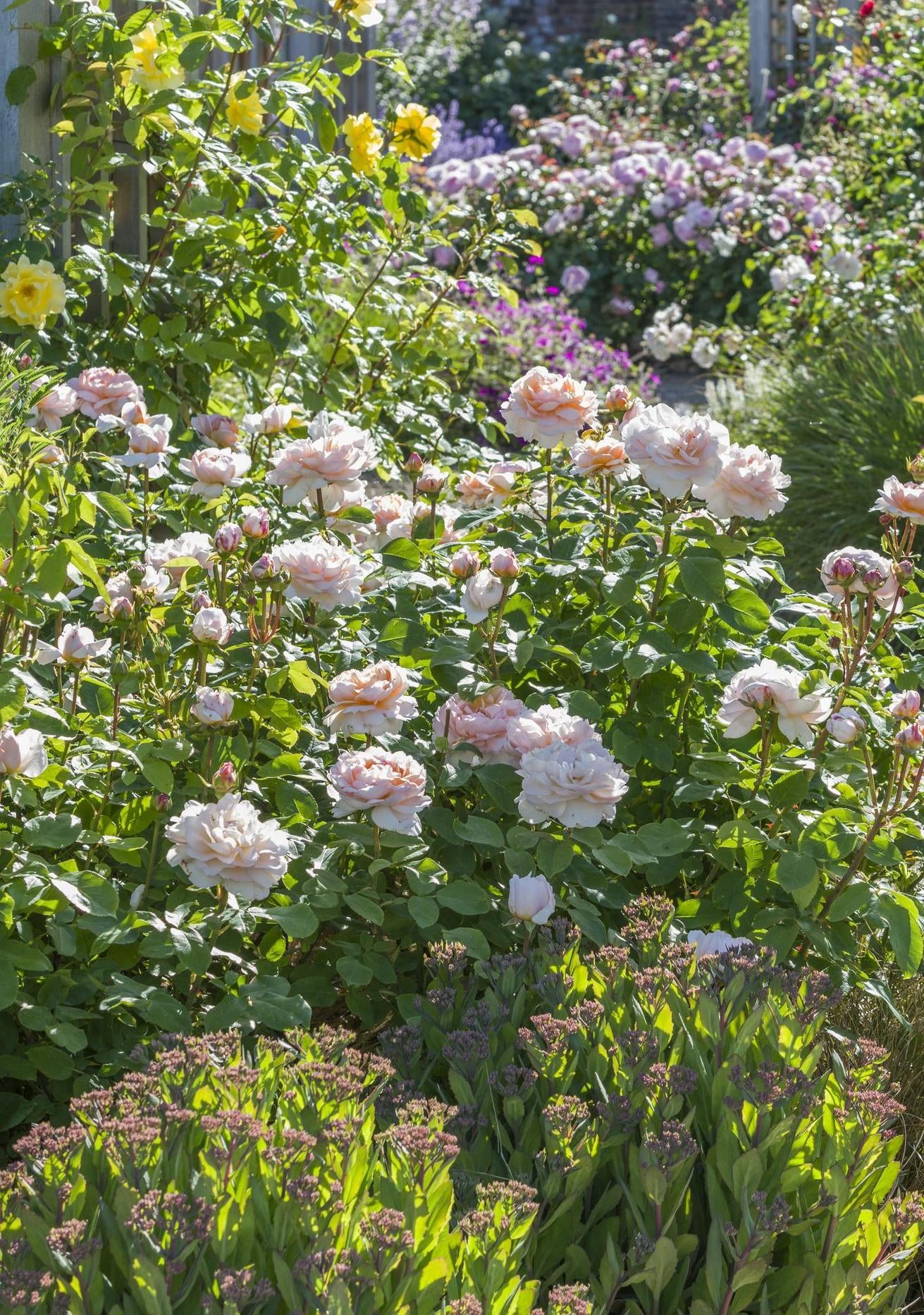
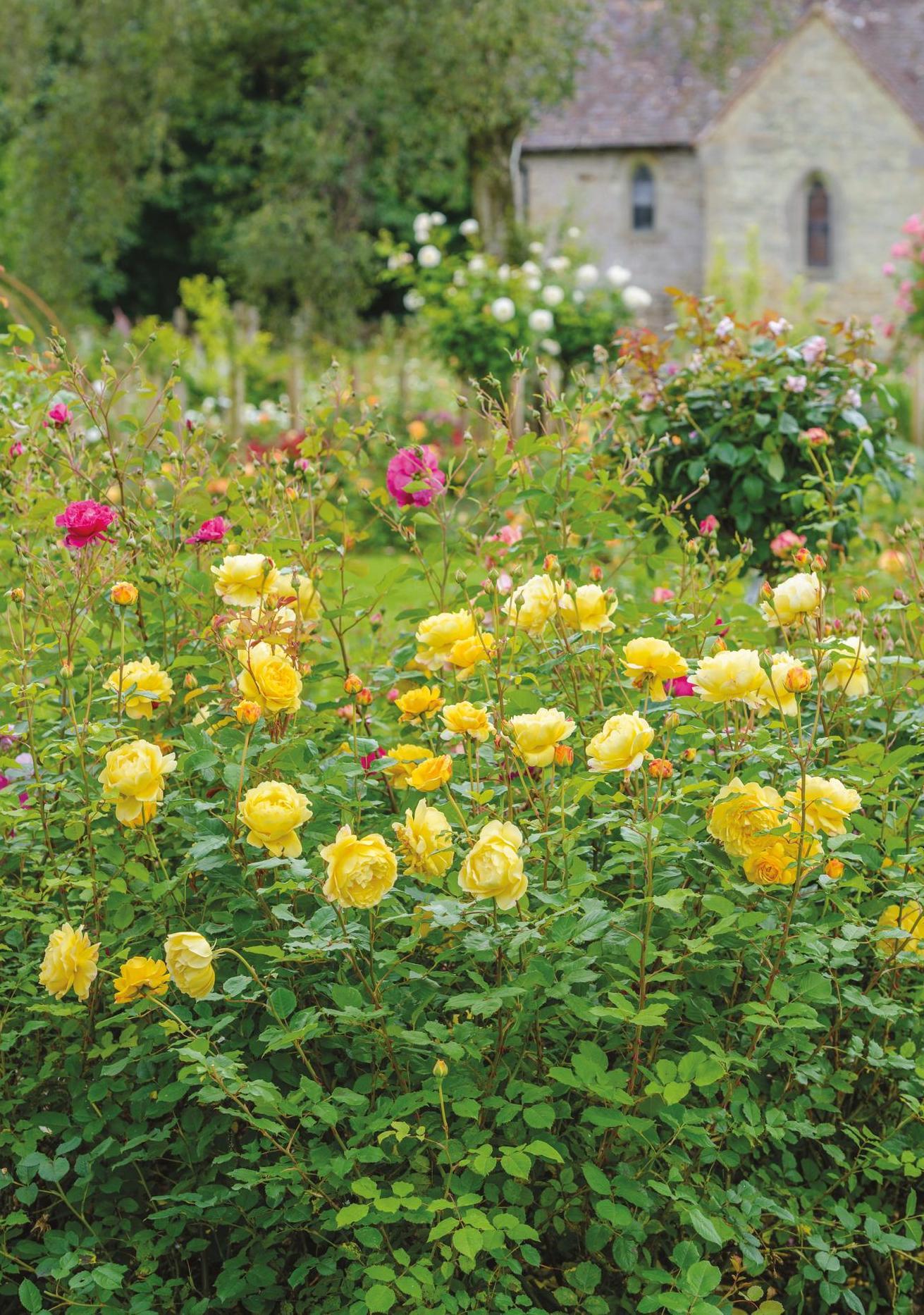
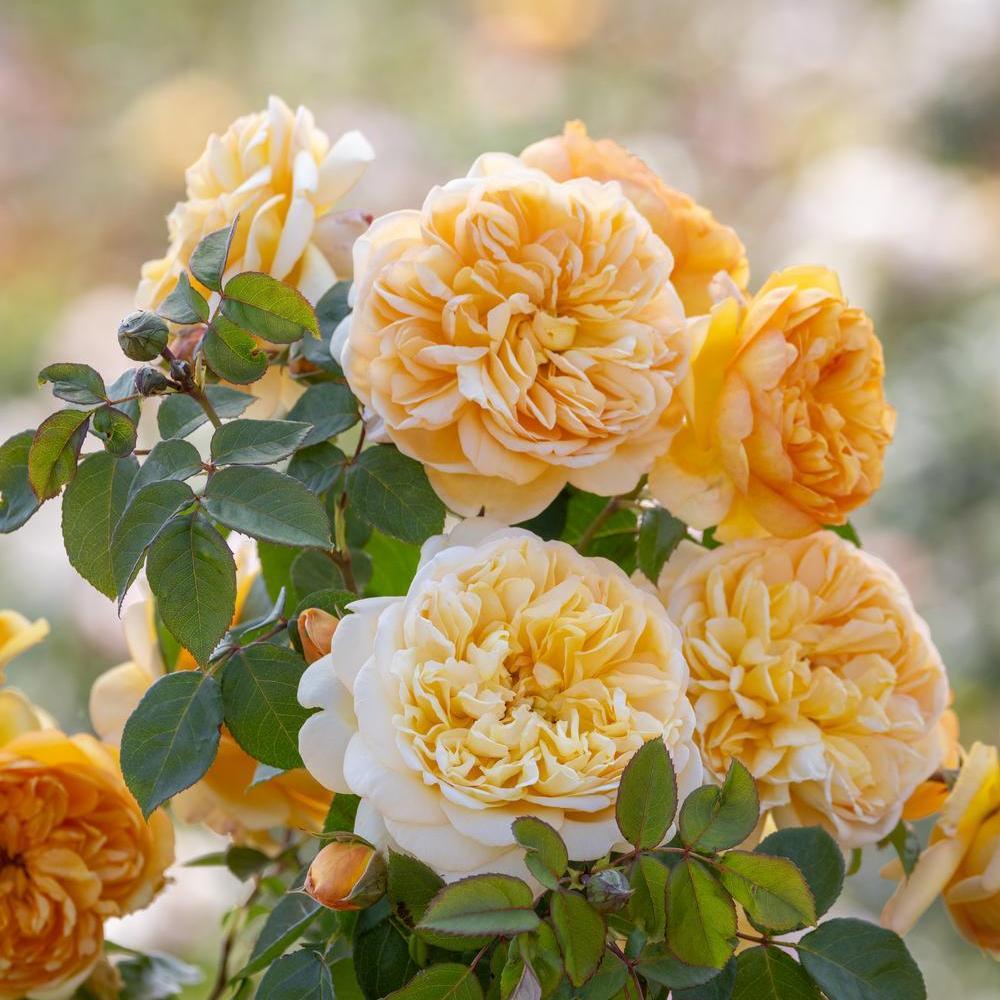
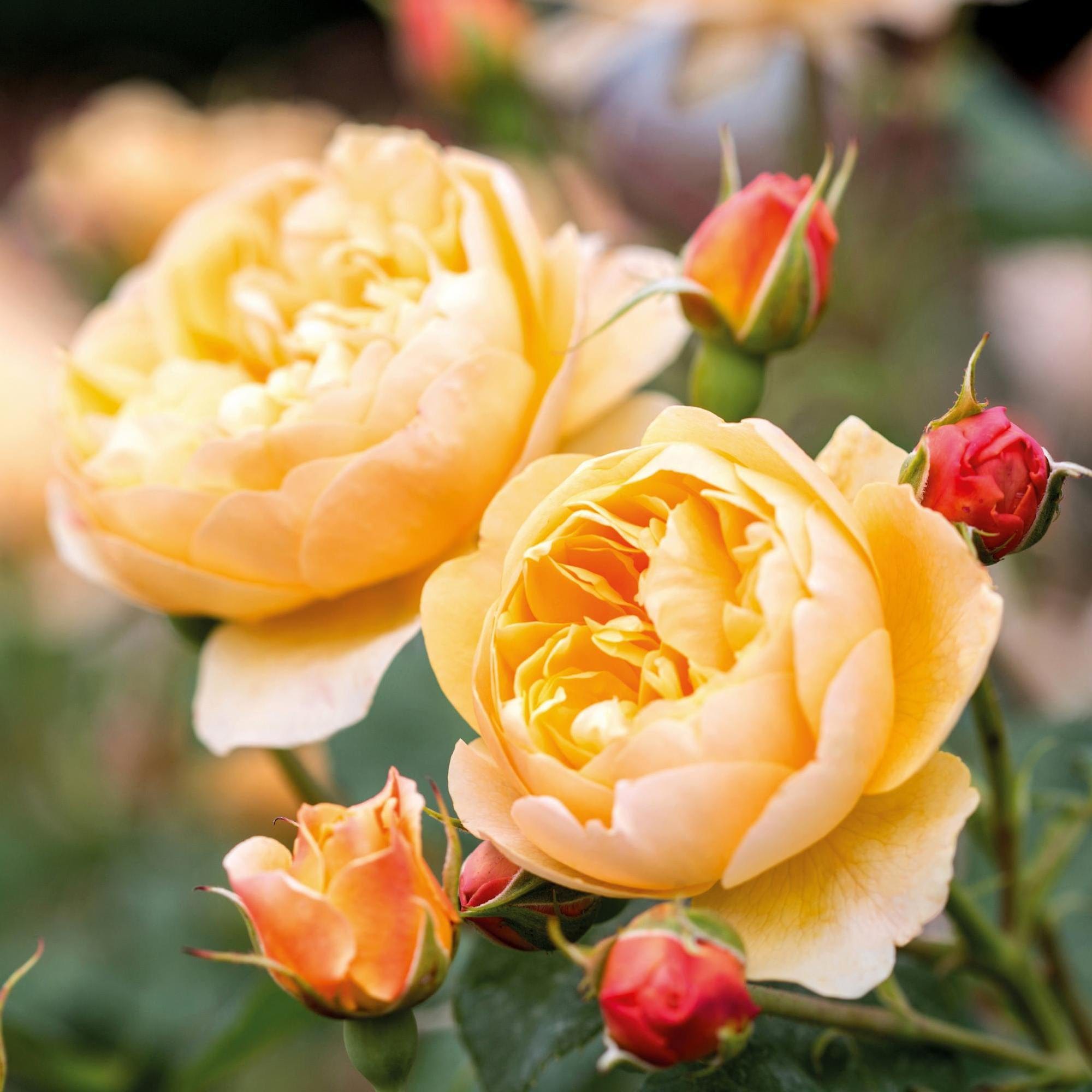
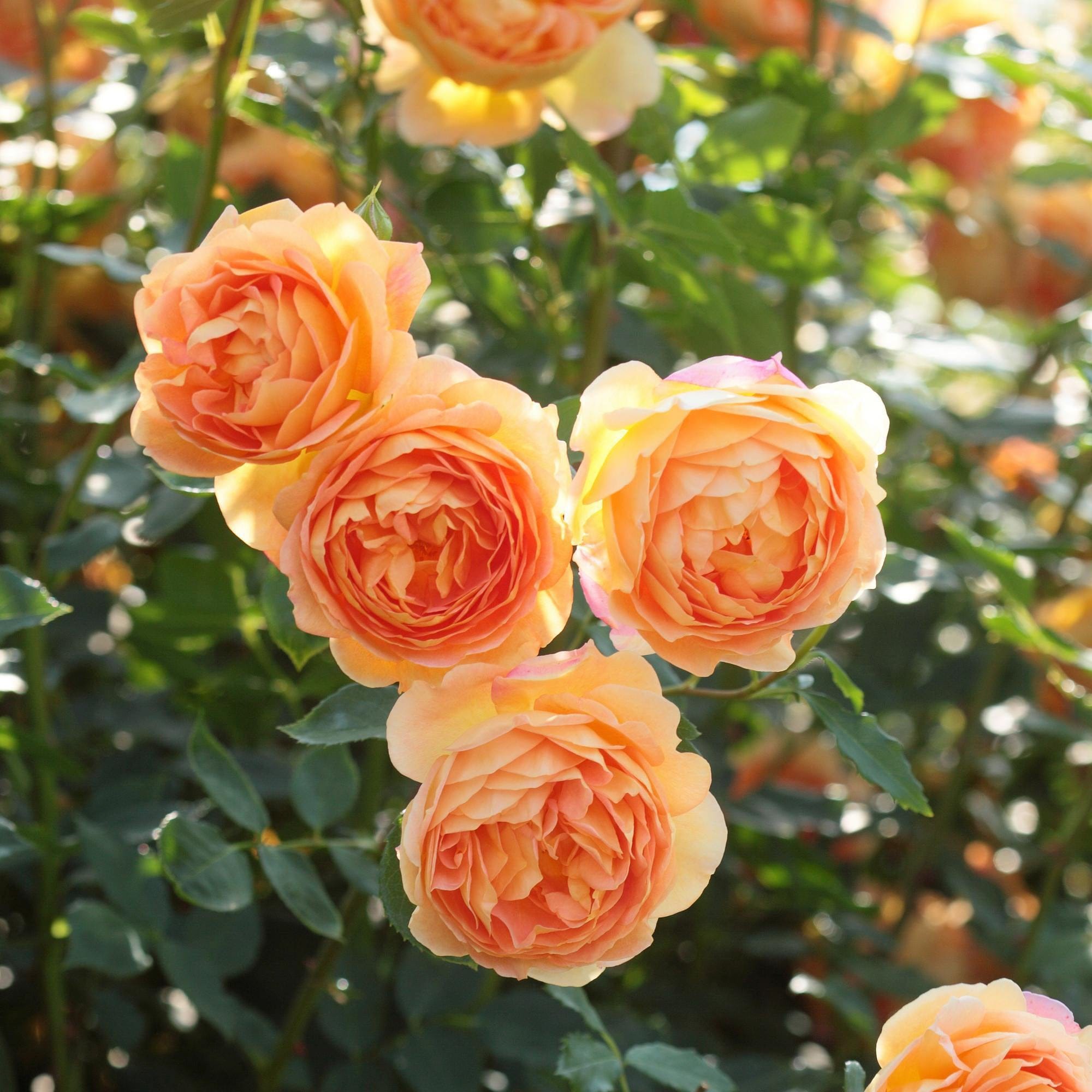
The long evenings around the summer solstice bring a special quality of light to the garden. As the sun begins to dip, golden and apricot-toned roses seem to glow from within, reflecting the warm hues of midsummer itself.
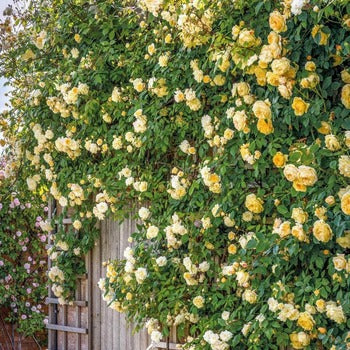
Varieties such as The Lady Gardener®, The Poet's Wife®, Golden Celebration® and Dame Judi Dench® are particularly beautiful at this time of day, their blooms catching the last rays of sunlight and bringing warmth and radiance to borders and pathways.
For many gardeners, these golden roses become the very colours of the solstice - rich, luminous and full of summer character.
The Beauty of Midsummer Evenings
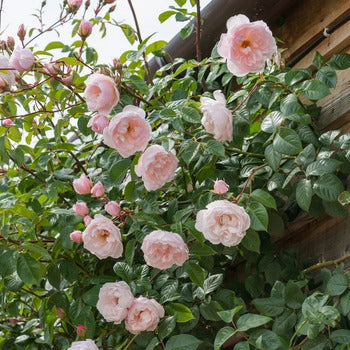
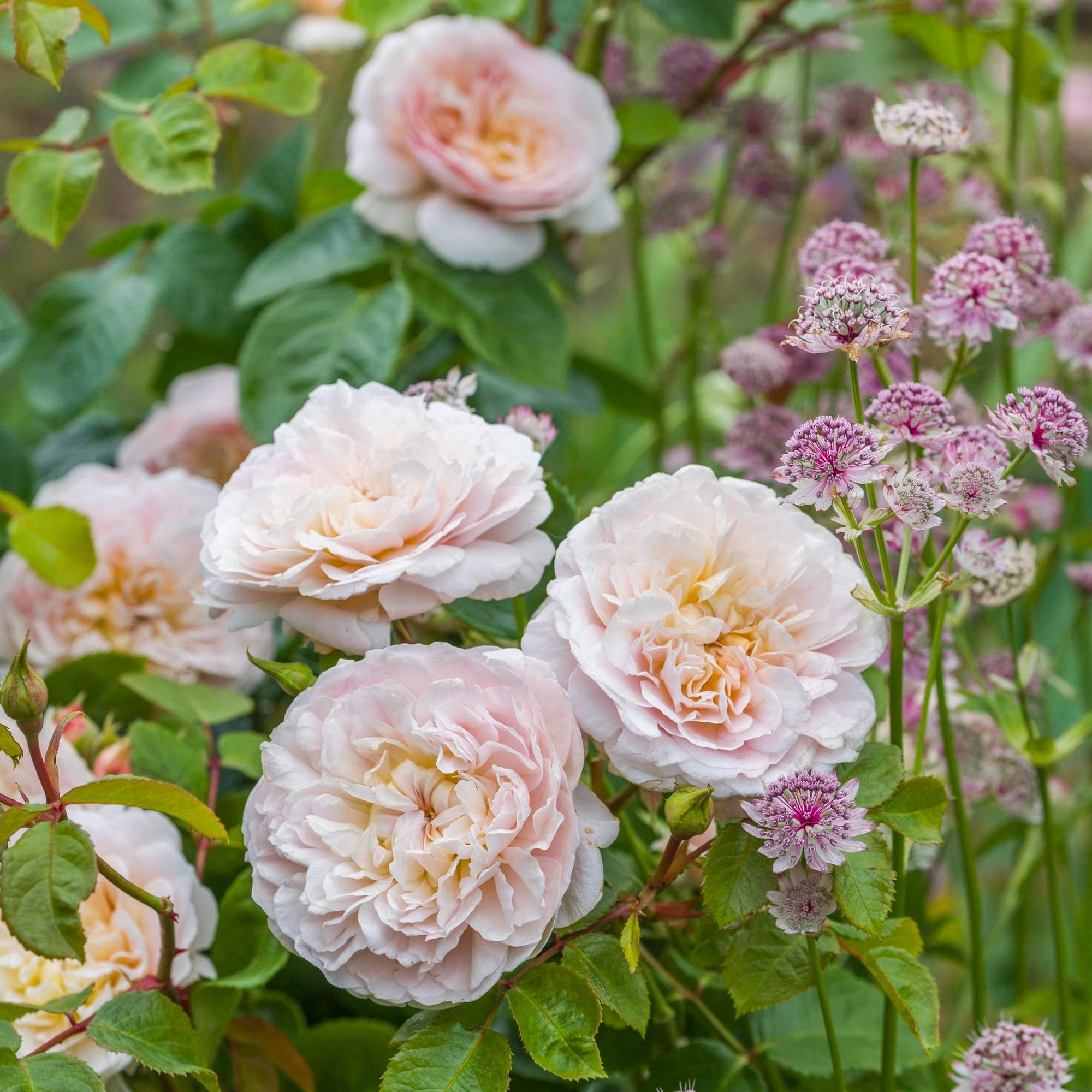
Perhaps nowhere is the magic of the solstice felt more strongly than during a long summer evening. As temperatures soften and the light takes on a golden quality, roses reveal a different side of their beauty. Fragrance seems richer. Pale blooms glow against dark foliage. Climbing roses draped over arches and walls catch the last rays of sunlight before dusk settles.
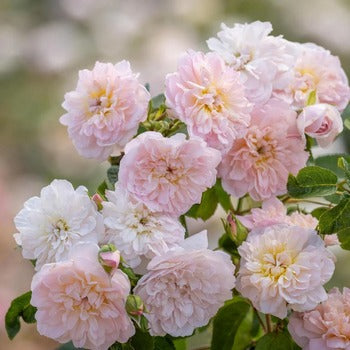
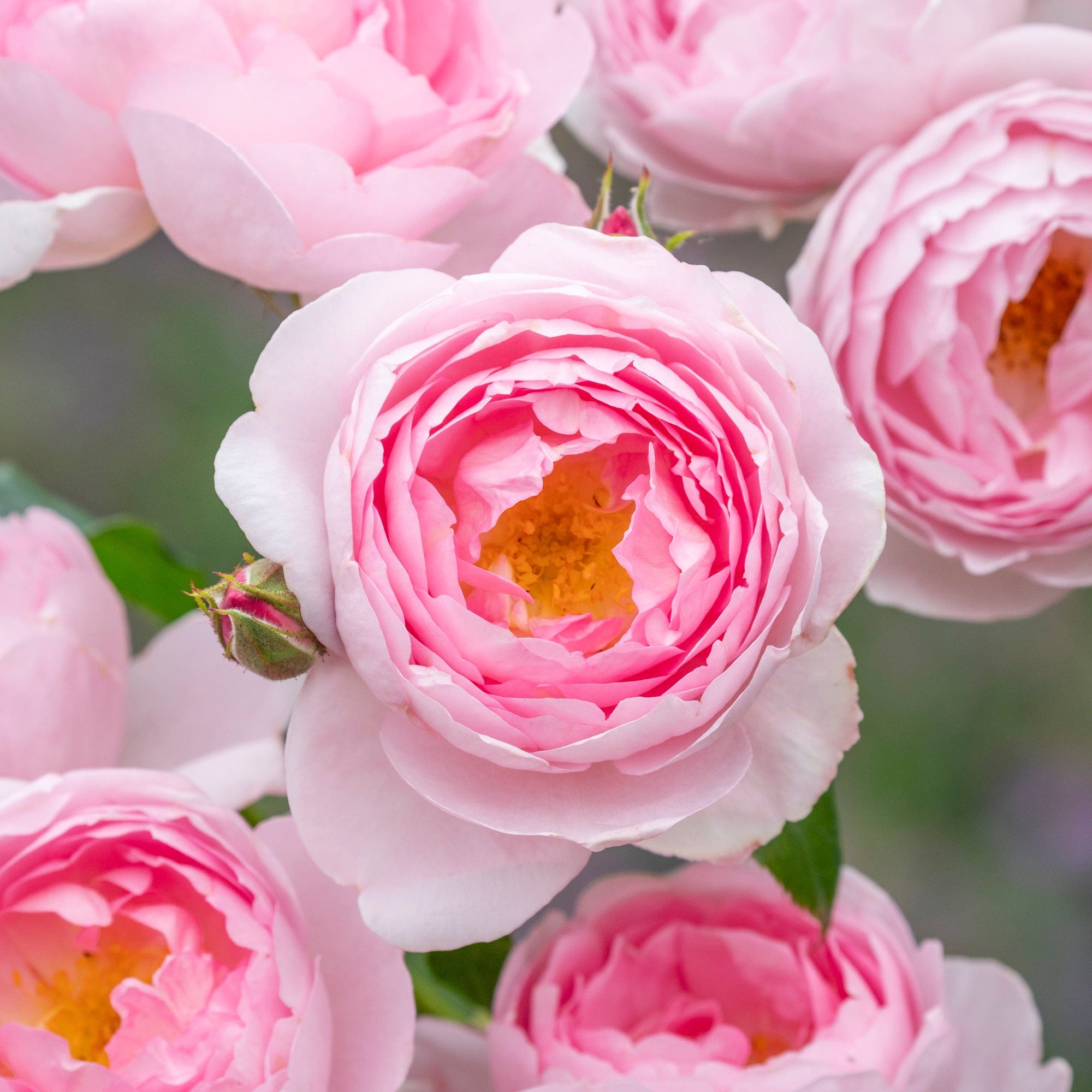
It is often at this quieter hour that we notice details overlooked during the day - the subtle colouring at the centre of a flower, the movement of pollinators among the blooms, or the scent carried on a gentle breeze. The rose garden becomes a place not simply to admire, but to experience.
What Roses Teach Us About the Solstice
The summer solstice is often associated with abundance, and roses certainly embody that spirit. Yet they also teach us something deeper. At the very moment they appear to have reached their peak, they are already preparing for what comes next. Growth continues. New buds form. Fresh flowers are waiting in the wings.
Perhaps that is the true lesson of the longest day. The rose garden reminds us that nature's finest moments are rarely fixed. They unfold, evolve, and return in different forms throughout the season. The solstice is not a full stop, but a comma - a pause to appreciate the beauty of the present before the story continues. And as the evening light lingers over the garden and the fragrance of roses drifts through the air, there can be few better places to witness it.
-
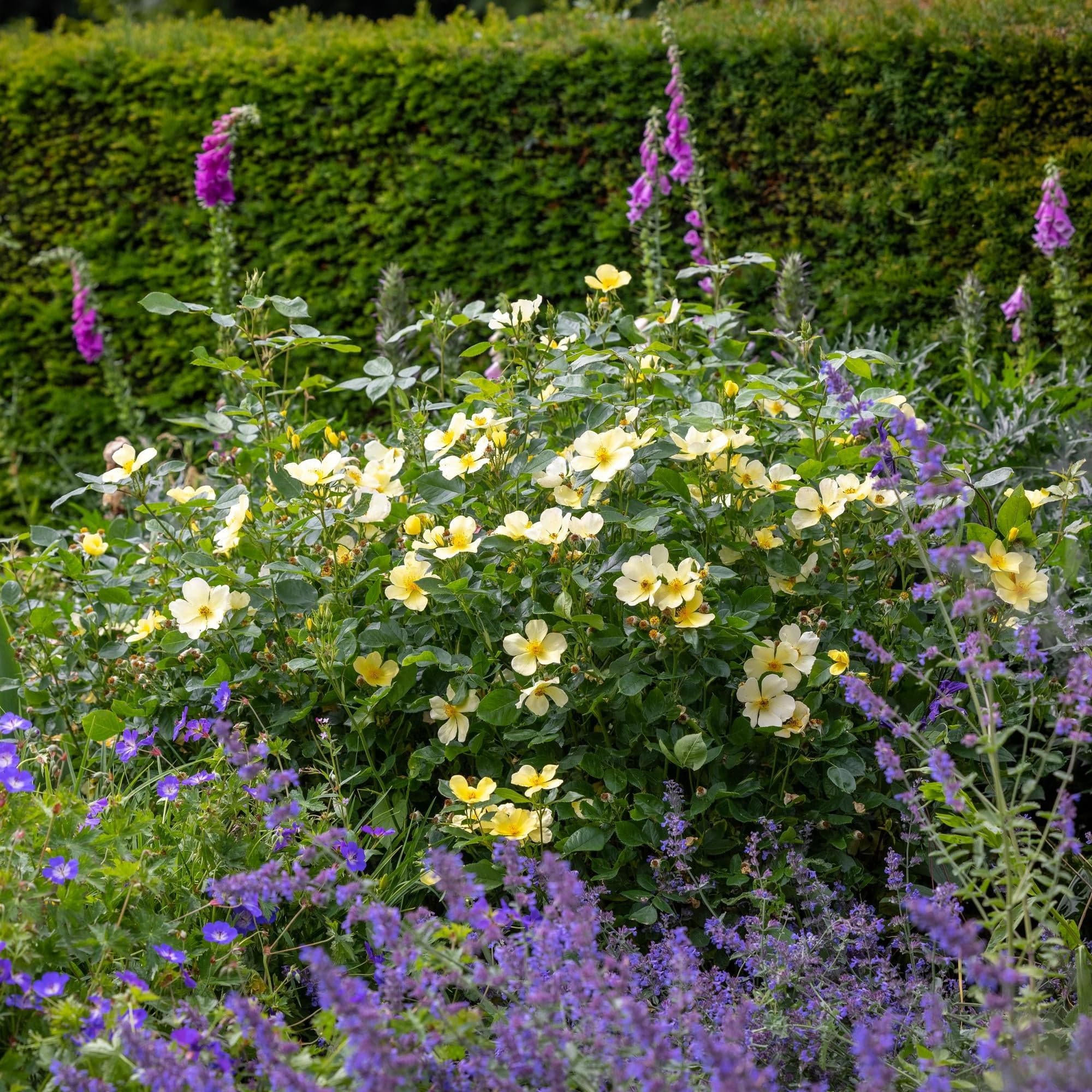
First Look: Sir David Beckham, A Rose with Family at its HeartSir David Beckham (Ausa34b16) is a rose shaped by natural beauty, quiet strength and a deeply personal story. Created to mark a milestone year and inspired by a touching request from Harper for her father’s 50th birthday, this remarkable new English Shrub Rose is rooted in something deeply meaningful, a living symbol of family, resilience and enduring love. Yet beyond the story behind its name, Sir David Beckham is, above all, a rose of great garden beauty and presence.
-
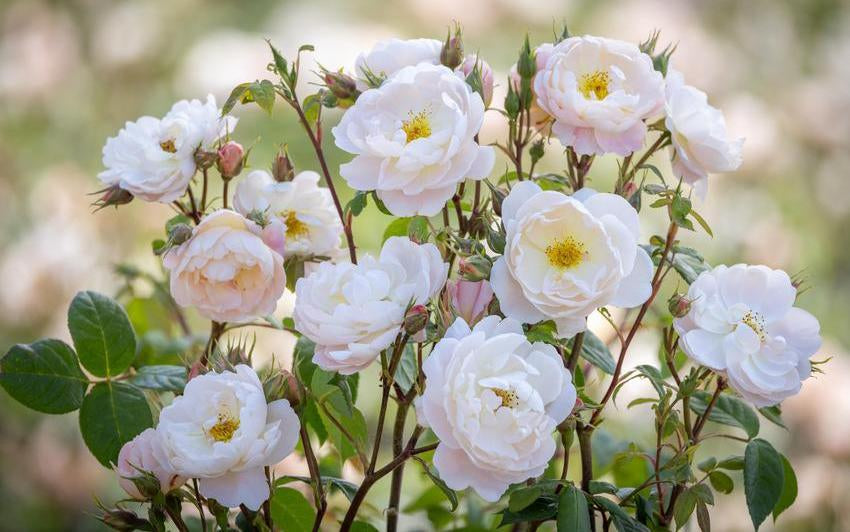
The Rose Year BeginsAutumn brings a distinct richness that invites us to slow down and notice the changes. Leaves turn shades of amber and gold, while the lower, softer light catches the borders in the late afternoon. As cooler mornings bring heavy dew and that unmistakable, earthy scent of damp soil, the garden gradually settles down for the season.
-
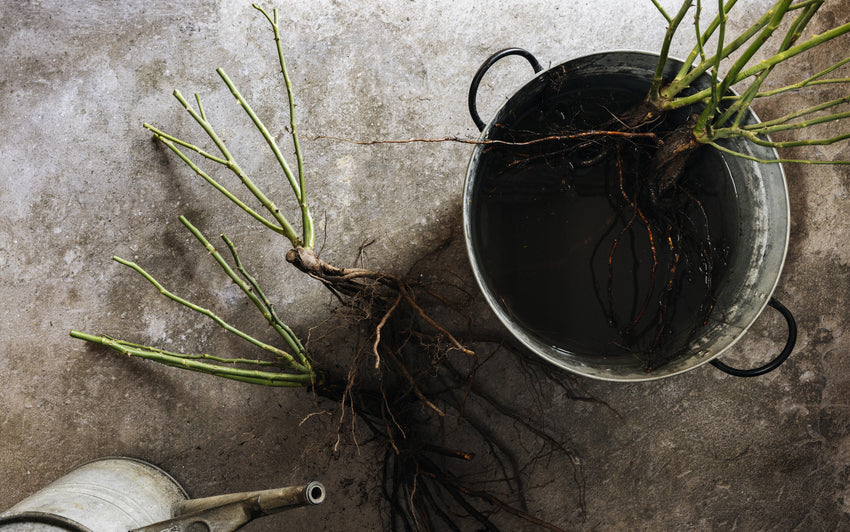
What to Plant with English Roses for Autumn ColourBy the end of September, the rose garden is changing. The exuberance of summer is fading, and the rhythm of the season is slowing. Many English Roses are setting hips now, their once-constant flowers giving way to clusters of glowing fruits. Yet the borders need not feel diminished. With the right companions, roses can be framed and supported so that the garden still sings with colour, texture and grace well into autumn.
-
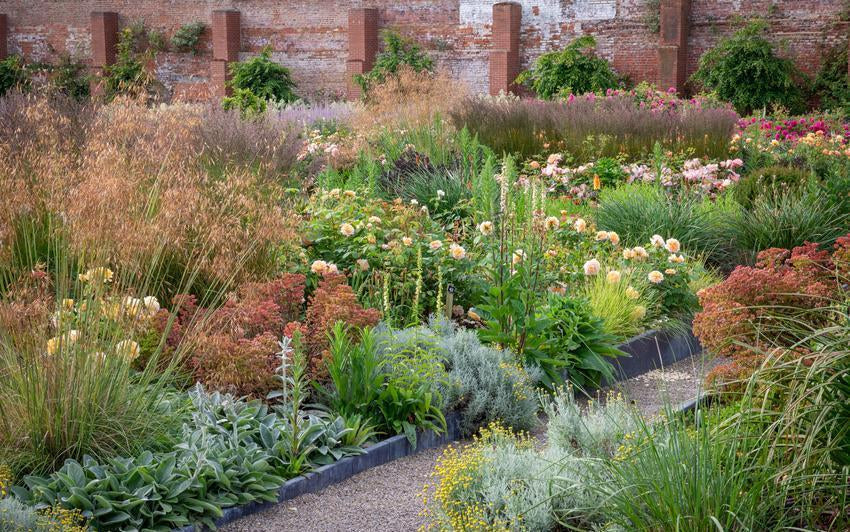
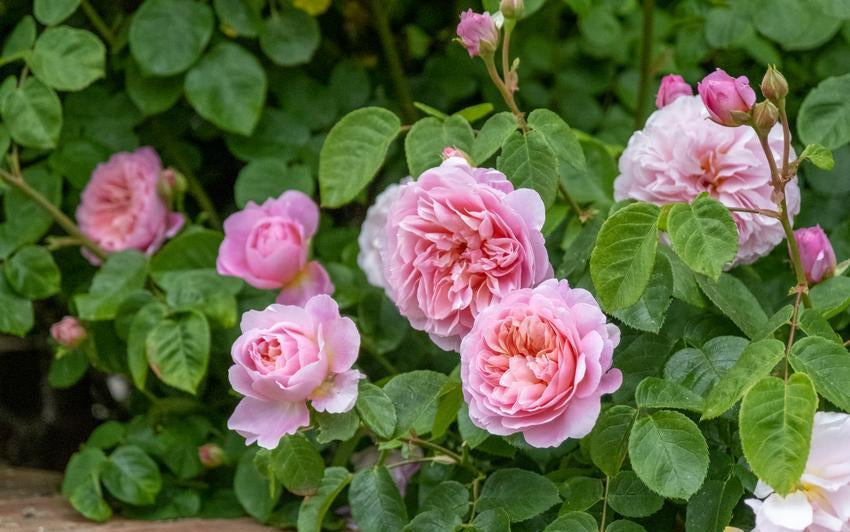
Roses with Large Blooms: Varieties for Garden ImpactA rose in full flower can transform a garden. Large, many-petalled blooms draw the eye through a border, bring colour to a quiet corner or create a beautiful focal point when grown in a pot.
-
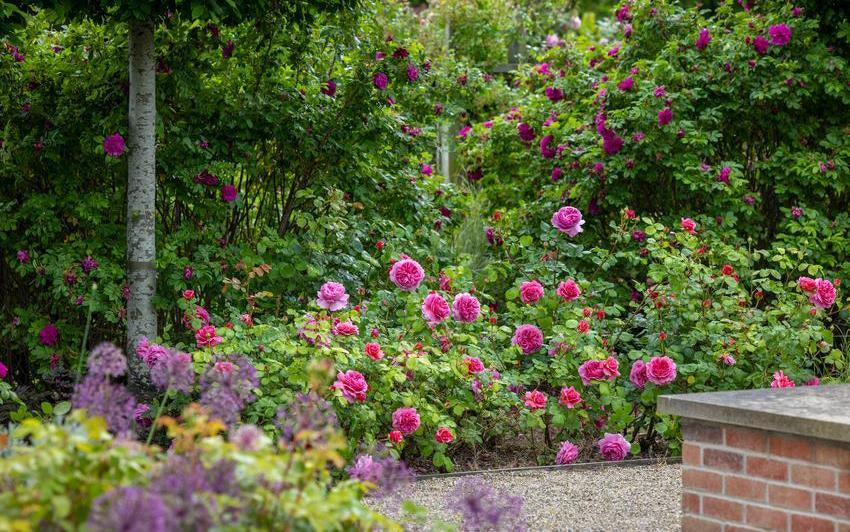
Best Fragrant Roses for Autumn: Scent and Colour Beyond SummerThe fragrance of a rose is never quite fixed. Temperature, humidity, time of day and even the stage of the flower can all influence how its scent is released and experienced. As the warmth of summer begins to soften into autumn, cooler mornings and greater moisture in the air create different conditions for fragrance, and a familiar rose can reveal itself in a rather different way.
-
Using Red Roses to Bring Richness and Depth to the GardenA red rose has a wonderfully compelling presence in the garden. Amongst a sea of green, even a glimpse of crimson catches the eye, drawing you closer for another look. Red can sometimes have a reputation for being difficult to use, particularly alongside softer colours. Yet the palette is far more varied than we might first imagine. From clear crimson to deep, velvety tones, red roses can bring warmth, richness and depth to a garden without overwhelming it.


