

How to Train and Tie-In Climbing Roses
A practical guide to shaping beauty
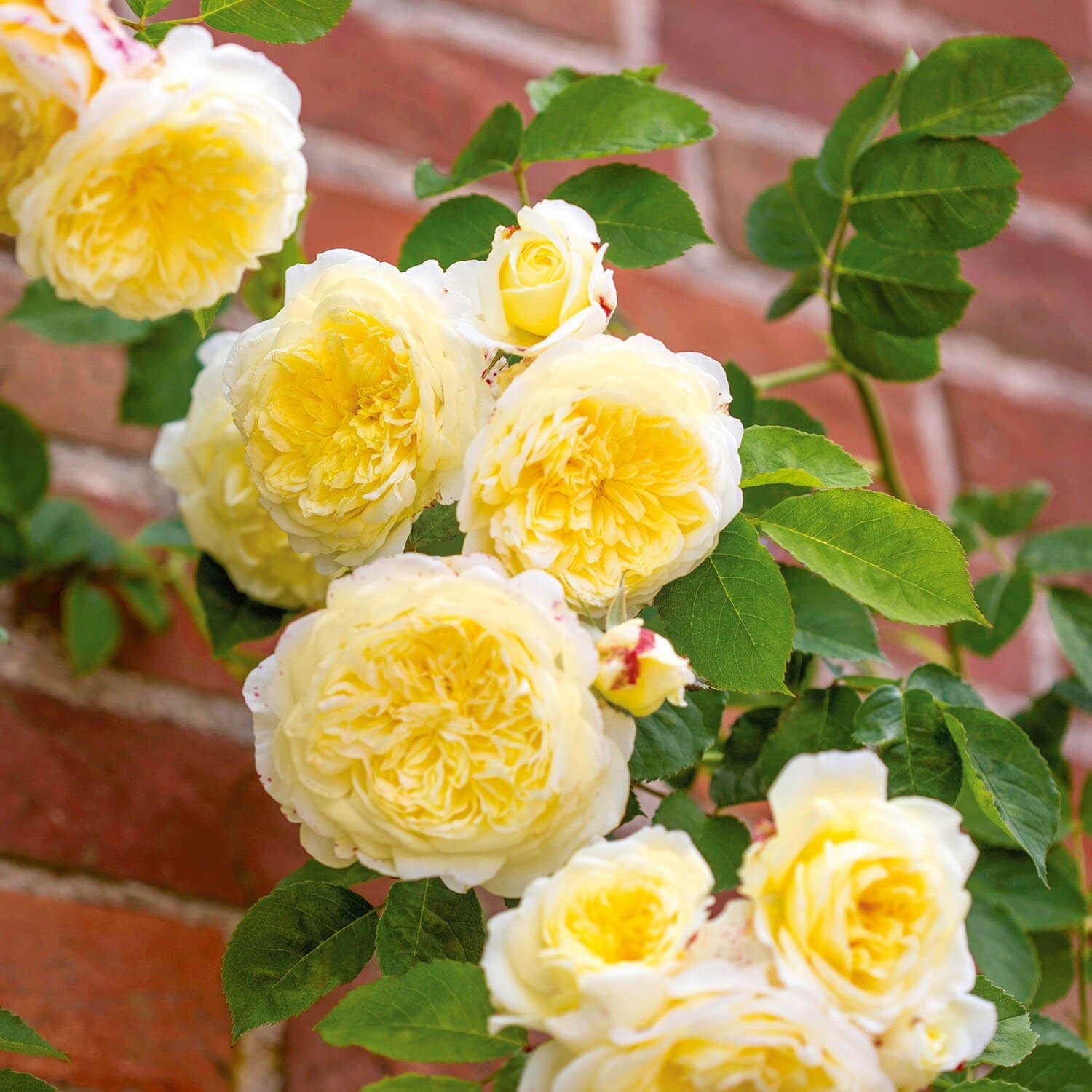
Training a climbing or rambling rose is one of the most rewarding tasks in the garden. With a little early guidance, those long, searching stems can be encouraged exactly where you want them, turning walls, arches, fences, and pillars into living tapestries of bloom. Left entirely to themselves, roses will still grow, but thoughtful training brings balance, structure, and a far richer display of flowers.
At its heart, training is simply directing growth. Tying-in secures that growth so wind and weather cannot undo your work.
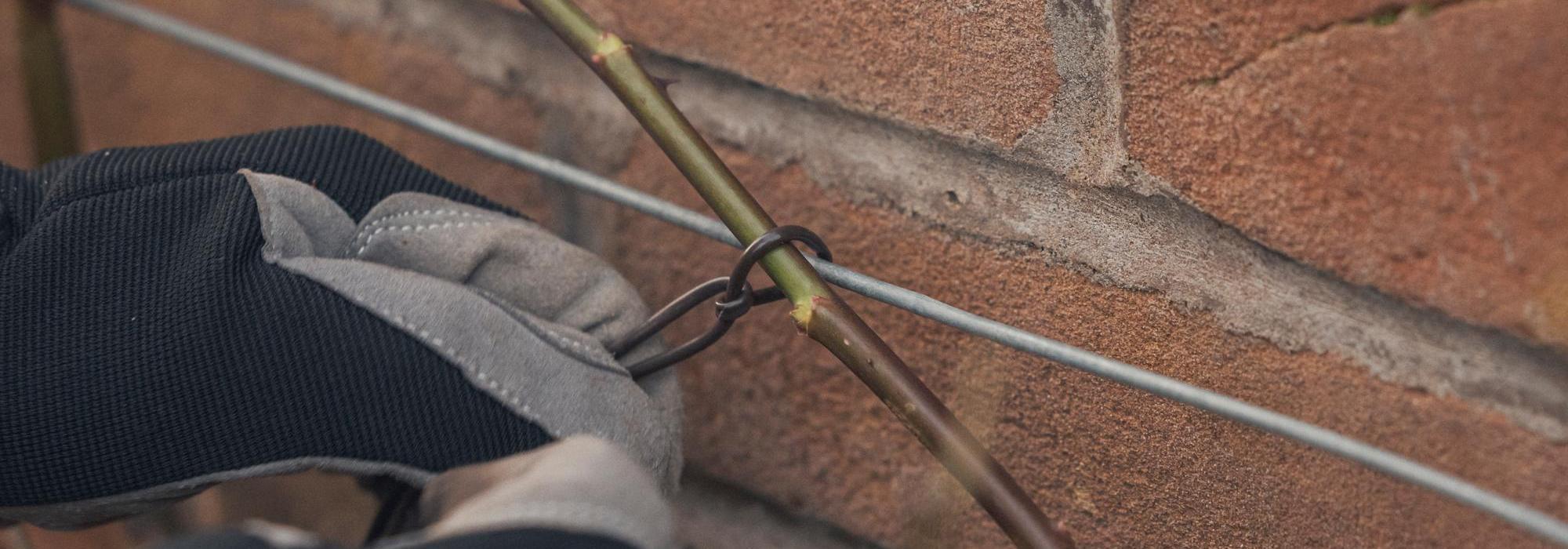
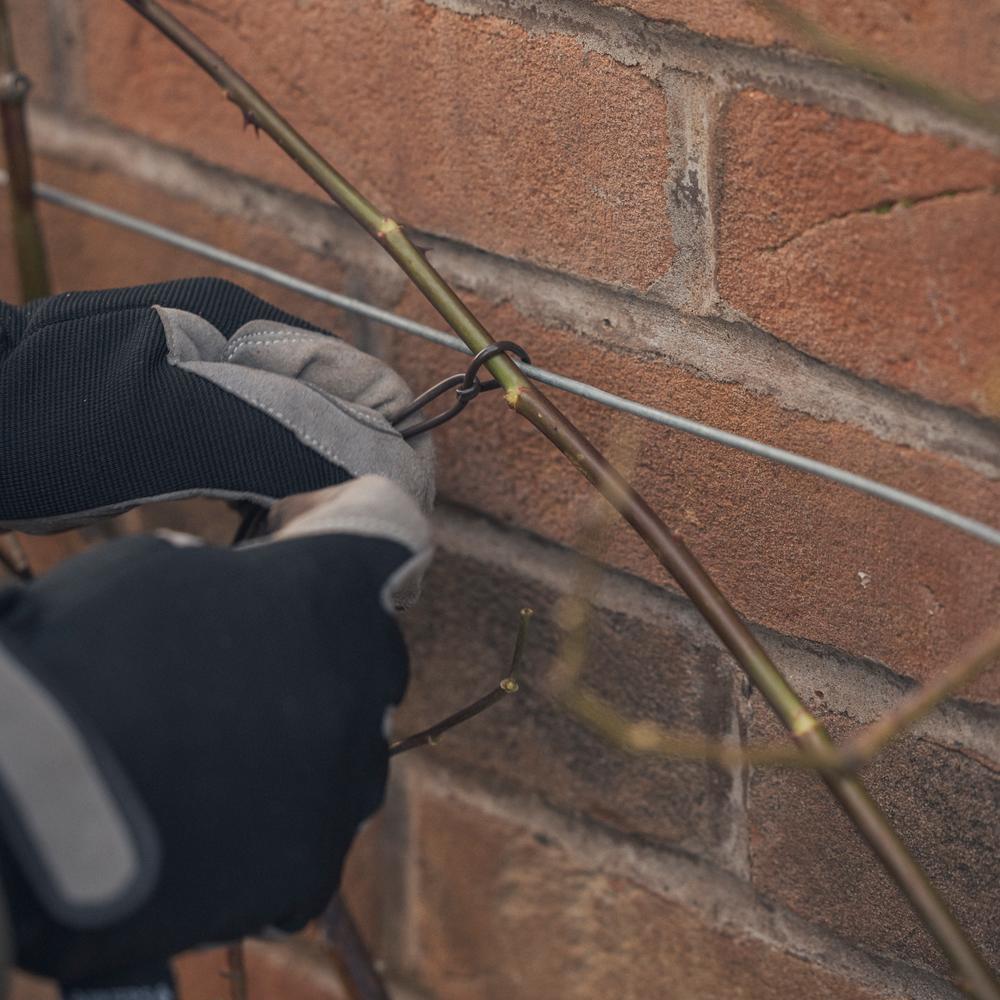
Tying-in is the process of fastening rose stems to a supporting structure using soft twine or a flexible plant tie. Climbing and rambling roses do not cling like ivy. They rely on you to anchor their stems safely.
The aim is firmness without restriction. Stems should be held securely, yet allowed enough space to thicken naturally over time. A tie that is too tight can bruise or weaken the cane; too loose and the stem may rub or snap in strong winds.
The essentials are refreshingly simple. Soft garden twine, jute twine, or a product such as Flexi-Tie will prevent damage to stems. Secateurs are useful for removing awkward or surplus growth. For walls and fences, galvanised straining wire provides the ideal framework.
Why Training Matters
Training is not merely aesthetic, though the visual rewards are considerable. A well-trained rose produces more flowers. When stems are positioned horizontally or at gentle angles, sap flow slows slightly, encouraging the formation of flowering side shoots along the length of the cane. Vertical stems, by contrast, tend to produce growth and flowers mainly at their tips.
In other words, the way a rose is trained directly influences how generously it blooms.
Training Against a Wall or Fence
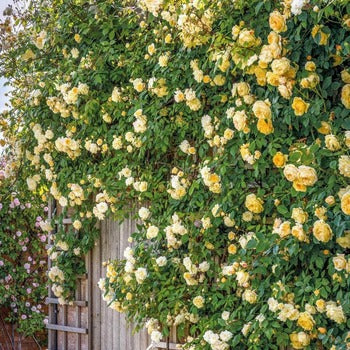
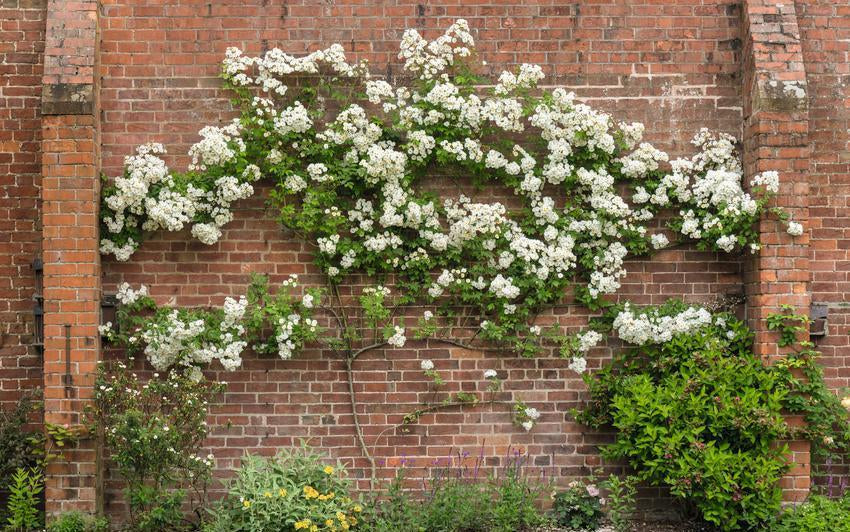
A bare wall or fence offers wonderful potential. The key is to establish a horizontal structure before the rose demands it. Straining wires fixed across the surface create anchor points that allow stems to be spaced evenly as they grow.
Begin with the lowest wire roughly 60cm (2ft) from the ground. Additional wires are typically placed every 30 to 45cm (12 to 18in) above. This spacing accommodates growth while allowing air to circulate freely, which helps maintain plant health.
As new stems lengthen, guide them sideways rather than straight upward. Fan them out gently to create balanced coverage. The effect, once flowering begins, is both natural and composed.
A trellis may also be used, offering similar support with a slightly softer visual presence.
Training at the Front of a House
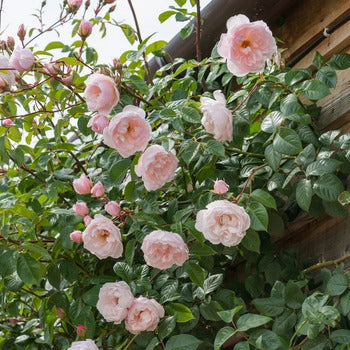
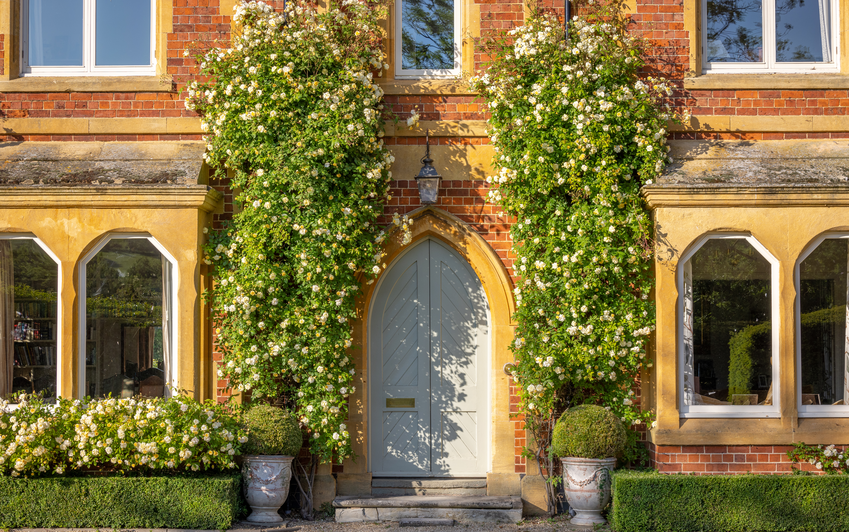
Few sights are more welcoming than a rose framing a doorway or climbing across a façade. Here, restraint and balance are especially important. Growth should enhance architectural features rather than obscure them.
Support is provided by trellis or horizontal wires. As stems develop, they can be guided outward to fill the available space evenly. Side shoots should be encouraged to avoid a sparse, top-heavy appearance.
Colour choice plays its part too. A rose may echo the tones of a door or provide a gentle contrast, each approach lending a distinct character to the entrance.
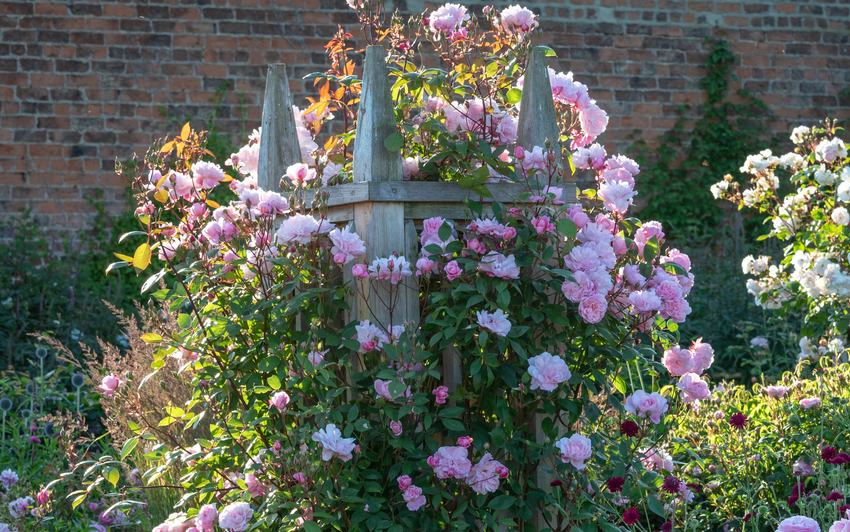
Training on Obelisks and Pillars
Vertical structures invite a slightly different approach. Rather than fanning stems outward, they are guided around the support in a loose spiral.
This technique not only secures the rose but also encourages flowering from the base upward, preventing blooms from gathering solely at the top.
Ties should be placed at regular intervals, sufficient to stabilise the stems without crowding them. Even spacing creates an elegant, ascending rhythm.
Training Over Arches
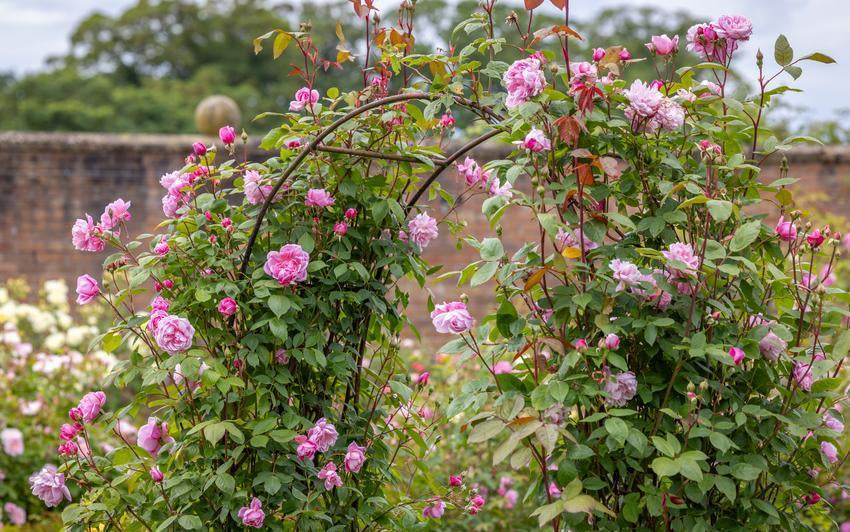
An arch transforms a pathway into an experience. To achieve even coverage, roses are typically planted on either side. Stems are guided upward first, then gradually encouraged across the top.
The objective is gentle symmetry, with growth meeting overhead. Patience is essential. A rose will take time to ascend and spread, but once established, the effect is enchanting.
Training on Pergolas
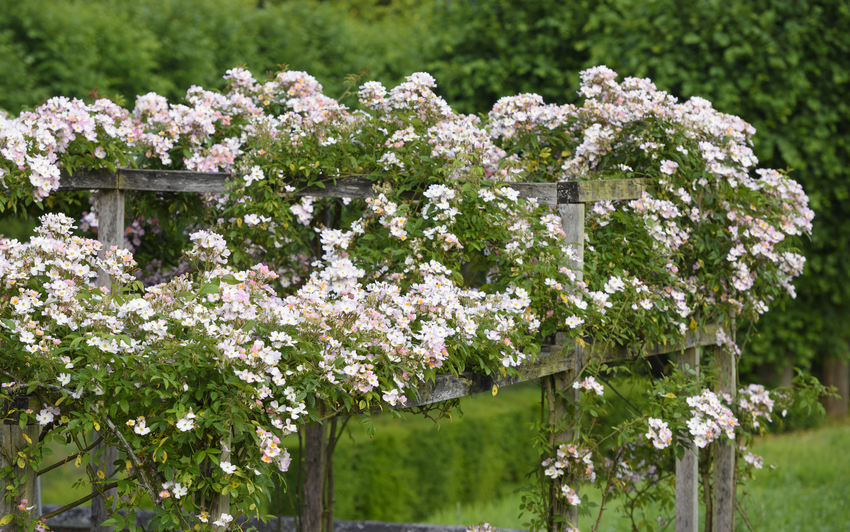
Pergolas combine vertical and horizontal training. Stems are first guided up the uprights, often in a soft spiral. Once the rose reaches the canopy, growth is redirected along the cross beams.
In time, the structure becomes a ceiling of foliage and bloom. Few garden moments rival walking beneath such a display in full flower.
Tying-In Techniques
Whichever structure you are working with, the principles remain constant. Always tie loosely, using soft materials. Avoid sharp bends or forcing stems into position. Young canes are more pliable and respond best to shaping.
Revisit ties annually. Stems thicken, supports shift, and small adjustments prevent future problems.
A Final Thought
Training a rose is a slow conversation rather than a single task. Each season offers an opportunity to refine the framework, improve balance, and anticipate the display to come.
Guide gently. Adjust patiently.
The rose will do the rest.

-
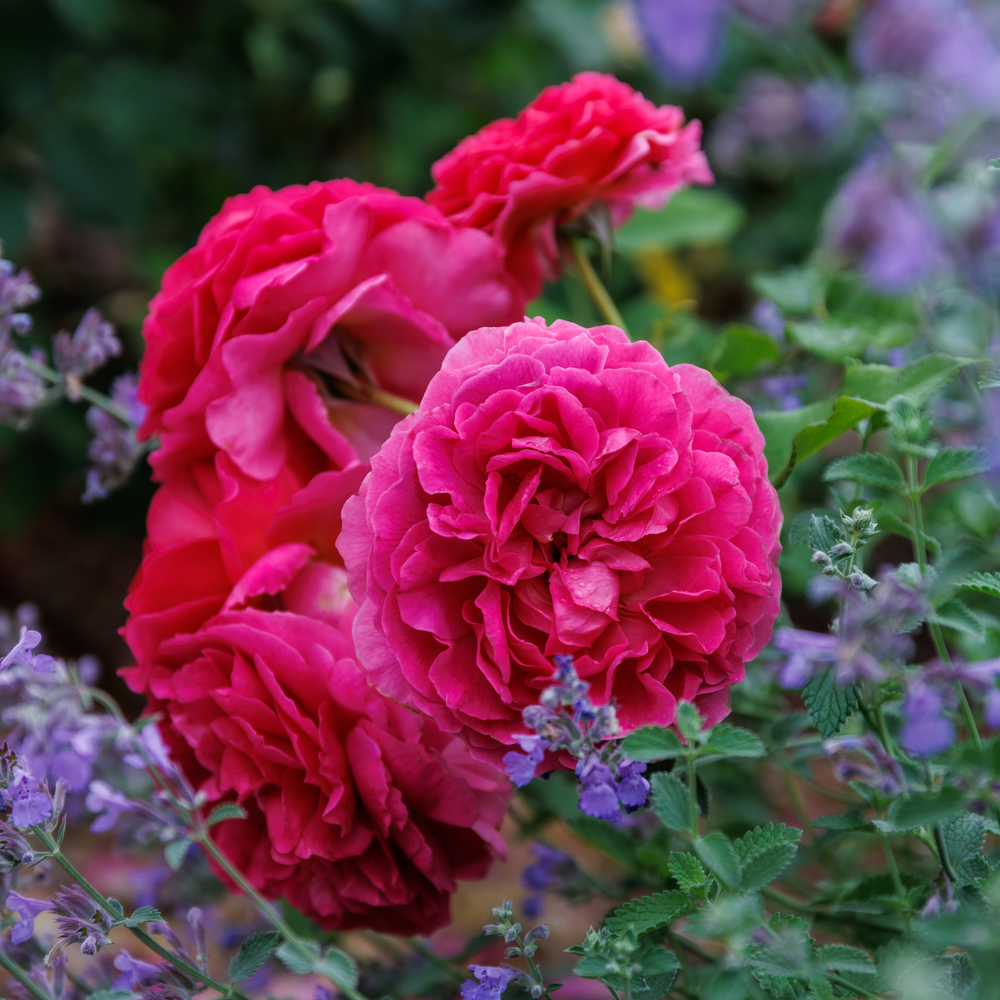
The Basics of Growing RosesRoses bring a quiet happiness to a garden. Their beauty feels effortless once they are settled, and even a new gardener can grow them with success. With sunlight, sound soil, and a little seasonal care, roses will flower generously and become dependable companions through the year.
-
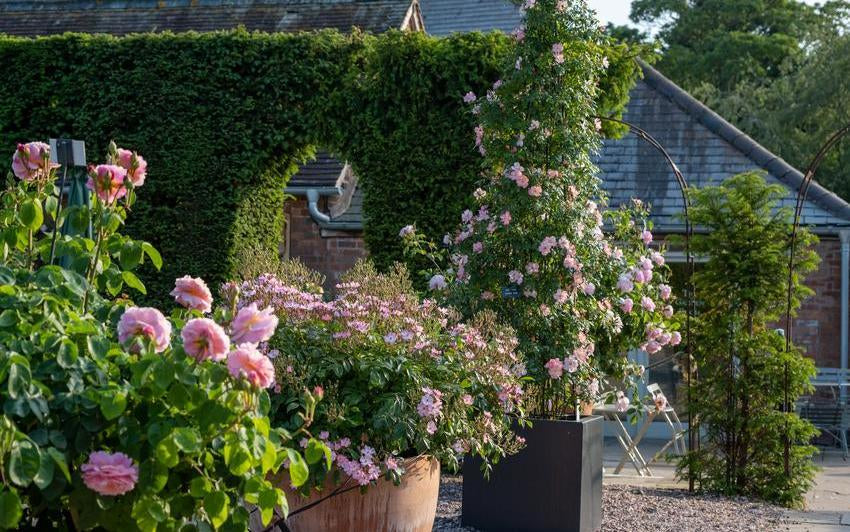
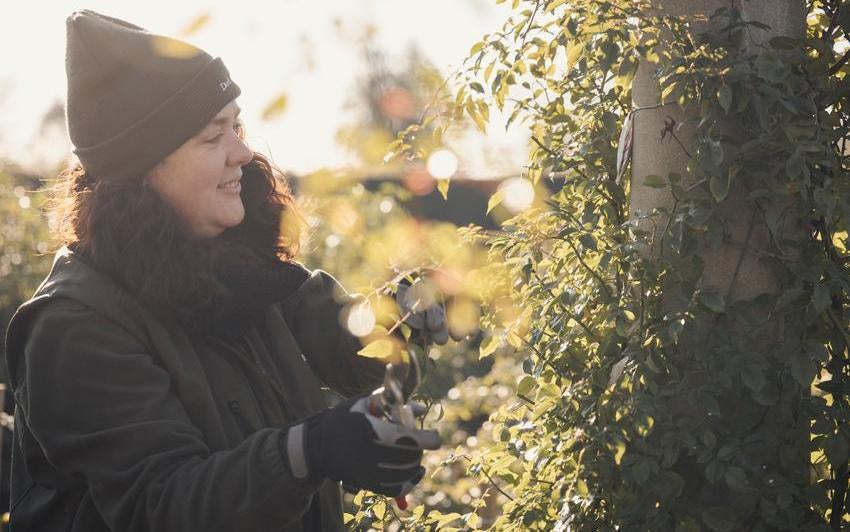
Shaping and Pruning Roses to Flower from Base to TipRoses naturally put most of their energy into the tips of their stems, which can lead to flowers mainly at the top of the plant. With the right pruning and shaping, you can encourage fresh growth and blooms all the way from the base up.
-
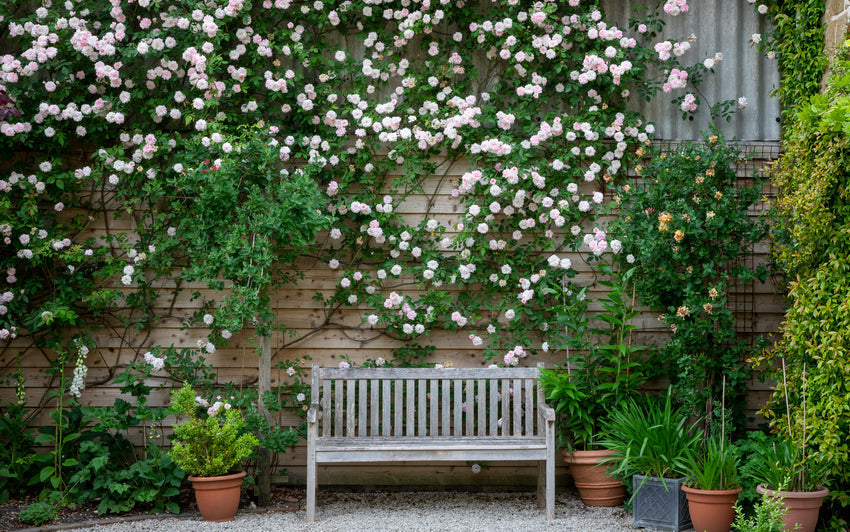
Creating A Living Wall With Climbing RosesA living wall has a way of transforming a space, turning a simple surface into a quiet theatre of petals, scent and shifting light. When English Roses form the foundation, the display becomes generous and enduring. Their repeat blooms, soft colours and naturally graceful habit bring depth and character to any vertical space, whether it is a boundary fence, a warm house wall or a tucked-away corner that needs a little life.
-
Planting Bare Root Climbing and Rambler Roses in the Ground: Step-by-StepBare root climbing and rambling roses bring both structure and romance to the garden, offering a traditional and sustainable way to cover walls, fences, and arches with abundant blooms. Planted between autumn and early spring, these roses establish naturally through the cooler months, ready to send out vigorous new shoots when warmth returns. With a little preparation and care, they will reward you for many years with graceful growth and exquisite fragrance.
-
Liquid error (snippets/image line 25): invalid url input
