

Planting Companions for Continuous Summer Interest
Every rose lover knows the feeling. Early summer arrives, and your garden transforms into a breathtaking explosion of colour and perfume. Branches heavy with blooms sway in the breeze, and for a few glorious weeks, the world feels entirely magical.
Read more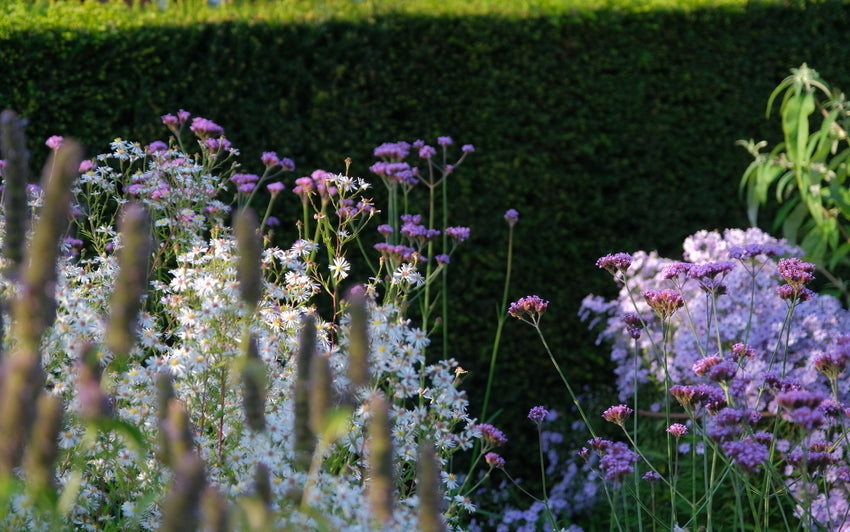
-
 Planting Companions for Continuous Summer InterestEvery rose lover knows the feeling. Early summer arrives, and your garden transforms into a breathtaking explosion of colour and perfume. Branches heavy with blooms sway in the breeze, and for a few glorious weeks, the world feels entirely magical.Read more
 -
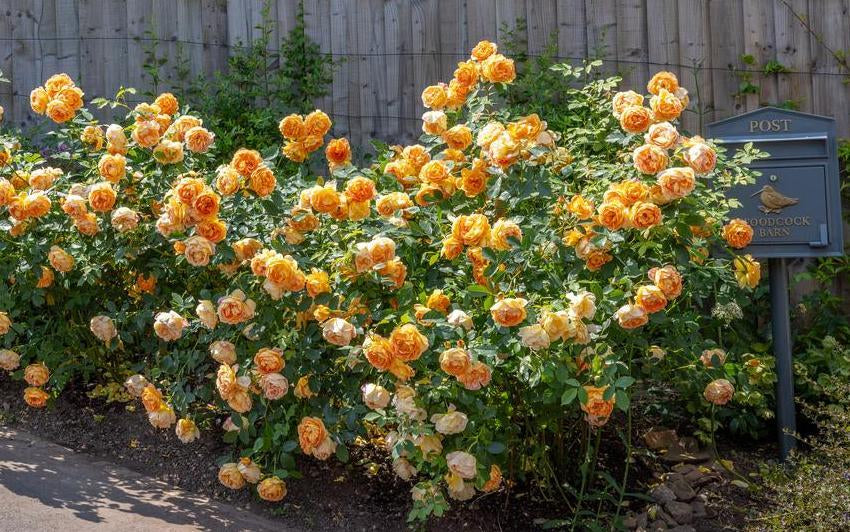 How to Design a Garden with Apricot and Orange RosesApricot and orange roses bring instant warmth to any garden design. These radiant shades bridge the gap between soft pastels and bold, dramatic colours. They capture the glowing light of late afternoon, making your outdoor space feel welcoming and alive. Whether you want a high-energy contrast or a soothing, monochromatic sanctuary, these sunset-toned blooms offer incredible versatility. They work brilliantly in traditional cottage borders, modern urban spaces, and formal courtyard displays alike.Read more
 -
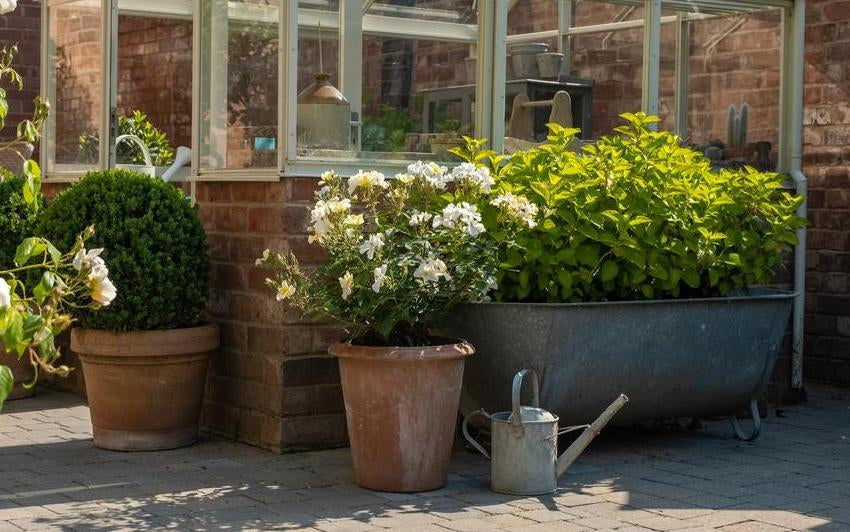 How to Create a Cottage Garden in ContainersThe romance of a cottage garden is not reserved for sweeping borders or winding country paths. With the right planting strategy, even a handful of pots can capture that signature sense of abundance. You can easily fill a patio, balcony, or doorstep with vibrant flowers, rich fragrance, and pollinator-friendly movement.Read more
 -
 Why Are My Rose Leaves Turning Yellow? How to Decode and Fix Your Plant's FoliageThere is nothing quite like the sudden panic of walking out to your garden coffee in hand and noticing your prized rose bush looks completely washed out. One day it is a picture of lush green health, and the next, a scattering of bright yellow leaves makes it look like autumn arrived early. If you are staring at your plants right now wondering what went wrong, take a deep breath.Read more
 -
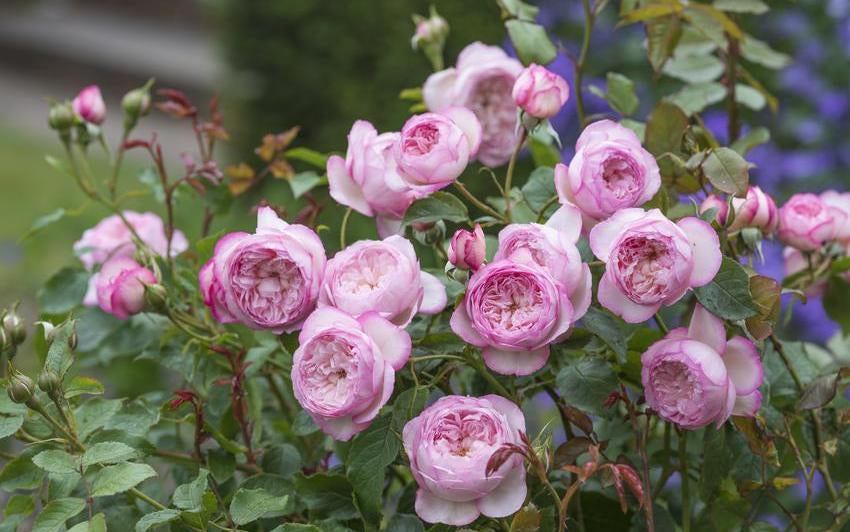 The Heart of a Romantic Border: Why Mill on the Floss Belongs in Your GardenIf you dream of a traditional cottage garden filled with soft colours, overflowing borders, and intoxicating scents, finding the perfect anchor plant is essential. The Mill on the Floss is a variety that truly deserves a place at the heart of your outdoor space. It effortlessly combines breath-taking beauty with a robust garden performance, bringing timeless charm to borders, walkways, and arches all through the flowering season.Read more
 -
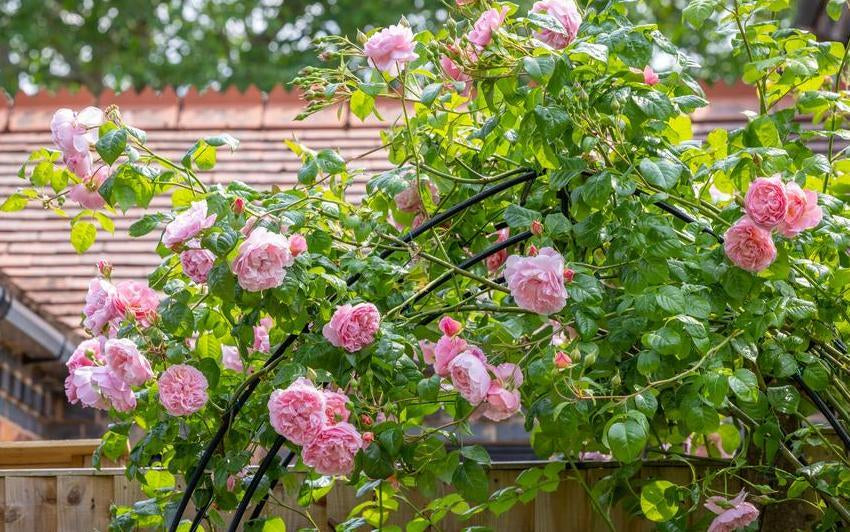 Wimbledon, Strawberries and Roses: A Celebration of the English SummerThe scent of freshly cut grass, a bowl of strawberries and cream, and roses blooming in abundance. Few things speak more eloquently of an English summer. As Wimbledon returns each year, it brings with it a familiar rhythm. Long afternoons spent outdoors, gatherings with family and friends, and gardens at their most generous. It is a season of simple pleasures, made all the more memorable by the beauty and fragrance of roses.Read more
 -
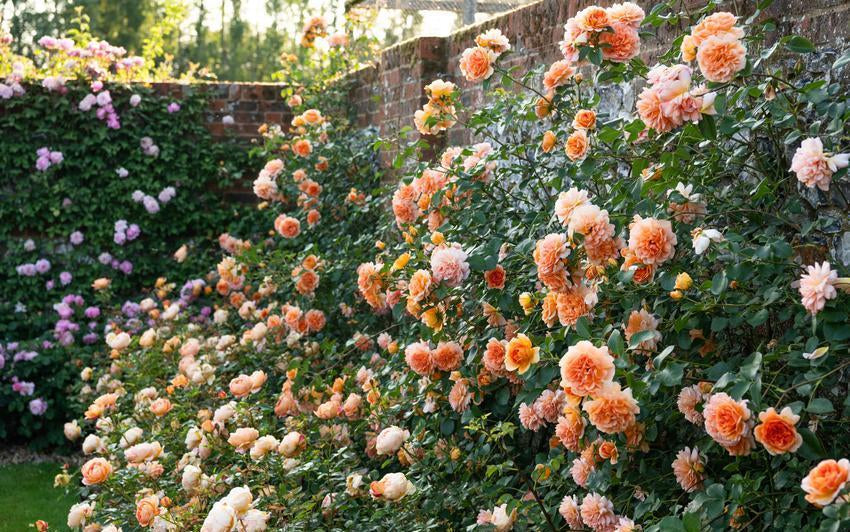 Think Beyond the Border: Growing Shrub Roses as Short ClimbersWhen choosing a rose for a garden wall, arch, or obelisk, most gardeners naturally turn to the traditional climbing section of the catalogue. Yet, the perfect vertical accent for your garden might not be a conventional climber at all.Read more
 -
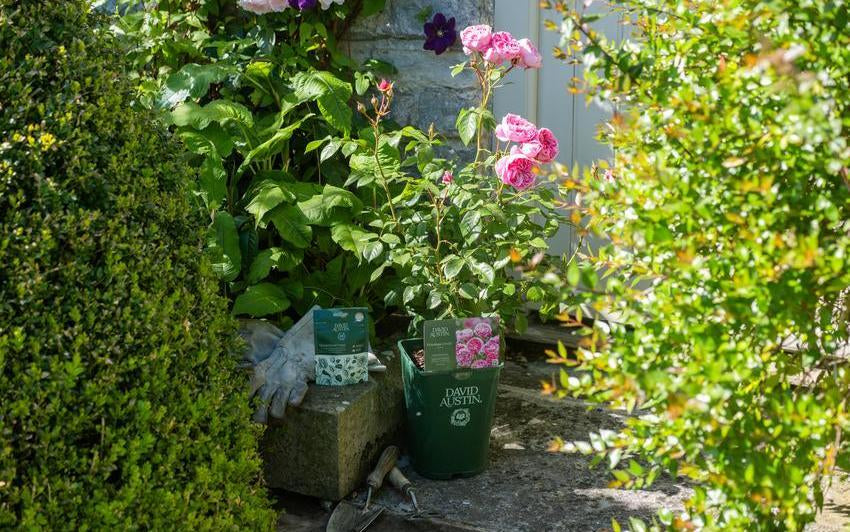 Planting Potted Roses: Step-by-Step for Gardens and PotsPotted roses offer a wonderfully flexible way to plant roses throughout much of the year. Whether you're adding a shrub rose to a mixed border, training a climber over an arch, or creating a container display for a patio, planting correctly from the outset will help your rose establish quickly and thrive for years to come.Read more
 -
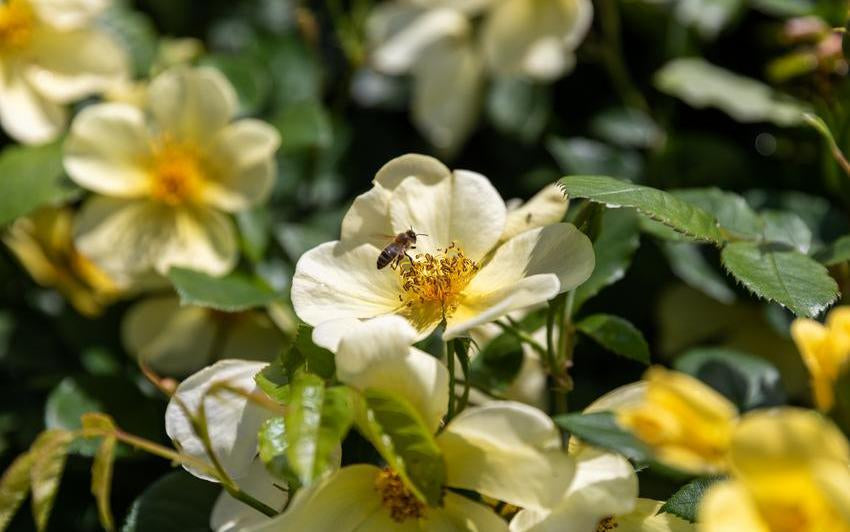 Roses to Welcome Pollinators into the GardenImagine stepping out into your garden on a warm afternoon and watching it come alive. It is not just about the gentle hum of a bumblebee; it is the delicate flutter of a butterfly, the hover-and-dart acrobatics of a hoverfly, and the busy work of tiny solitary wasps and beetles. Together, this diverse crew keeps our natural world turning.Read more
 -
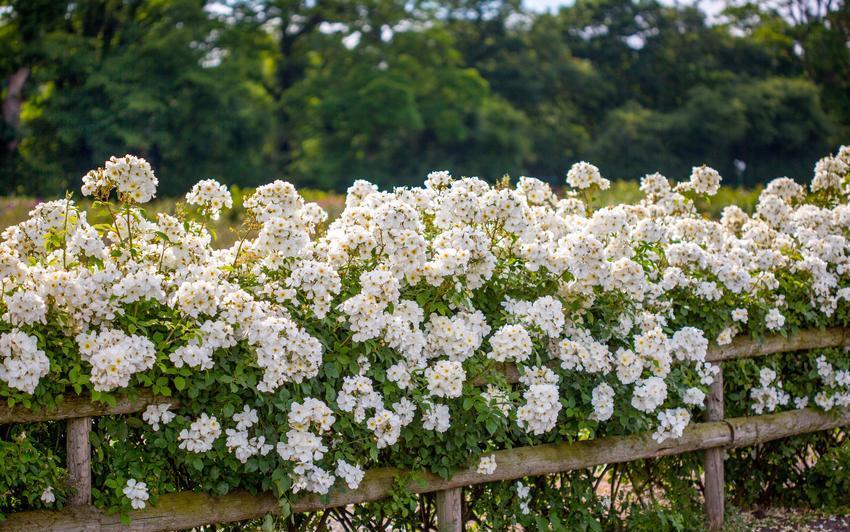 White and Cream Roses in the GardenThere is a quiet luminosity to white and cream roses. Soft yet radiant, they have a remarkable ability to lift the garden and bring a sense of calm to the planting around them. Equally at home in traditional gardens and more contemporary spaces, they offer a timeless elegance that never feels overstated. Whether woven through mixed borders, trained over old walls or planted generously in sweeping drifts, white and cream roses bring light, softness and cohesion wherever they grow.Read more
 -
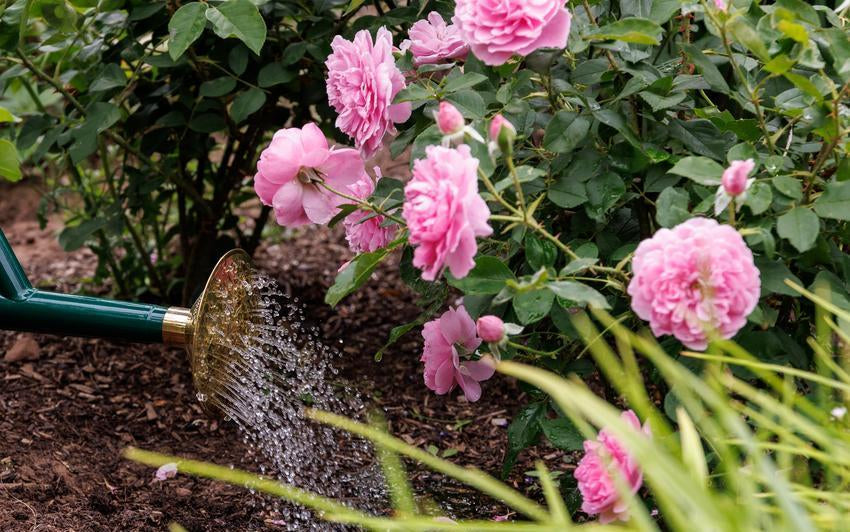 Heatwave Rose Care: Watering for Health and ResilienceSummers no longer behave as they once did. The balance of sun and rain that shaped our gardens for generations is slipping, replaced by longer dry spells and more intense heat. The soil hardens, moisture disappears quickly, and even the most established plants begin to show signs of stress. Roses, for all their grace and vigour, are no exception. But while the weather is changing, so too can we adapt our approach, caring for our plants with greater awareness and intention.Read more
 -
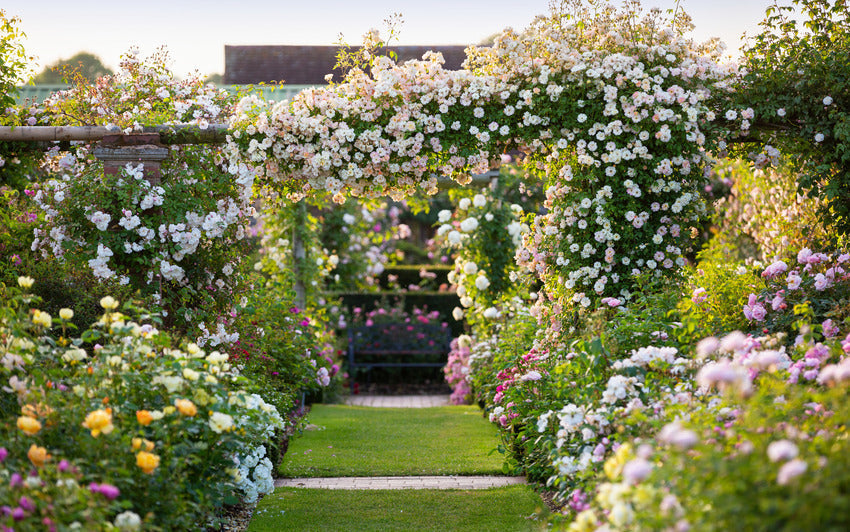 What the Longest Day Reveals About RosesThe summer solstice is often described as the longest day of the year. Yet in the rose garden, it feels like something more than that. Around 21st June, as daylight reaches its annual peak, roses seem to embody the spirit of the season. Pathways are lined with bloom, borders are filled with colour, and the air carries the unmistakable fragrance of midsummer. After months of anticipation, the garden has arrived at one of its most glorious moments.Read more
 -
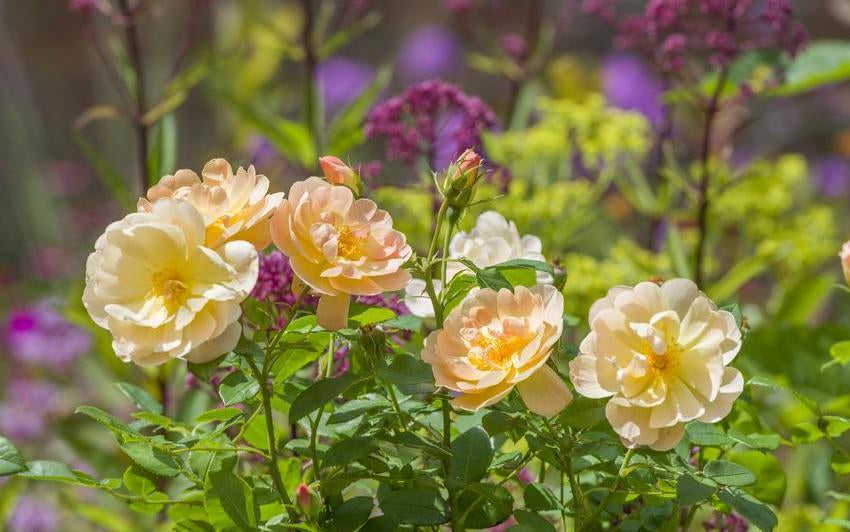 Scents of Midsummer: The Best Time to Enjoy Rose Fragrance in the GardenWalking through a rose garden and suddenly catching a beautiful scent can feel like a quiet moment of magic. Some roses seem to fill the air with perfume, while others remain nearly scentless. This difference is part of what makes rose fragrance so fascinating.Read more
